By Poljan Properties
Lighting is one of the most powerful and underestimated tools in interior design, and in Manhattan, where homes often face specific spatial and architectural constraints, getting your lighting right can change the way you experience your space. The way you layer and position light shapes everything from tone and ambiance to perceived square footage. It is not just a finishing touch; it is a fundamental design decision.
In a setting where natural light is precious and floor plans can be compact, artificial lighting takes on an elevated role. A dark home can feel smaller and more closed-off than it actually is, while a well-lit space opens up, breathes, and invites you in. Manhattan residents tend to be discerning about their interiors, and lighting is increasingly where that discernment pays off. The right fixtures, the right placement, and the right warmth level can make a space feel curated and expansive rather than cramped.
This guide walks you through the principles and practical approaches to transforming your living space through lighting. From understanding layered light to working with the borough’s unique architecture, these strategies will help you get more out of every room.
Key Takeaways
- Layering ambient, task, and accent lighting creates depth and versatility in any Manhattan home.
- Warm-toned bulbs (2700K–3000K) make interiors feel more inviting, especially in high-rise buildings with limited natural light.
- Dimmers are one of the most cost-effective upgrades you can make to an existing space.
- Tall, vertical lighting elements draw the eye upward and make rooms with standard ceiling heights feel larger.
- Pre-war homes and modern condos each call for distinct lighting approaches that complement their architectural character.
Understanding the Three Layers of Light
Before making any purchasing decisions or rearranging fixtures, it helps to understand how professional designers think about illumination. The concept of layered lighting divides a room's light sources into three functional categories: ambient, task, and accent. Each layer serves a different purpose, and when all three are present, a room achieves the kind of rich, dimensional look you see in high-end interiors.
Ambient lighting is the base layer, the general illumination that allows you to move through a space comfortably. In Manhattan homes, this often comes from overhead fixtures, recessed lighting, or flush-mount ceiling lights. On its own, ambient light tends to feel flat and institutional. It is a starting point, not a destination.
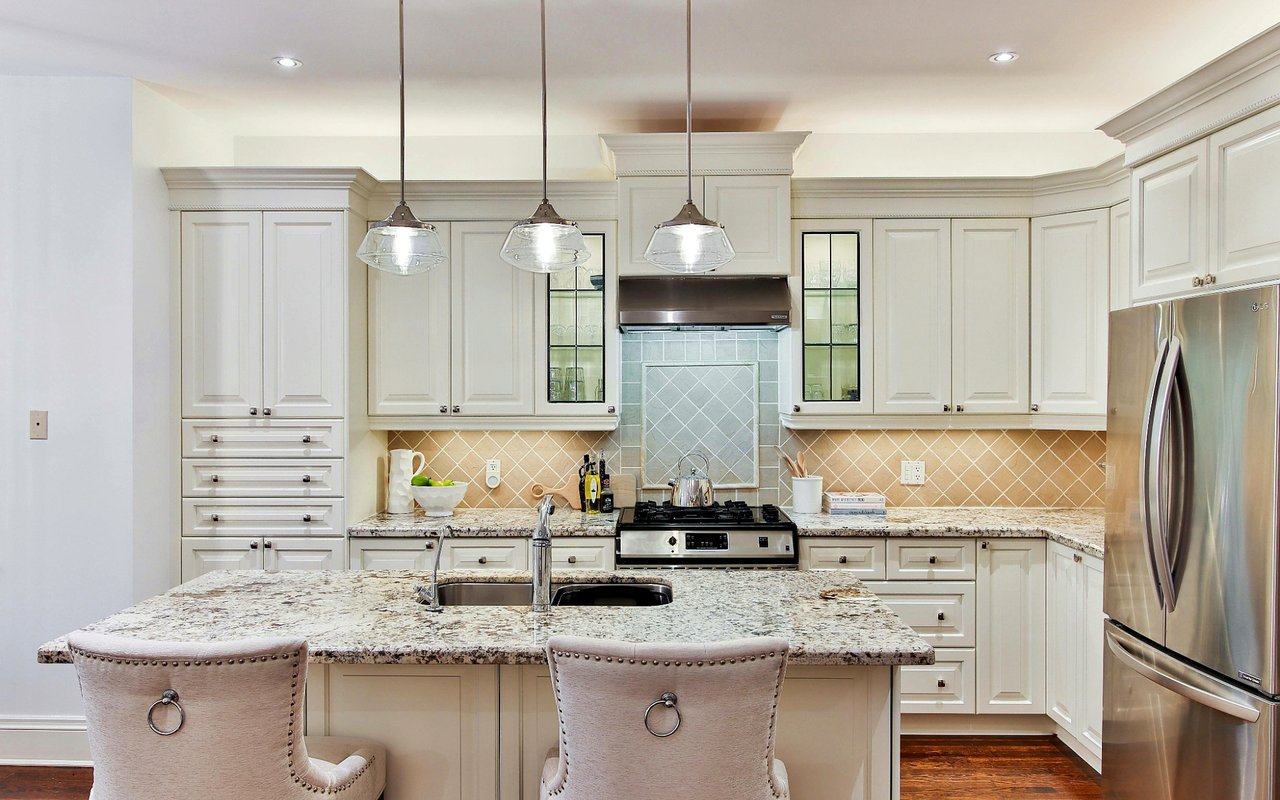
Task lighting focuses on specific functional areas where you need more directed light, such as a reading nook, a kitchen counter, or a home office desk. In homes where rooms often serve multiple purposes simultaneously, task lighting becomes especially important for carving out distinct zones within a single space. Accent lighting, the third layer, is purely atmospheric. It draws attention to artwork, architectural details, or textural surfaces, adding visual interest and a sense of intention to a room.
Questions to Ask Before You Layer
- Does the room have enough ambient light to feel comfortable without feeling harsh?
- Which areas require focused, task-specific illumination for how you actually use the space?
- Are there architectural features or objects worth showcasing with accent light?
- Does the current lighting configuration make the room feel smaller or larger than it is?
- Can any existing fixtures be put on dimmers to create more versatility?
Working With Manhattan's Unique Architecture
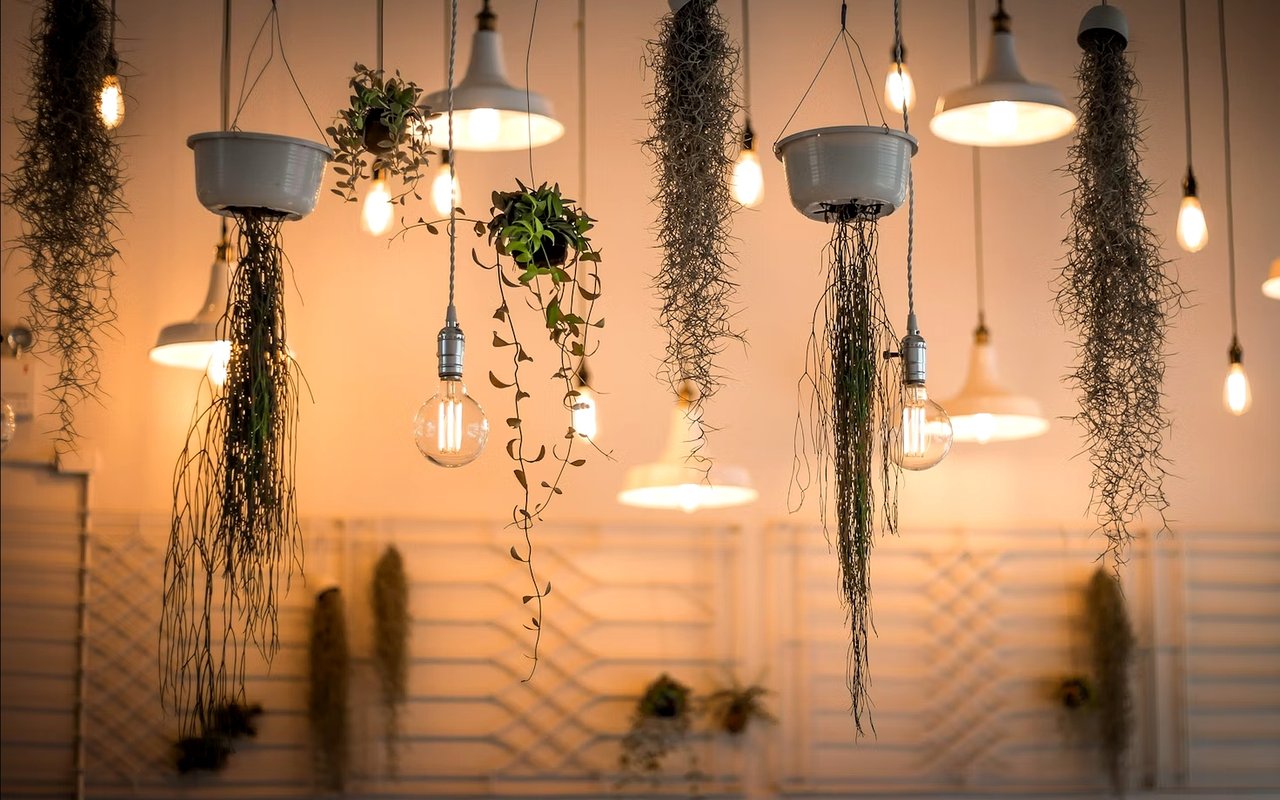
Manhattan’s homes span an enormous range of architectural styles, and each presents its own lighting opportunities and challenges. Pre-war residences are known for their high ceilings, plaster moldings, and generous room proportions. These spaces respond well to pendant lighting, chandeliers, and sconces that honor their period character without feeling dated.
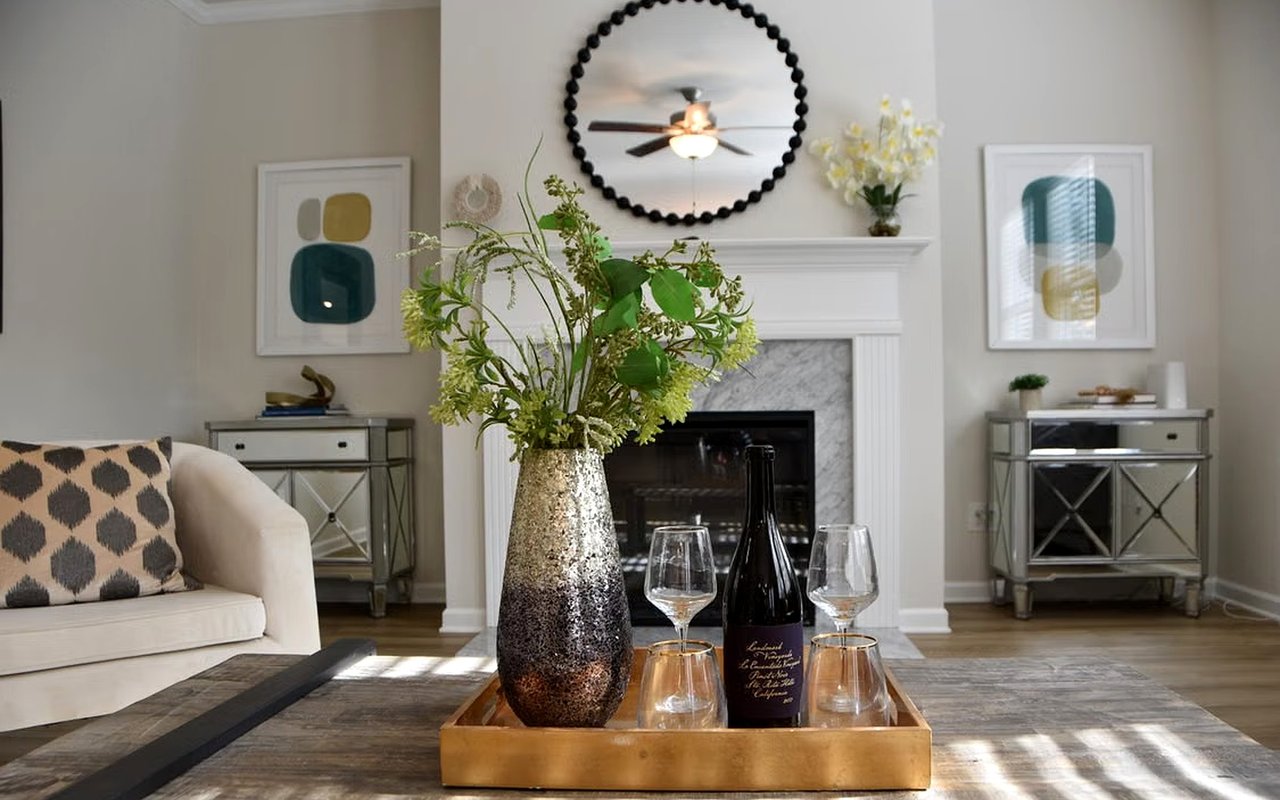
In these older buildings, the bones are the asset. Lighting in pre-war homes should emphasize what is already there. A well-placed chandelier in a formal dining room or an arched entry hall draws the eye upward and reinforces the grandeur of the architecture. Wall sconces flanking a fireplace or mirrored alcove add symmetry and warmth. Even in pre-war spaces that have been modernized, lighting with classic silhouettes in updated finishes, such as matte black or unlacquered brass, reads as sophisticated rather than period-specific.
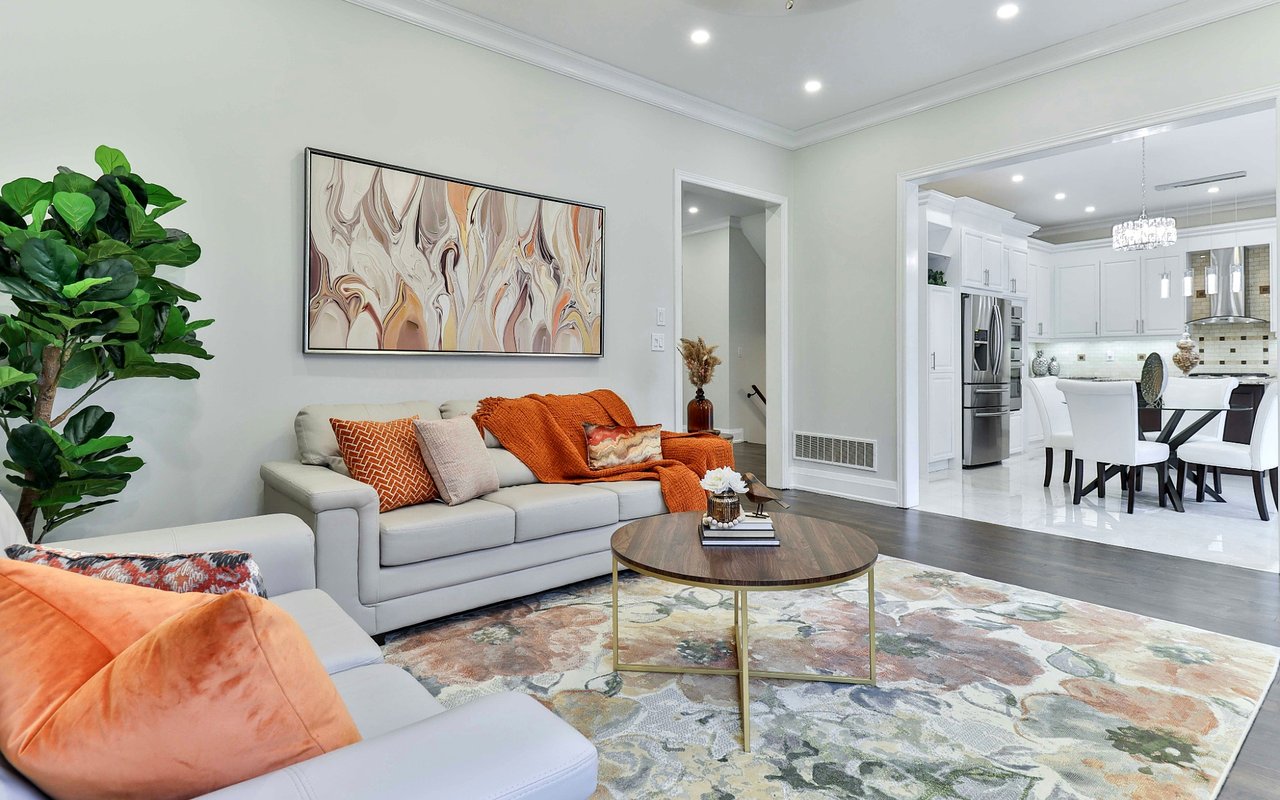
Post-war and contemporary Manhattan condos, especially those in newer towers, present a different set of conditions. Ceiling heights can be more modest, and the floor plans tend toward open-concept layouts where rooms flow into one another. Here, lighting must work harder to define zones and create moments of warmth without the benefit of architectural detail. Recessed lighting with adjustable trim, under-cabinet illumination in kitchens, and freestanding floor lamps in living areas are all workhorses in this type of home.
Fixture Styles That Work in NYC Homes
- Drum pendants in neutral linen or metal complement both pre-war and contemporary interiors without overwhelming either.
- Arc floor lamps extend over seating areas to provide reading light without requiring a table.
- LED strip lighting tucked behind crown molding or under floating shelves creates a soft wash of indirect light.
- Adjustable track lighting suits open-plan spaces where you need flexibility to redirect light as the room's function shifts.
Using Lighting to Make Small Spaces Feel Larger
Square footage in Manhattan real estate comes at a premium, and lighting is one of the most effective non-structural strategies for making a space feel more generous than its measurements suggest. The principle is straightforward: light draws the eye, and where the eye travels determines how spacious a room feels. Lighting the perimeter of a room rather than the center pushes visual attention outward, expanding the perceived boundaries of the space.
Vertical light sources are particularly effective in homes with standard eight- or nine-foot ceilings. A tall torchière lamp that washes the ceiling with uplight creates the illusion of height. Picture lights above artwork, mounted at eye level or higher, pull attention up the wall and keep the eye moving. In narrow rooms, lighting both short walls with sconces or picture lights creates a visual depth that counteracts the tunnel effect.
Mirrors, when paired thoughtfully with light sources, double the impact. A large mirror positioned to reflect a window or a well-placed lamp brings more light into a room and increases the sense of volume. In Manhattan studios or one-bedroom homes where a single room must function as living room, bedroom, and workspace, this combination of reflective surfaces and layered light can be transformative.
Techniques for Maximizing Light in Compact Homes
- Place floor lamps in corners to fill dead zones and push light toward the perimeter.
- Use light-colored lampshades to diffuse rather than concentrate light, spreading it more evenly through a room.
- Avoid a single overhead fixture as the only light source in a room; supplement it with at least two additional sources.
- Install dimmers wherever possible so you can adjust the intensity throughout the day and for different uses.
- Consider lighting the ceiling in smaller rooms using upward-facing fixtures; a bright ceiling raises the perceived height of the space.
FAQs
How Do I Improve Lighting in a Manhattan Home Without Rewiring?
The good news is that most lighting upgrades do not require any electrical work. Plug-in sconces, floor lamps, table lamps, and LED strip lights all connect to standard outlets and can dramatically transform how a room feels. Swapping out bulbs for warm-toned LEDs is the single easiest and most impactful change you can make, and adding plug-in dimmer adapters to existing lamps provides even more control.
What Is the Best Lighting for a Manhattan Studio?
In a studio, layering is especially important because a single room must feel like multiple zones. Aim for at least four to five light sources at different heights, including a floor lamp, a table lamp, overhead ambient light, and task light near your workspace. Using dimmers wherever possible allows the same room to transition from a functional daytime space to a more atmospheric evening environment without requiring any structural changes.
Is Warm or Cool Light Better for Manhattan High-Rise Homes?
Warm light (2700K–3000K) is almost always more flattering and livable in residential spaces, regardless of the building type. High-rise homes often have significant ambient light from city glow at night, and warm interior lighting creates a cozy contrast to the cool blue of the skyline. In homes with south- or west-facing windows, warm bulbs complement the natural daylight during the day and maintain visual continuity after dark.
Let the Light Do the Work
Lighting in a Manhattan home is less about filling a room with brightness and more about understanding how light shapes experience. A well-considered lighting plan makes the architecture feel intentional, the space feel more inviting, and the atmosphere feel exactly right for however you want to live.
At
Poljan Properties, our team is here to help you find a Manhattan home with the space, the light, and the layout that fits how you live. Reach out to us to start the conversation.