What Living in West Village NYC Is Really Like
May 21, 2026
May 21, 2026
If you picture Manhattan as all glass towers and fast-moving blocks, the West Village quickly changes that idea. This is a neighborhood where daily life feels more personal, more walkable, and more rooted in the street itself. If you are wondering what it is actually like to live here, this guide will walk you through the pace, look, and routines that shape everyday life in the West Village. Let’s dive in.
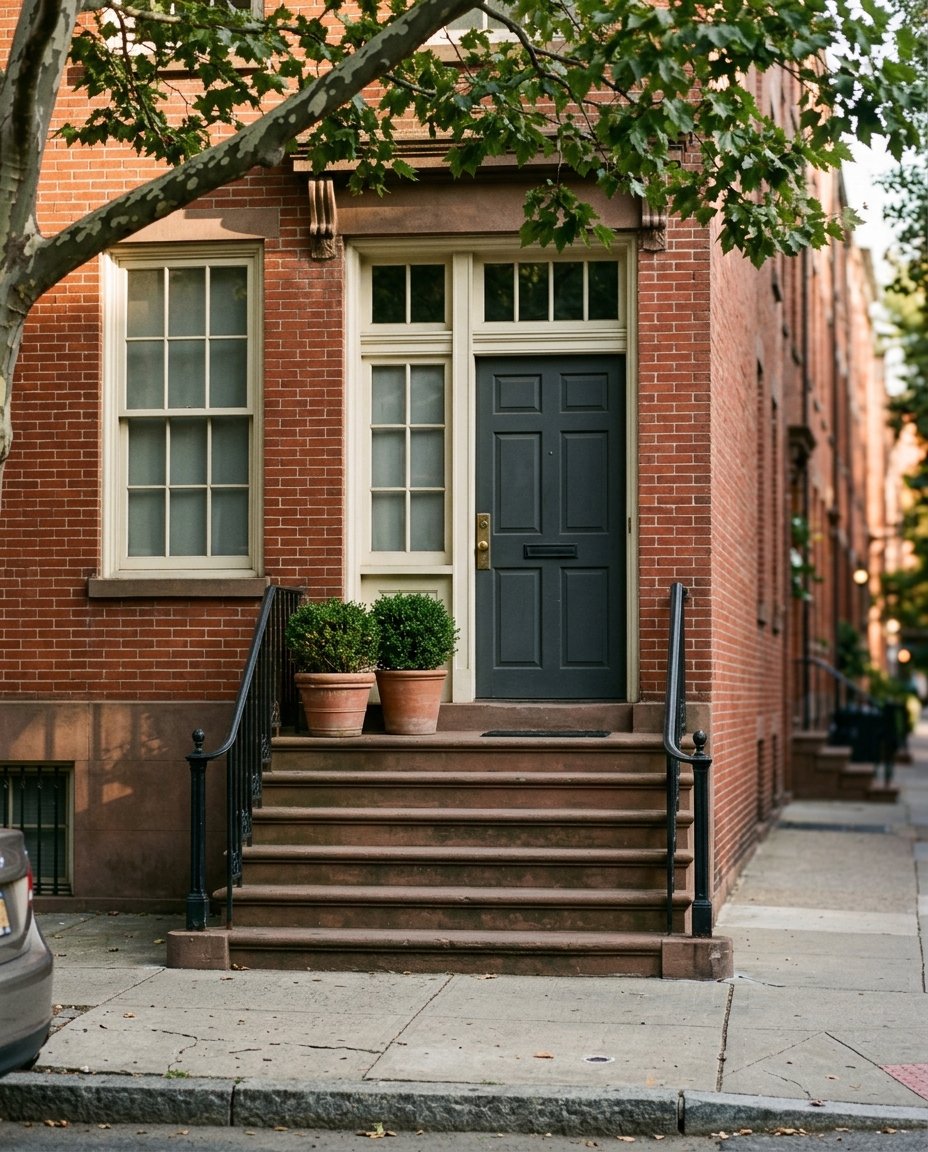
The West Village stands out as a low-rise, historic, mixed-use neighborhood with one of the most distinct street rhythms in Manhattan. Official landmark reports describe it as one of Manhattan’s oldest sections, known for tree-lined streets, a human scale, and an irregular street pattern. That combination gives the area a sense of texture and variety that can feel very different from more uniform parts of the city.
In practical terms, everyday life here often centers on walking rather than rushing. You move between homes, shops, cafés, and public spaces block by block, and the experience changes as the streets bend, narrow, or open onto a small corner. The result is a neighborhood that feels intimate without feeling sleepy.
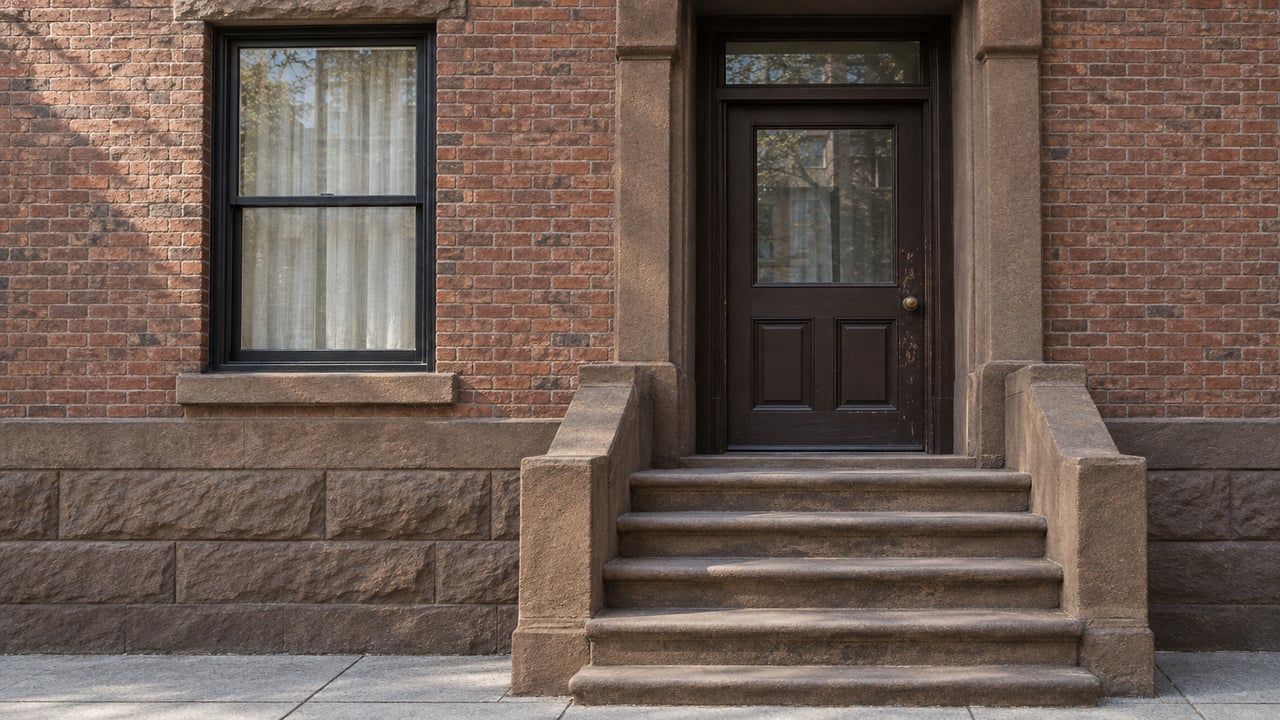
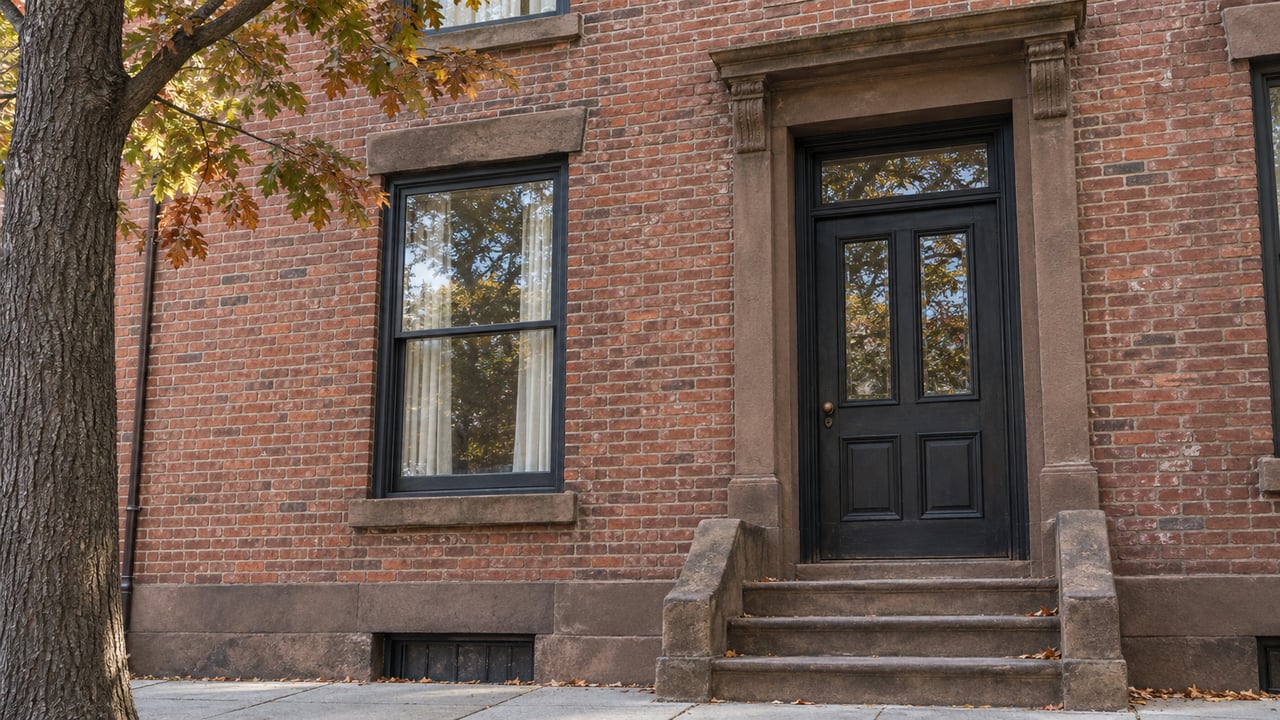
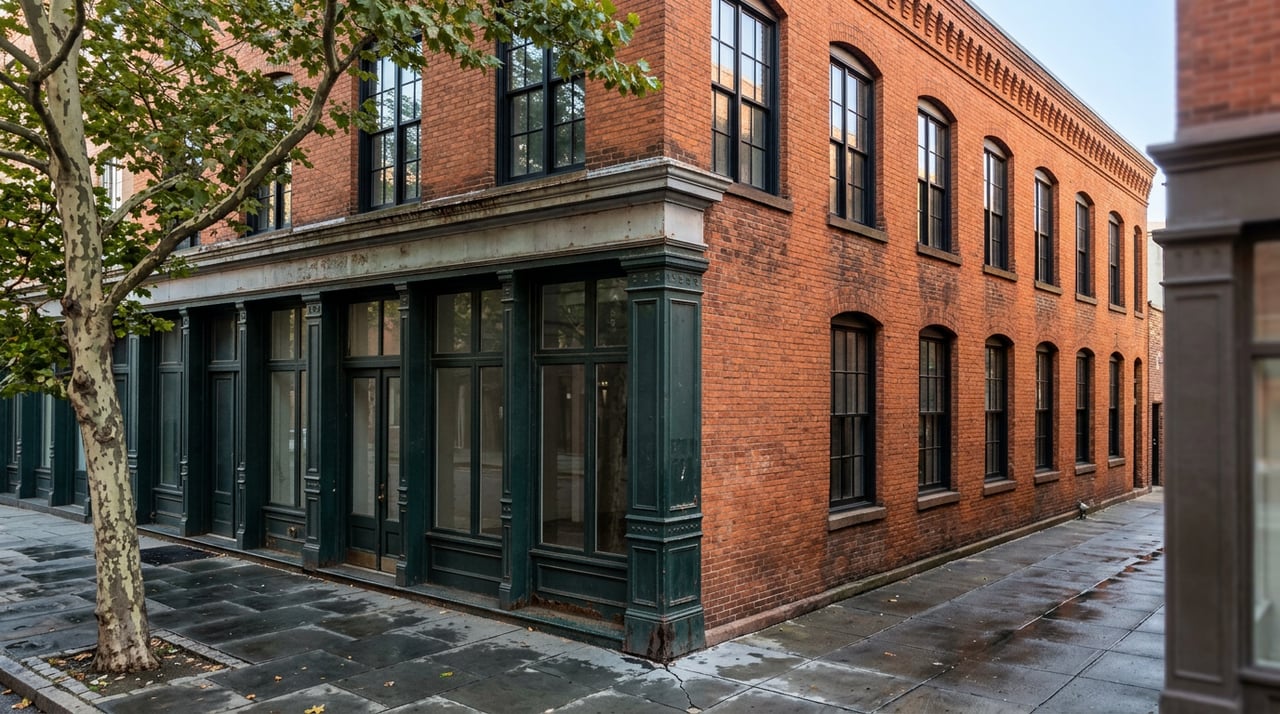
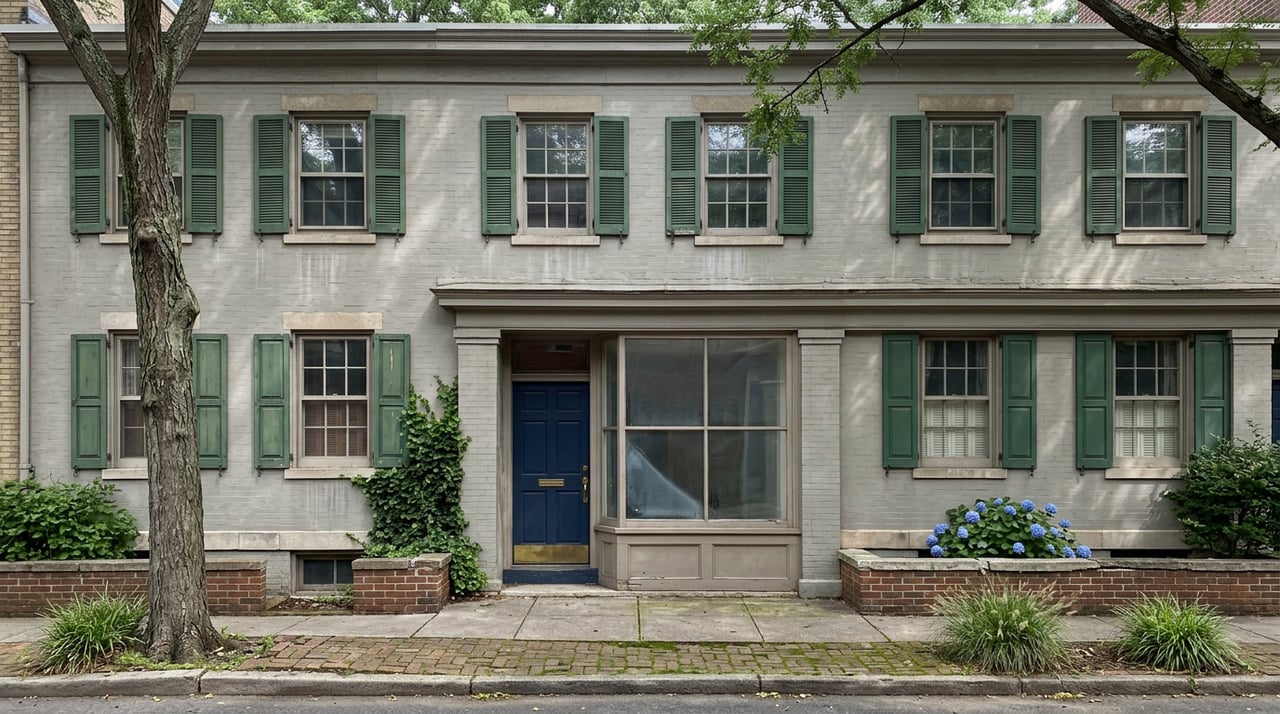
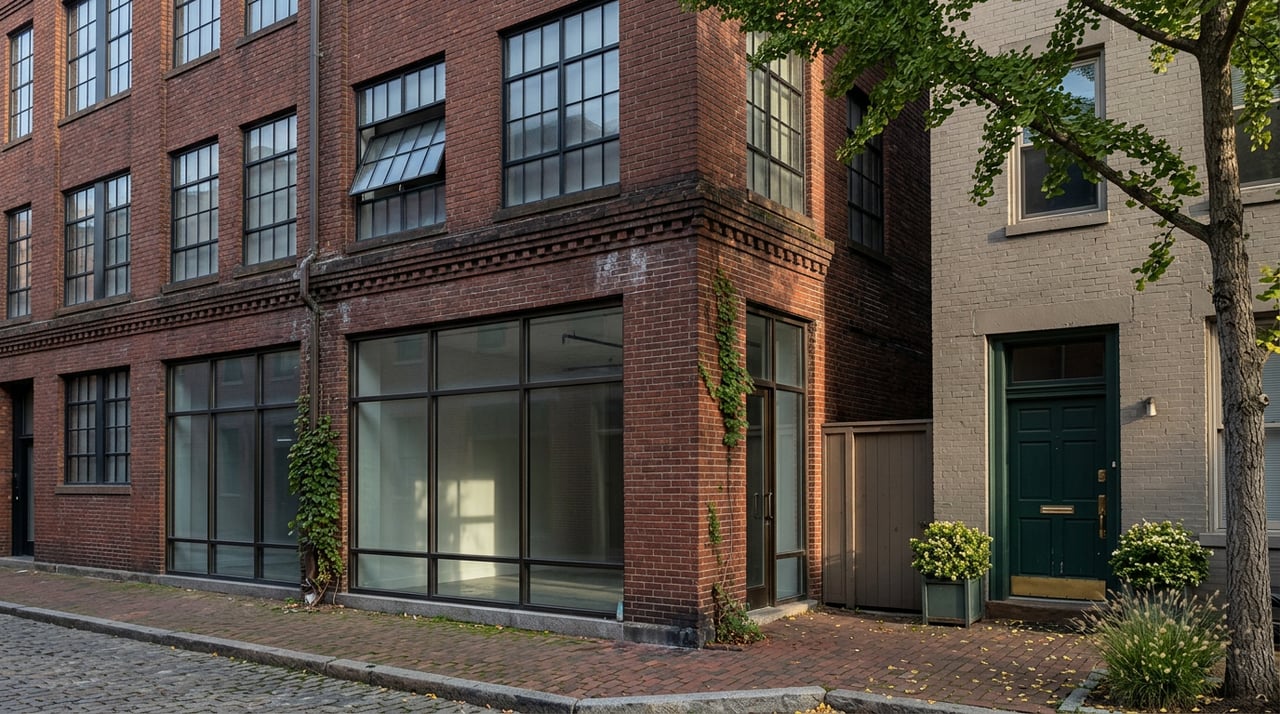
One of the biggest draws of the West Village is the built environment itself. Greenwich Village landmark reports note that this area contains the greatest concentration of early New York residential architecture in the five boroughs, with major early styles appearing side by side. You see that layered history in the brick, brownstone, and low-rise rows that define so many blocks.
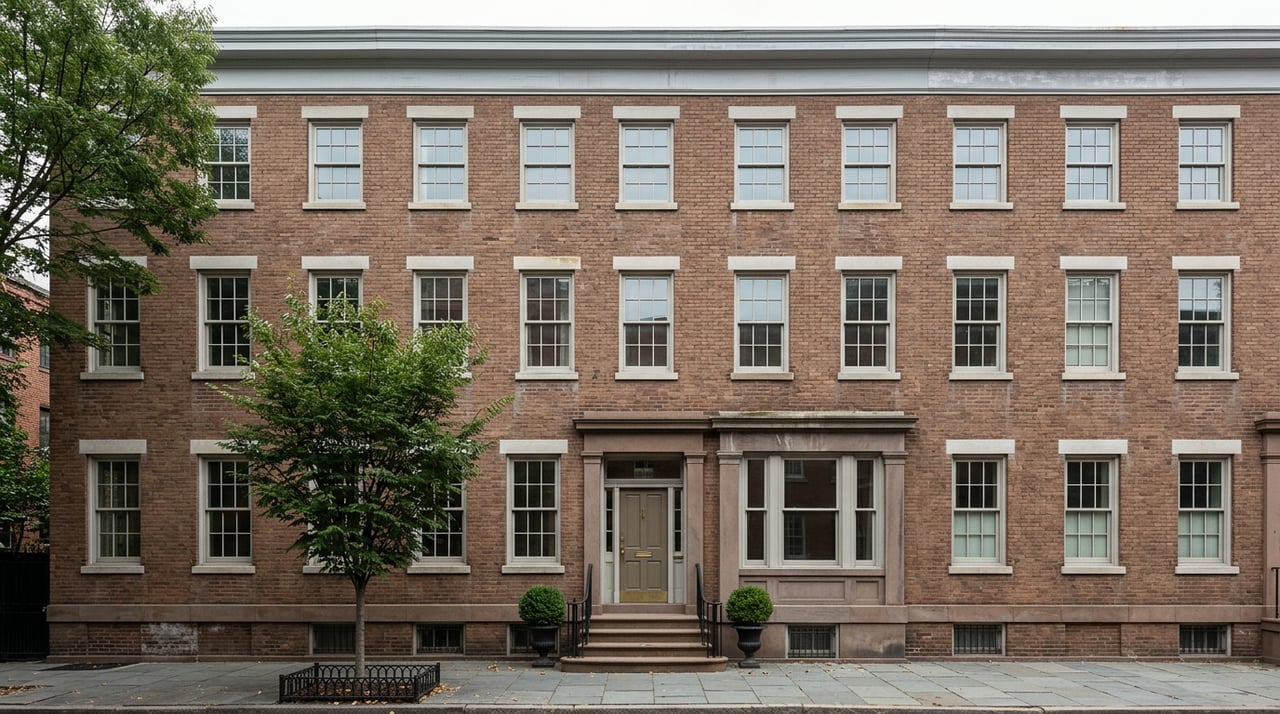
The architecture includes Federal, Greek Revival, Italianate, French Second Empire, Neo-Grec, and Queen Anne styles. Reports on the West Village extension also document rowhouses, carriage and stable houses, tenements, apartment buildings, and French flats, along with homes that were later converted into multiple dwellings. For you as a resident or buyer, that means the housing stock is varied, established, and visually rich.
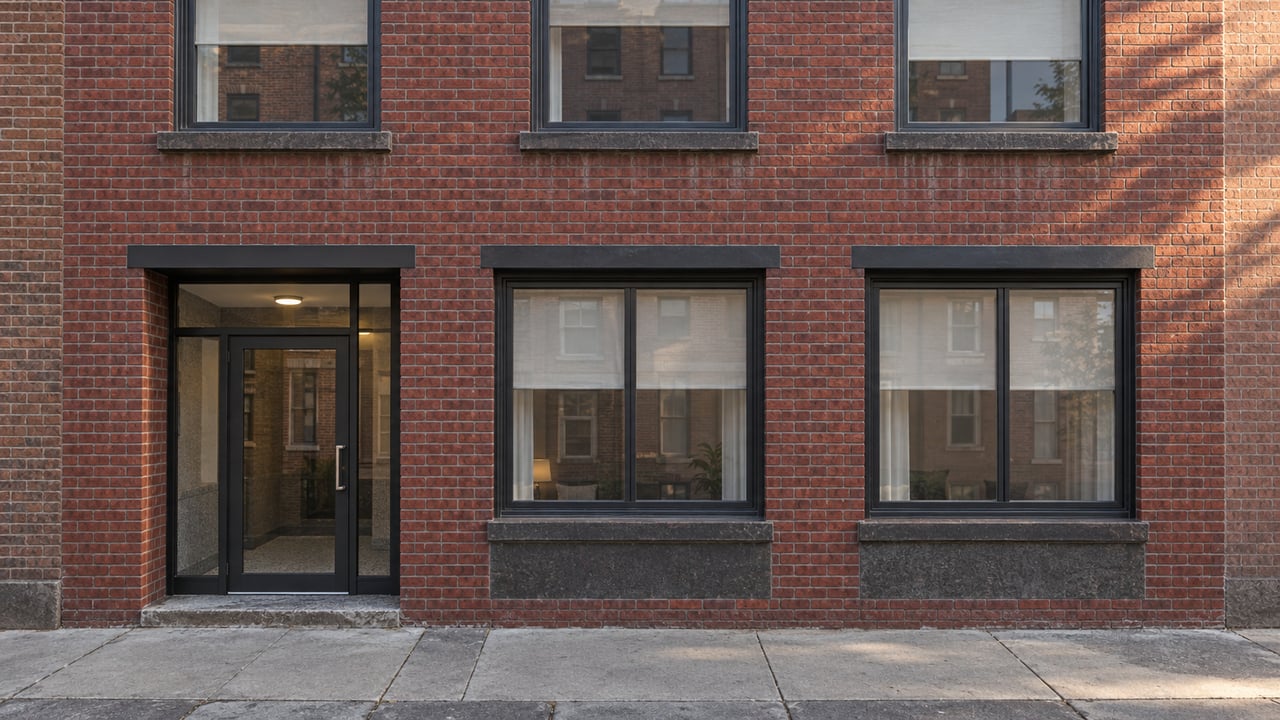
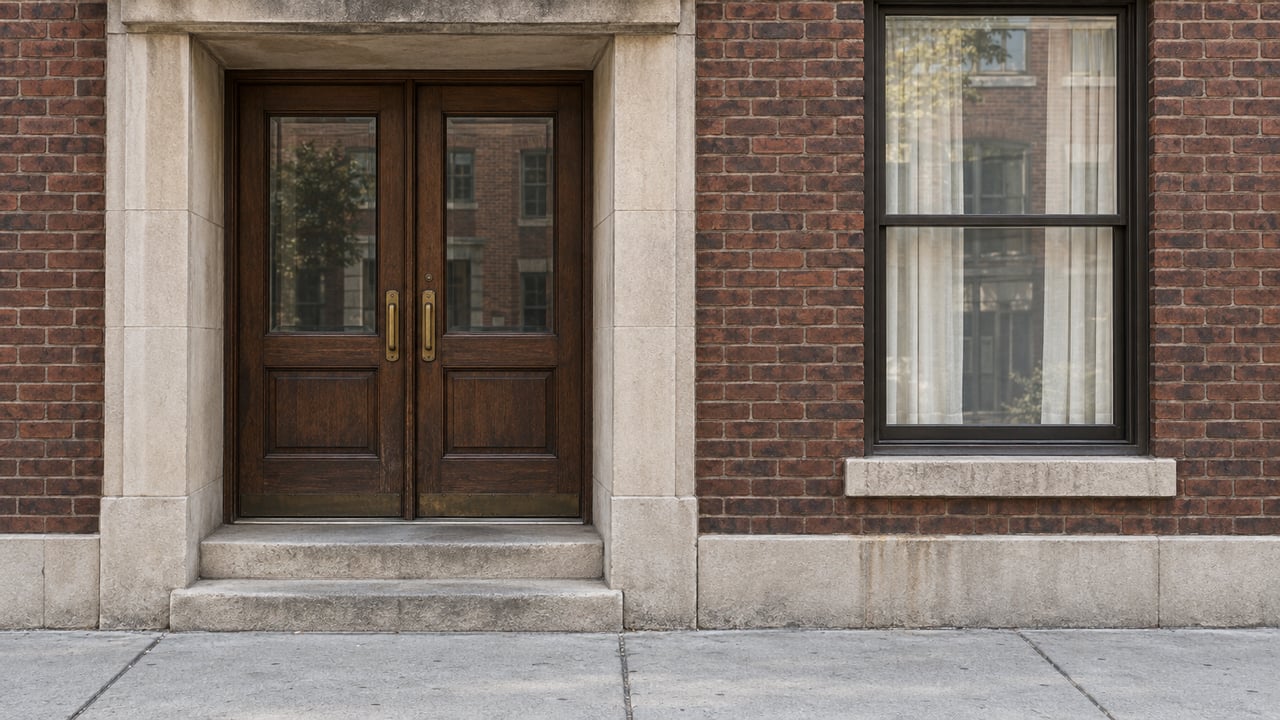
This is not a neighborhood defined by a modern high-rise feel. Instead, the area is known for classic townhouses, older apartments, and walk-up-style residences, based on the building types documented in city reports. That older building mix can create a more distinctive home search, with layouts and features that often vary from one address to the next.
Part of the West Village’s charm comes from the street grid itself. Unlike more predictable parts of Manhattan, some streets here follow an older, less regular pattern. City planning materials also note that 7th Avenue South was cut diagonally through the older grid, creating angled intersections and triangular corner properties.
As you move through the neighborhood, that irregularity creates small surprises. A block may shift direction, widen into a corner, or reveal a storefront you would not have noticed from a distance. That block-by-block variety is a major part of everyday life here.
The West Village is not just scenic. It is also a highly functional everyday neighborhood. The current West Village Business Improvement District centers on 7th Avenue South, Bleecker Street, Christopher Street, West 4th Street, and nearby blocks, with much of the district made up of commercial or mixed-use buildings that place retail at street level and residences above.
That mixed-use pattern matters in daily life. It means your coffee stop, dinner option, deli run, or quick errand may be just a short walk from home. Instead of relying on large retail centers, the neighborhood experience is shaped by storefronts, corner businesses, and familiar local stops.
The district plan also shows how food and drink help define the area. Nearly 45 percent of commercial square footage is used for restaurants, cafés, delis, bars, and related uses. So when people talk about West Village living, they are often talking about the ease of stepping out for coffee, meeting friends for a casual meal, or returning to the same neighborhood spots throughout the week.
The West Village BID was formally established in 2022, and its district priorities include sanitation, beautification, security and public safety, community engagement, economic development, and advocacy. Those behind-the-scenes services help support the streetscape people experience day to day.
For residents, that can translate into a neighborhood that feels cared for and active. While you may not think about BID operations during a morning walk, those services contribute to how commercial corridors function and how welcoming they feel.
A major advantage of West Village life is easy access to Hudson River Park. According to the park, the Greenwich Village section was its first completed section and includes an uninterrupted esplanade, views of Lower Manhattan and New York Harbor, lawns for picnics and sunbathing, Pier 45’s large green lawn, Pier 46’s tree-lined retreat, a dog park on Leroy Street, compost drop-off sites, and outdoor dining at Drift In.
That kind of waterfront access adds another layer to everyday living. Your routine can include a walk along the river, time outside with a dog, or a simple break on the lawn when the weather is good. In a dense city, that connection to open space can make a real difference in how a neighborhood feels over time.
Hudson River Park also reports more than 17 million visits annually across its full length, which speaks to its importance as a citywide destination. But for nearby residents, its value is often more personal. It becomes part of the weekly rhythm rather than a special occasion.
The West Village also has public spaces that carry real historical and cultural significance. The National Park Service describes Stonewall National Monument as a 7.7-acre site in Greenwich Village that includes the Stonewall Inn, Christopher Park, and surrounding streets. Christopher Park, in particular, has long been central to the neighborhood and remains a gathering place for marches and Pride events.
The park also serves a practical role in daily neighborhood life. The National Park Service notes that Christopher Park is one of the few public open spaces serving Greenwich Village west of 6th Avenue. That makes it not just symbolically important, but useful as a shared outdoor space woven into the local street network.
NYC continues to publicly recognize the neighborhood’s LGBTQ+ history, including the 2025 Gay Street sign release from the Department of Transportation. For many residents, that visible civic recognition is part of what makes the West Village feel culturally grounded and distinct.
Even with its winding streets and intimate scale, the neighborhood is well served by transit. The National Park Service lists subway access to Christopher Park via the 1 train at Christopher Street-Sheridan Square, along with bus access via the M8 and M20.
That combination supports a lifestyle where much of your daily routine can happen on foot, while still keeping the rest of Manhattan accessible. In other words, the West Village can feel tucked in without feeling cut off.
For many people, the appeal of the West Village comes down to rhythm. This is a neighborhood where walking, lingering, and revisiting favorite places can be part of daily life. The combination of historic character, small-scale commerce, and waterfront access creates a residential experience that feels more personal than standardized.
That said, the neighborhood’s older building stock can come with tradeoffs. Based on the documented mix of low-rise and older residential buildings, homes here may more often have smaller footprints or more stairs than you would find in newer large-building environments. That is not true in every case, but it is a useful general expectation when exploring the area.
If you are considering a move, it helps to think beyond square footage alone. In the West Village, a lot of value comes from the setting itself: the architecture, the block pattern, the storefront life, and the access to parks and the waterfront. For the right buyer, that daily experience is the point.
If you want help understanding how West Village lifestyle, housing stock, and market fit line up with your goals, Poljan Properties offers thoughtful, neighborhood-focused guidance with the discretion and personal attention of a boutique brokerage.
Stay up to date on the latest real estate trends.
Poljan Properties was founded in 2012 with a passion to provide New Yorkers and newcomers with exceptional personalized service, advice, and uncompromised loyalty. We work tirelessly for the best outcomes for our clients and do so with the greatest integrity and kindness.