A Buyer’s Guide to Fort Greene Brooklyn Living
June 4, 2026
June 4, 2026
If you want classic Brooklyn character without giving up strong transit and everyday convenience, Fort Greene deserves a close look. For many buyers, the challenge is figuring out whether the neighborhood’s brownstones, apartments, park access, and cultural energy actually match the way you want to live. This guide will help you understand what Fort Greene feels like, what kinds of homes you’ll find, and how to think about the area as you plan your search. Let’s dive in.
Fort Greene sits just east of Downtown Brooklyn, which gives it a useful mix of residential calm and city access. NYC Planning describes it as a vibrant, mixed-use neighborhood with a low-rise residential core and more commercial activity around the edges.
For you as a buyer, that often means two things at once. You can walk blocks lined with historic row houses, then quickly reach transit, shopping, dining, and major cultural venues. That balance is a big reason Fort Greene stays high on many Brooklyn buyers’ lists.
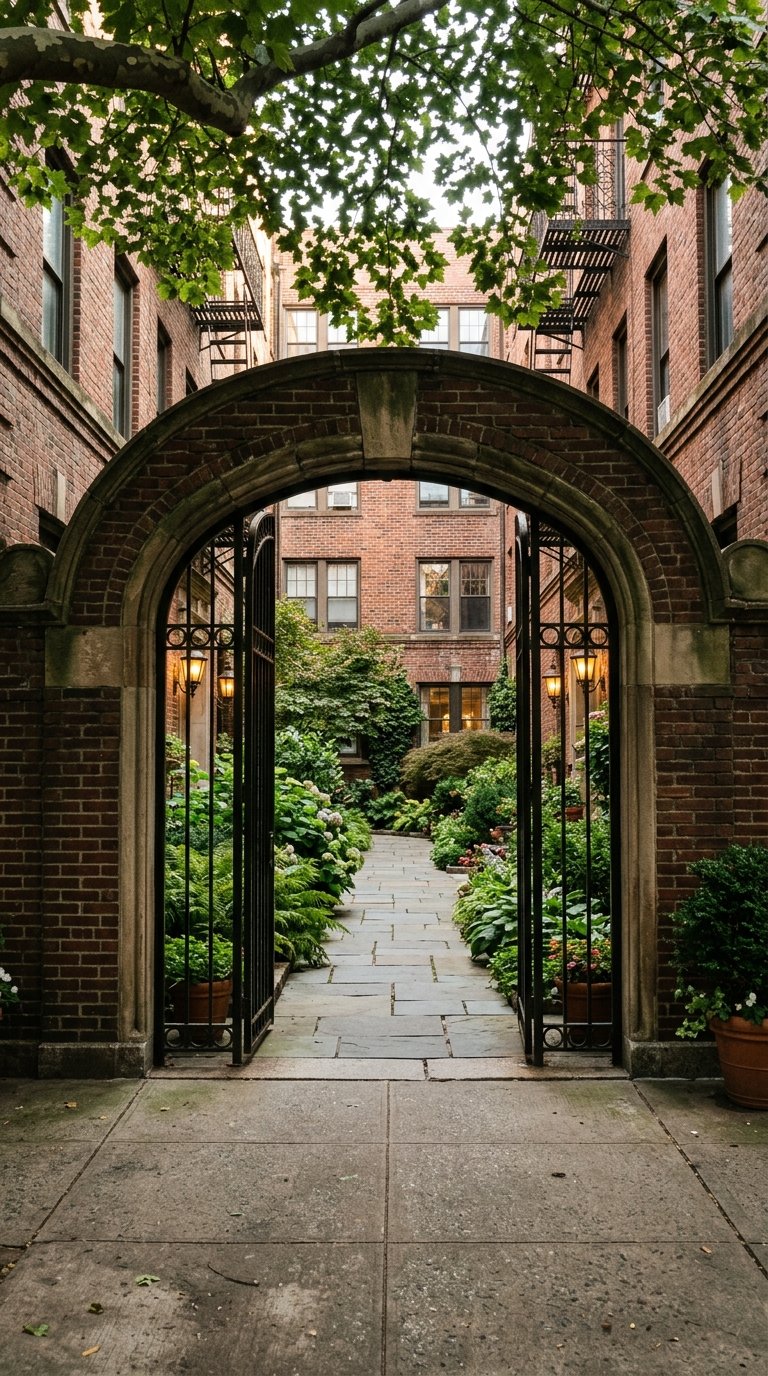
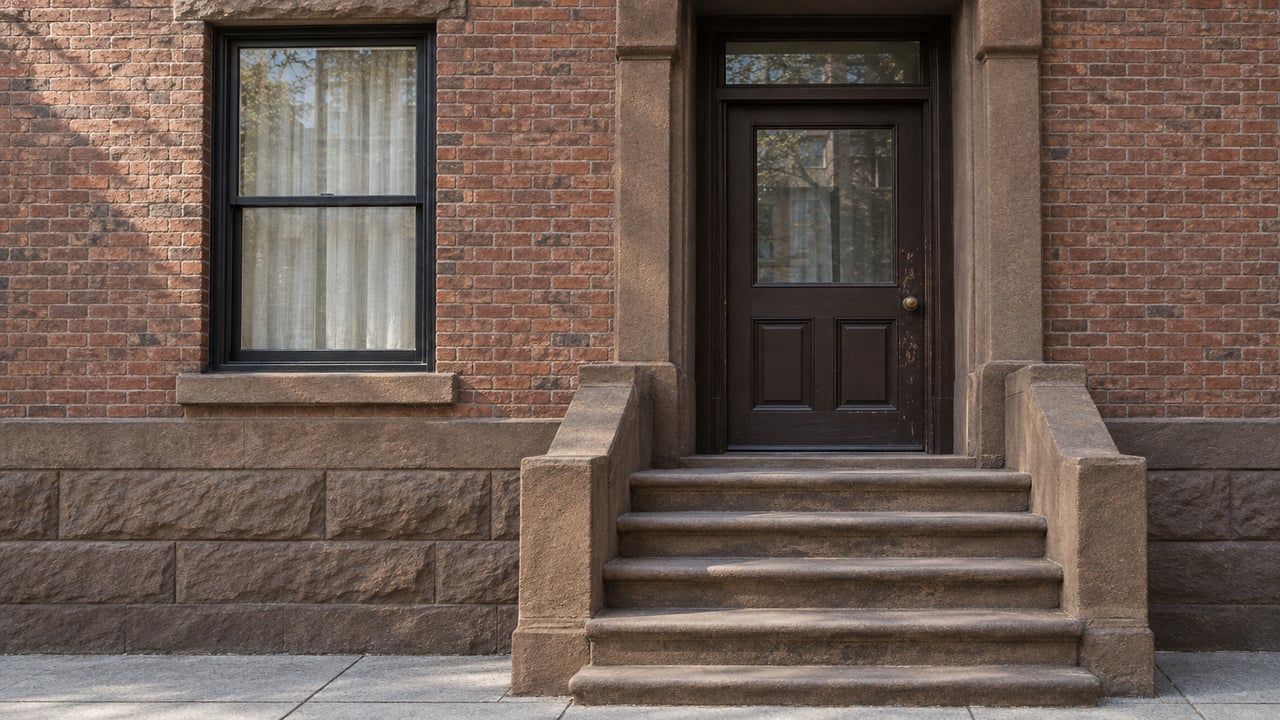
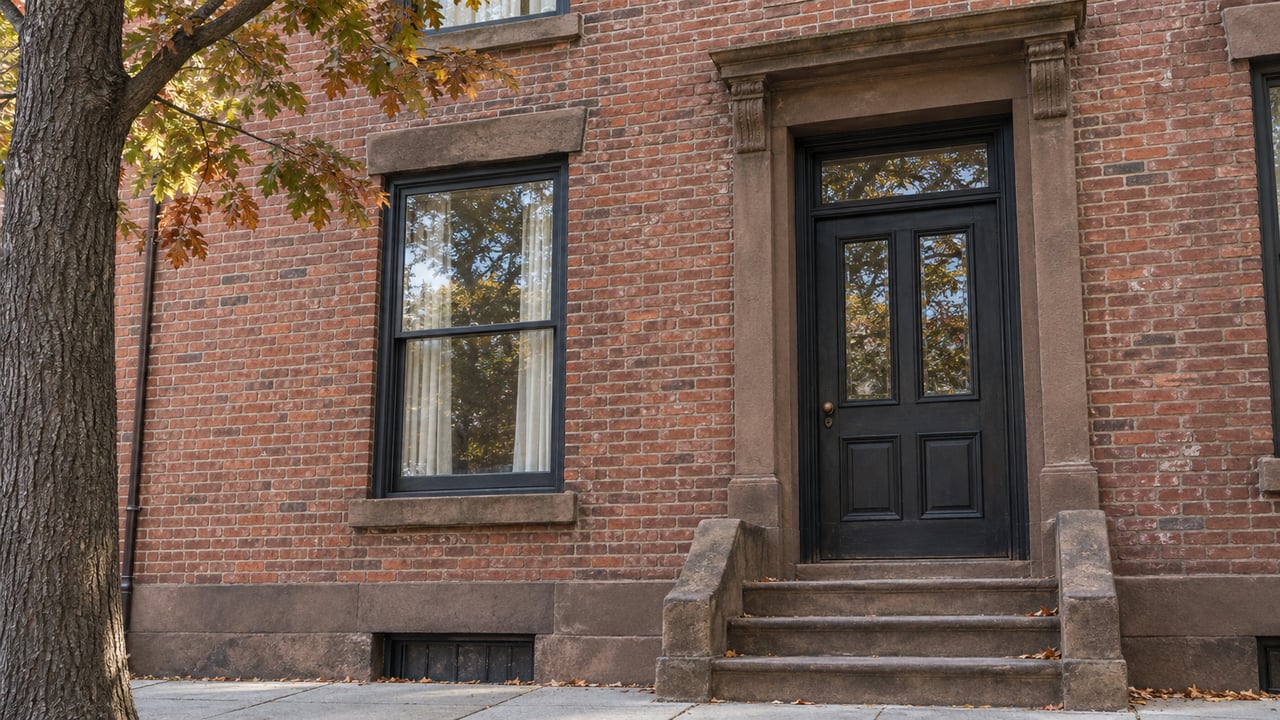
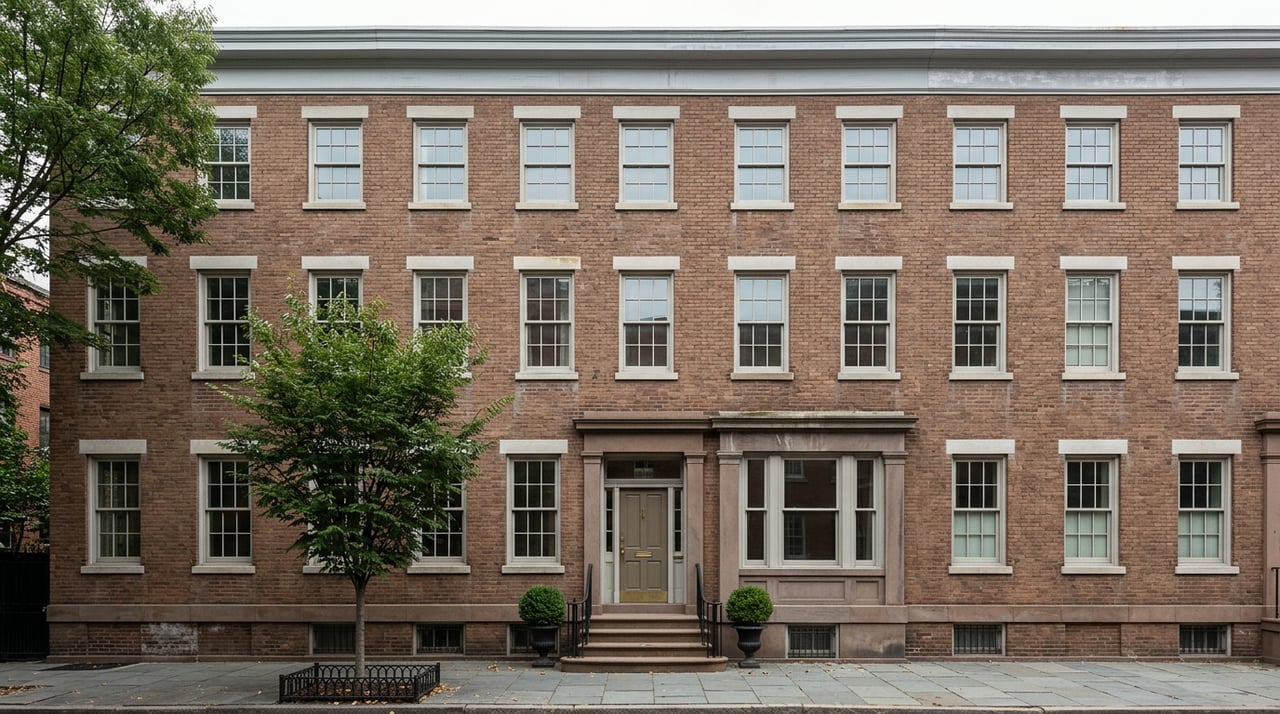
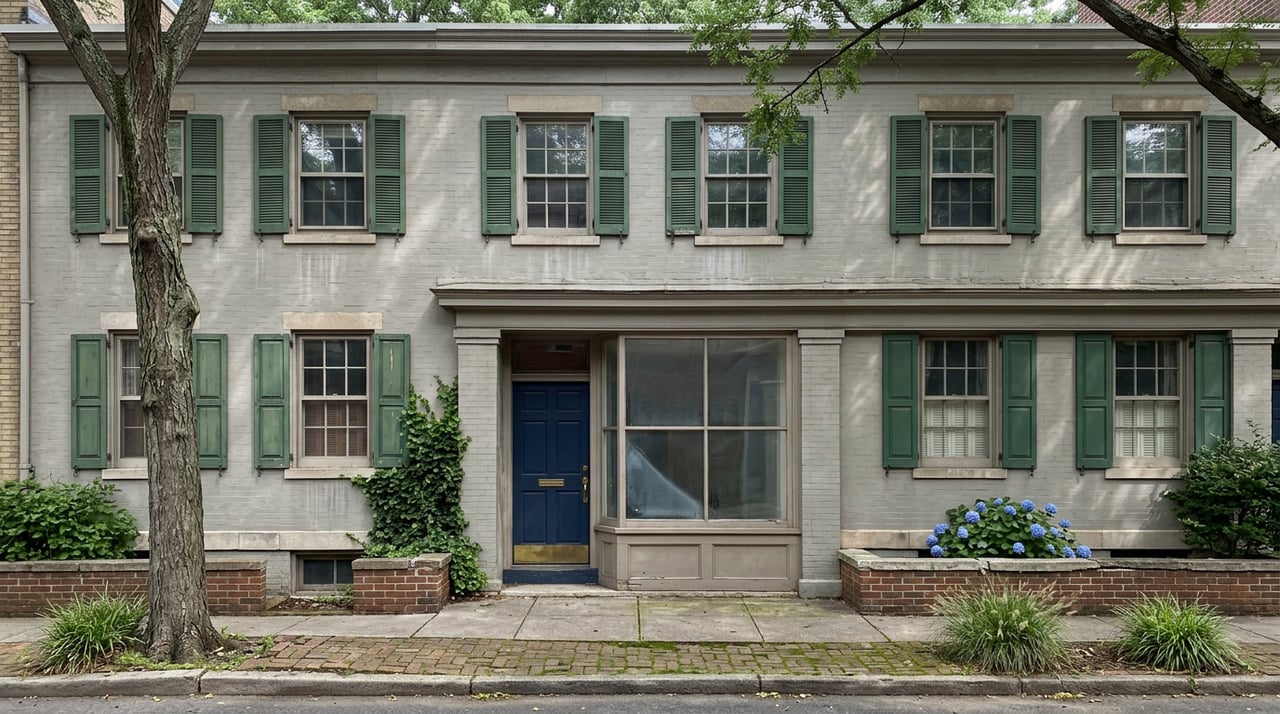
One of Fort Greene’s defining features is its predominantly three- to five-story brownstone row houses. According to NYC Planning, the neighborhood includes one- and two-family homes along with multi-family apartment buildings, especially around the edges.
If you picture tree-lined blocks and classic Brooklyn architecture, much of Fort Greene delivers exactly that. The housing pattern gives the neighborhood a strong sense of visual continuity, especially near the park and on the interior residential streets.
The Fort Greene Historic District was designated in 1978, and the protected area is clustered around the park and surrounding row-house blocks. That matters because the historic fabric helps preserve the neighborhood’s traditional streetscape.
For buyers, this can shape both expectations and inventory. You may find that interior blocks feel especially consistent in scale and appearance, while larger new construction is more likely near major transit and commercial corridors.
Fort Greene is not just a townhouse market. Current inventory in the area includes co-ops, condos, and townhouses, so your search can include both apartment-style ownership and classic row-house living.
That variety is useful if your priorities are still taking shape. You might start out focused on a co-op or condo for ease and budget, then compare that option against a townhouse if space, layout, or long-term flexibility matters more to you.
Fort Greene Park is the neighborhood’s signature open space, with just over 30 acres according to NYC park acreage records. For many buyers, this is more than a nice feature on a map. It becomes part of daily life.
Living near the park can mean easier routines around walks, fresh air, and outdoor time close to home. It also gives the neighborhood a clear center, which helps Fort Greene feel connected rather than scattered.
GrowNYC lists the Fort Greene Greenmarket on Washington Park every Saturday year-round. Set along the park’s southeast edge, it adds another layer of convenience and neighborhood activity.
If you value places that make weekend routines simple, this kind of amenity matters. It gives you a recurring local touchpoint without needing to leave the neighborhood.
BAM, located at 30 Lafayette Avenue, is one of Fort Greene’s most recognizable institutions. Its official history identifies it as America’s oldest performing arts center, and city cultural materials connect the area to a broader Brooklyn Cultural District that also includes 300 Ashland, MoCADA, 651 ARTS, and Brooklyn Public Library.
For buyers, this helps explain why Fort Greene often feels especially culture-dense. You are not just buying near housing and transit. You are buying into a neighborhood with long-established cultural anchors and a visible civic identity.
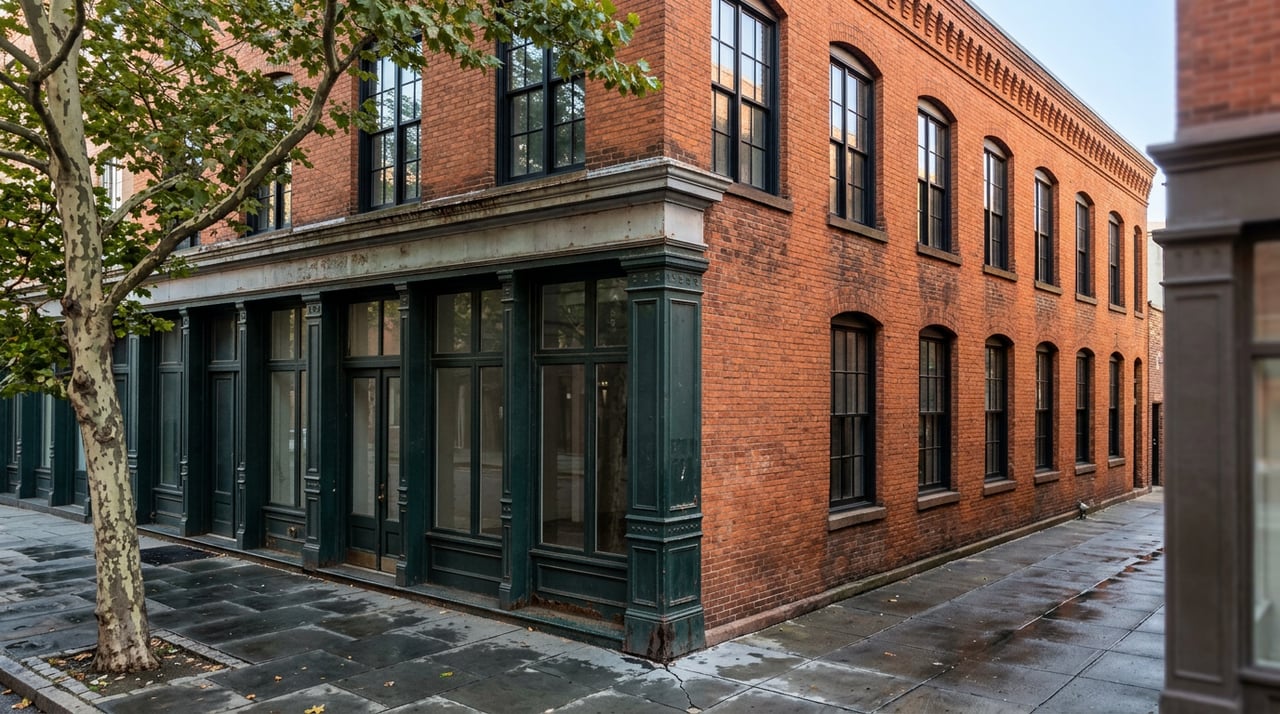
Fort Greene’s retail and dining scene is spread across several main corridors rather than concentrated on one street. NYC Planning identifies Myrtle Avenue and Fulton Street as major commercial corridors, while Atlantic Avenue forms part of the southern edge with lower-rise retail and a more auto-oriented character.
This layout shapes how the neighborhood works day to day. Interior blocks remain primarily residential, while perimeter streets carry more of the shops, services, and food options that support daily life.
The corridor pattern is not just historical. The Myrtle Avenue Brooklyn Partnership and FAB Fulton both reflect ongoing work centered on those business districts, serving Fort Greene and nearby areas.
As a buyer, that can be a practical advantage. Instead of relying on one single retail strip, you have multiple corridors that help distribute neighborhood activity and convenience.
NYC completed Fowler Square at Fulton and Lafayette, adding pedestrian space, trees, benches, and planters near BAM and surrounding retail. Small public-space improvements like this can make a noticeable difference in how an area feels on foot.
When you tour Fort Greene, pay attention to these details. They often influence how comfortable and connected the neighborhood feels during ordinary weekdays, not just during a weekend showing.
Transit is a core part of Fort Greene’s appeal. The MTA identifies Atlantic Terminal as an accessible Long Island Rail Road station with subway connections at Atlantic Av-Barclays Center.
That hub serves the 2, 3, 4, 5, B, D, N, Q, R, and W lines, with LIRR access directly across the street. For many buyers, that level of connectivity is one of Fort Greene’s biggest practical strengths.
In addition to Atlantic Terminal, nearby stations include Fulton Street on the G line, Lafayette Avenue on the C line, and DeKalb Avenue on the B, Q, and R lines. That gives many parts of the neighborhood several workable transit choices.
If your commute or routine changes over time, this flexibility can be valuable. It is one reason Fort Greene often appeals to buyers who want Brooklyn character but also need efficient movement around the city and region.
Buyers often compare Fort Greene with Park Slope because both are strongly associated with brownstone living. A helpful way to think about the difference is that Fort Greene can feel more compact, more transit-oriented, and more concentrated around a few major anchors.
That impression comes from the neighborhood’s documented housing pattern, strong transit access, and clustering around Fort Greene Park, BAM, 300 Ashland, and the Atlantic Terminal edge. If you are deciding between neighborhoods, this can help you clarify what kind of daily rhythm you want.
If you want a neighborhood where residential blocks, cultural institutions, open space, and transit are closely woven together, Fort Greene may stand out. The area offers a lot within a relatively tight footprint.
That does not make it the right fit for every buyer. But if your wish list includes historic housing, strong connections, and a neighborhood center you can actually use, Fort Greene is easy to understand once you walk it block by block.
Because Fort Greene changes from interior brownstone blocks to busier corridor edges, your experience can vary a lot within a short distance. Try to notice where a property sits in relation to the park, commercial corridors, and transit.
The right location for you depends on your routine. Some buyers want a quieter residential block, while others prefer to be closer to trains, shops, or cultural venues.
A townhouse, co-op, and condo can offer very different ownership experiences even within the same neighborhood. Fort Greene gives you a chance to compare these side by side, which is helpful if you are balancing space, maintenance, building style, and budget.
It is worth staying open during your search. Sometimes the neighborhood fit is clear before the property type is, and sometimes it works the other way around.
A neighborhood guide is most useful when it helps you picture ordinary life. In Fort Greene, that means considering how often you would use the park, whether transit access improves your routine, and how much you value being near established commercial and cultural corridors.
Those are personal decisions, but they are easier to make when you connect the map to your real schedule. That is often where a well-planned tour becomes more useful than an online search alone.
Fort Greene offers a distinctive Brooklyn mix: historic row-house blocks, multiple ownership options, a major park, recognized cultural institutions, and unusually strong transit access. If you are weighing where to focus your Brooklyn search, this neighborhood rewards a closer look because so much of what buyers want is concentrated in one place.
If you want thoughtful, neighborhood-driven guidance as you compare Fort Greene homes, Poljan Properties can help you search with clarity and confidence.
Stay up to date on the latest real estate trends.
Poljan Properties was founded in 2012 with a passion to provide New Yorkers and newcomers with exceptional personalized service, advice, and uncompromised loyalty. We work tirelessly for the best outcomes for our clients and do so with the greatest integrity and kindness.