By Poljan Properties
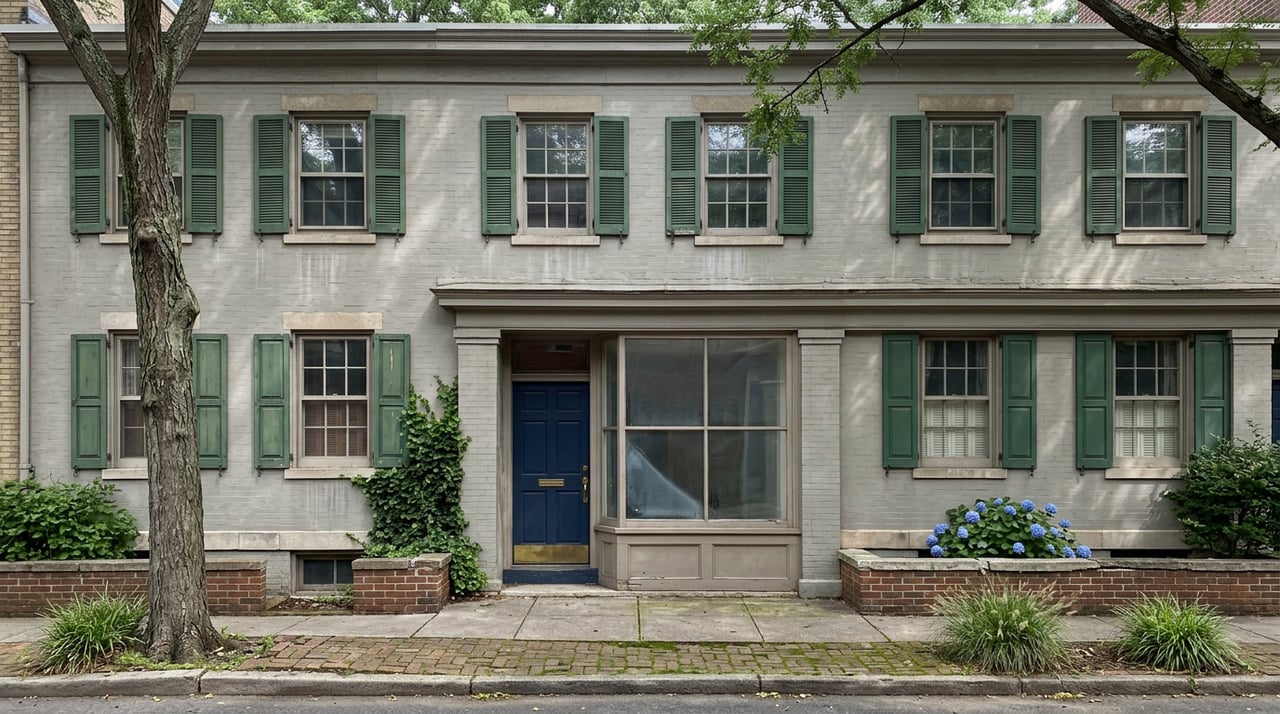
Manhattan offers one of the most competitive real estate markets in the world, and the homes here reflect that. Whether you own a townhouse in the West Village, a brownstone on the Upper West Side, or a classic row house in Harlem, remodeling is one of the most powerful ways to maximize your investment and make your space work harder for your lifestyle.
That said, renovating in Manhattan comes with a unique set of considerations. Space is at a premium, and coordinating contractors in a dense urban environment requires diligent planning. The good news is that homeowners in Manhattan have access to some of the most skilled renovation professionals in the country, and the design possibilities in historic New York homes are genuinely exceptional.
Understanding what renovations add the most value, what pitfalls to avoid, and how to work efficiently can make the difference between a project that transforms your home and one that drains your budget. This guide breaks down the most effective remodeling strategies for Manhattan homeowners, from kitchen renovations and historic preservation to maximizing space.
Key Takeaways
-
Kitchen and bathroom renovations consistently deliver the highest return on investment in Manhattan homes.
-
Maximizing vertical space through built-ins, elevated storage, and smart spatial planning can dramatically improve livability without expanding square footage.
-
Historic preservation requirements can affect structural changes to Manhattan homes, particularly in landmark districts.
Start With the Kitchen
In Manhattan real estate, the kitchen carries tremendous weight. Buyers and residents alike prioritize updated, functional kitchens, and a thoughtful renovation here can significantly elevate both how you live in your home and how it performs on the market. The challenge is that Manhattan’s homes often feature kitchens that are compact by design, requiring smart layouts that maximize efficiency without feeling cramped.
The most successful kitchen renovations are ones that prioritize flow, storage, and quality materials. Semi-custom or custom cabinetry that reaches the ceiling is a practical choice; it eliminates dead space above cabinets and creates a finished, intentional look. Integrated appliances, like panel-ready refrigerators and dishwashers, are especially popular in Manhattan homes where minimizing visual clutter pays off.
If your layout allows for it, removing a partial wall between the kitchen and dining area can open the sightlines and improve the way people move through the space. Many townhouses and row houses were built with compartmentalized floor plans, and even a modest structural change can make a meaningful difference in how connected and spacious the main living area feels.
High-Impact Kitchen Updates to Consider
-
Full cabinet replacement with floor-to-ceiling custom or semi-custom cabinetry in a timeless finish.
-
Stone or quartz countertops in a neutral tone that will appeal broadly and hold up to daily use.
-
A kitchen island or peninsula, where the footprint allows, to add prep space and seating.
-
Integrated or panel-ready appliances to reduce visual noise and create a cohesive aesthetic.
-
Updated plumbing fixtures and under-cabinet lighting for a polished, functional finish.
Modernize the Bathrooms
Bathrooms are the second place Manhattan homeowners see the clearest return on investment when it comes to remodeling. Older residences often have original plumbing that has been updated incrementally over the decades but may never have received a full gut renovation.
A well-executed bathroom remodel replaces aging infrastructure, improves functionality, and delivers a visual transformation that resonates with buyers and makes everyday routines more seamless.
In bathrooms where space is tight, thoughtful design choices make a world of difference. Walk-in showers with frameless glass enclosures are a popular choice because they open up sightlines and feel more spacious than a traditional tub-and-curtain setup. Floating vanities create the visual impression of more floor space, and large-format tiles with minimal grout lines reduce the visual fragmentation that makes compact rooms feel even smaller.
For homes with multiple bathrooms, prioritize the primary bath first. This is where quality matters most and where your renovation dollars have the most visible impact. A spa-inspired primary bathroom with heated floors, a deep soaking tub, or a double vanity is a meaningful upgrade.
Bathroom Features That Resonate in Manhattan
-
Frameless glass walk-in showers that maximize openness.
-
Radiant heated floors, a particularly appealing upgrade for New York City winters.
-
Double vanities in primary bathrooms where the square footage supports it.
-
Large-format porcelain or stone tile in a neutral palette for a clean, timeless look.
-
Thoughtful lighting layers, including recessed lighting, vanity sconces, and natural light where possible.
Maximize Vertical Space
When square footage is fixed, the smartest renovations make the most of wall height, under-stair storage, and every cubic inch of space that tends to go unused. This kind of spatial planning is where experienced local designers and architects truly earn their fee.
Built-in shelving, window seats with storage below them, and custom closet systems are all practical ways to improve storage capacity. In older townhouses with high ceilings, building in lofted storage areas or a reading nook above a closet is a creative strategy that can add real functionality to a room.
In homes with lower ceilings, the goal shifts to visual expansion. Lighter wall colors, strategic mirror placement, and furniture scaled appropriately for the room contribute to a sense of openness that makes a space feel larger than it is.
Vertical Space Strategies for Manhattan Homes
-
Floor-to-ceiling built-in shelving in living rooms, home offices, and bedrooms.
-
Under-stair storage drawers or a custom built-in to capture otherwise wasted space.
-
Custom closet systems that optimize hanging, shelving, and drawer space.
-
Garden-level window well expansion to improve natural light and livability.
-
Lofted storage or sleeping areas in rooms with high ceilings.
FAQs
What Renovations Add the Most Value to Manhattan Homes?
Kitchen and bathroom renovations consistently deliver the strongest return. Beyond those, improving storage, upgrading HVAC systems, refinishing original hardwood floors, and updating lighting can all meaningfully increase a home's appeal. Spatial improvements that make the home feel more livable and well-organized tend to resonate strongly with buyers.
Do I Need a Permit for Renovations?
Yes, most significant renovation work requires a permit. This includes structural changes, plumbing and electrical work, and HVAC modifications. Cosmetic updates like painting or installing new flooring typically do not require permits, but it is always worth confirming before proceeding.
How Do Landmark Preservation Rules Affect My Renovation?
If your home is within a New York City landmark district, exterior changes require approval from the Landmarks Preservation Commission. Interior changes are generally not subject to LPC review. Work with a contractor or architect familiar who is with LPC processes to understand what is permitted and how to file for approval when needed.
Renovate With Intention
The most successful remodels are the ones that respect a home's history while solving real problems, whether that means updating a decades-old kitchen, reconfiguring a floor plan to match how you actually live, or adding the kind of storage infrastructure that makes a compact space feel generous. Having the right team around you from day one makes a measurable difference in how smoothly a project runs and how well the finished result holds up over time.
If you are considering how improvements affect your home's value as you prepare to sell, reach out to our team at
Poljan Properties. We are here to help you make smart decisions that serve your home and your long-term investment.