By Poljan Properties
Selling a home in Manhattan is unlike selling a home anywhere else in the country. The market is dynamic, discerning buyers have seen it all, and the difference between a quick sale at the asking price and a listing that lingers for months often comes down to decisions made before the property even hits the market. Whether you own a pre-war co-op on the Upper West Side, a glass-and-steel condo in Midtown, or a townhouse in Greenwich Village, knowing how to position your listing correctly can mean the difference between competitive offers and a price reduction.
Manhattan buyers are sophisticated and savvy. They tour dozens of residences before making an offer, they work with experienced agents who know how to spot overpriced or poorly prepared listings, and they have enough options that they can afford to be selective. That means sellers need to do more than just put a sign in the window and wait. You need a strategy, and that strategy starts well before your first tour.
The good news is that with the right preparation, pricing, and presentation, Manhattan homes can sell quickly and at compelling prices. Our guide walks you through every step of the process so that you can approach your sale with confidence and clarity.
Key Takeaways
-
Proper preparation and strategic staging are essential for standing out in Manhattan's competitive resale market.
-
Pricing your home correctly from the beginning is more effective than testing the market high and reducing later.
-
Professional photography, floor plans, and an alluring digital presence significantly impact buyer interest.
Know What You're Working With Before You List
The first step in selling your Manhattan home is taking an honest, objective look at what you have. This means understanding your home’s strengths and weaknesses relative to comparable properties currently on the market. A two-bedroom on a high floor with direct park views is a very different product than a two-bedroom on the second floor facing a brick wall, even if they share the same square footage and building address.
We will pull recent sales data in your building and immediate neighborhood, looking at list prices versus sale prices, days on market, and any notable features that seemed to drive premium results. Our analysis helps you come in with a clear understanding of where your home sits in the competitive landscape. If your home has renovated finishes and fixtures, that's a solid selling point. If the kitchen is original and dated, that needs to factor into pricing.
Manhattan buyers are also highly attuned to building-specific considerations, including the financial health of the co-op or condo, the maintenance or common charge levels, the building's reputation, and any upcoming assessments or capital projects. It's better to understand and prepare for these questions ahead of time rather than having them surface as surprises once you're in contract.
What Buyers Evaluate Before Making an Offer
-
The monthly carrying costs, including maintenance, common charges, taxes, and any known assessments.
-
The financial stability of the building, including its reserve fund.
-
The condition of the unit relative to others in the building and price range.
-
The floor, light, and exposure, which can affect real estate value more in Manhattan than almost anywhere else.
-
The building's rules around subletting, pets, and renovations, which affect future flexibility.
Price It Correctly From the Start
In Manhattan real estate, pricing strategy matters enormously. The instinct to test the market by listing slightly above what you expect to get often backfires. Buyers in this market track new listings closely, and an overpriced home tends to get passed over in its critical first two weeks on the market. Once a listing has sat for 30 or 60 days, buyers may begin to wonder what's wrong with it, even if the answer is simply that it was priced too high.
Accurate pricing requires a detailed comparative market analysis that accounts for recent closings, current competition, and any market-specific factors affecting your segment right now. Manhattan's market can vary significantly by neighborhood, building type, and price point, so a broad analysis isn't enough. You need data that is specific to your home.
When priced correctly, well-prepared Manhattan homes often generate multiple offers in the first week. That creates urgency, negotiating leverage, and the possibility of a sale above asking. Pricing conservatively with compelling preparation is almost always a better strategy than pricing aggressively and hoping for the best.
How We Approach Pricing Strategically
-
Start with closed sales in your building from the past six to twelve months, prioritizing the most recent comps.
-
Adjust for condition, floor, exposure, and any premium features your unit offers over comparable sales.
-
Factor in active competition by looking at what's currently listed and how your home compares in value.
-
Trust the data over emotion; the price your home is worth and the price you hope to achieve are not always the same number.
Prepare and Stage Your Home
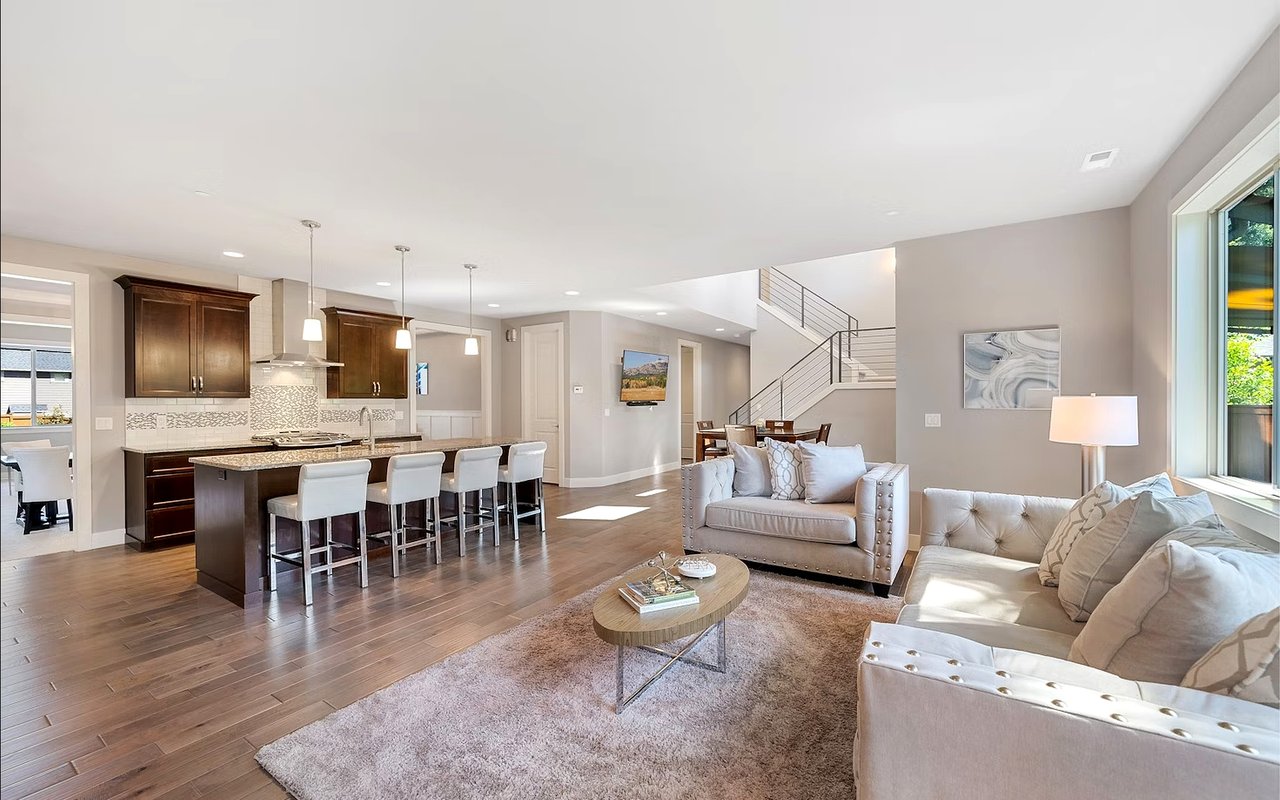
Manhattan buyers expect a lot from the homes they tour, and presentation matters more than sellers often realize. A cluttered, dimly lit, or poorly arranged space will underperform even if the bones are excellent. Staging your home to show its very best possible version is one of the highest-return investments you can make before listing.
Decluttering is the foundation of any good staging effort. In Manhattan homes, where square footage is at a premium, buyers need to be able to visualize the space clearly. Excess furniture, personal items, and anything that makes rooms feel smaller should be removed before professional photos are taken and certainly before showings begin. If you're already living elsewhere, professional staging with rental furniture can make a significant difference in how your home photographs and feels during tours.
Lighting deserves particular attention. Many Manhattan homes receive limited natural light, and how you compensate for that can dramatically affect the buyer experience. Replace any burned-out bulbs, maximize lamp placement, and open every window treatment before showings. Small details like fresh paint in a neutral tone, updated hardware, and spotless cleanliness signal to buyers that the home has been well cared for and is move-in ready.
Pre-Listing Preparation Priorities
-
Deep clean every inch of the homes, including inside closets and cabinets.
-
Touch up the paint throughout and consider a full repaint in a neutral, updated tone if the walls are scuffed or painted in polarizing colors.
-
Address any obvious maintenance items, such as dripping faucets, sticky doors, or cracked tile, since small issues suggest overarching neglect to discerning buyers.
-
Arrange furniture to maximize the sense of space and flow, removing any pieces that crowd the rooms.
FAQs
How Long Does It Take To Sell a home in Manhattan?
The timeline varies depending on building type, price point, and market conditions. A well-priced, well-prepared condo or single-family home can go into contract within two to four weeks. Co-op sales take longer due to the board approval process, which typically adds four to eight weeks after an accepted offer.
Do I Need To Stage My Manhattan Home Before Selling?
Professional staging is strongly recommended for vacant spaces and can make a meaningful difference even for occupied units. Manhattan buyers tour a lot of inventory and respond well to homes that feel well cared for and easy to imagine living in. At minimum, decluttering and professional photography are non-negotiable.
Should I Be Present During Showings?
In most cases, it's better for sellers to be absent during showings. Buyers feel more comfortable asking questions and spending time in a home when the owner isn't present, and it allows our team to handle the showing professionally. If you have pets, arrange for them to be elsewhere during open houses and private tours.
Your Manhattan Sale Starts With the Right Strategy
Selling in Manhattan requires preparation, precision, and a clear-eyed understanding of what today's buyers are looking for. The sellers who achieve the best results are the ones who take the time to prepare their homes properly, price them accurately, and work with agents who know how to navigate every step of a complex transaction. Cutting corners in any of these areas tends to show up in the final sale price or the time a listing spends on the market.
When done well, selling a Manhattan home can be a smooth, well-executed process that results in a rewarding outcome and a clean transition to your next chapter. If you're thinking about selling your Manhattan home and want expert guidance on timing, pricing, and preparation, reach out to our team at
Poljan Properties. We would be glad to walk you through the current market conditions and help you build a plan that gets results.