Prewar vs Postwar Living on the Upper West Side
May 14, 2026
May 14, 2026
Wondering whether a prewar or postwar home is the better fit on the Upper West Side? You are not alone. Many buyers love the neighborhood’s classic architecture but also want practical details like storage, air conditioning, quieter interiors, and manageable monthly costs. The good news is that both eras can work beautifully, depending on how you live and what matters most to you. Let’s dive in.
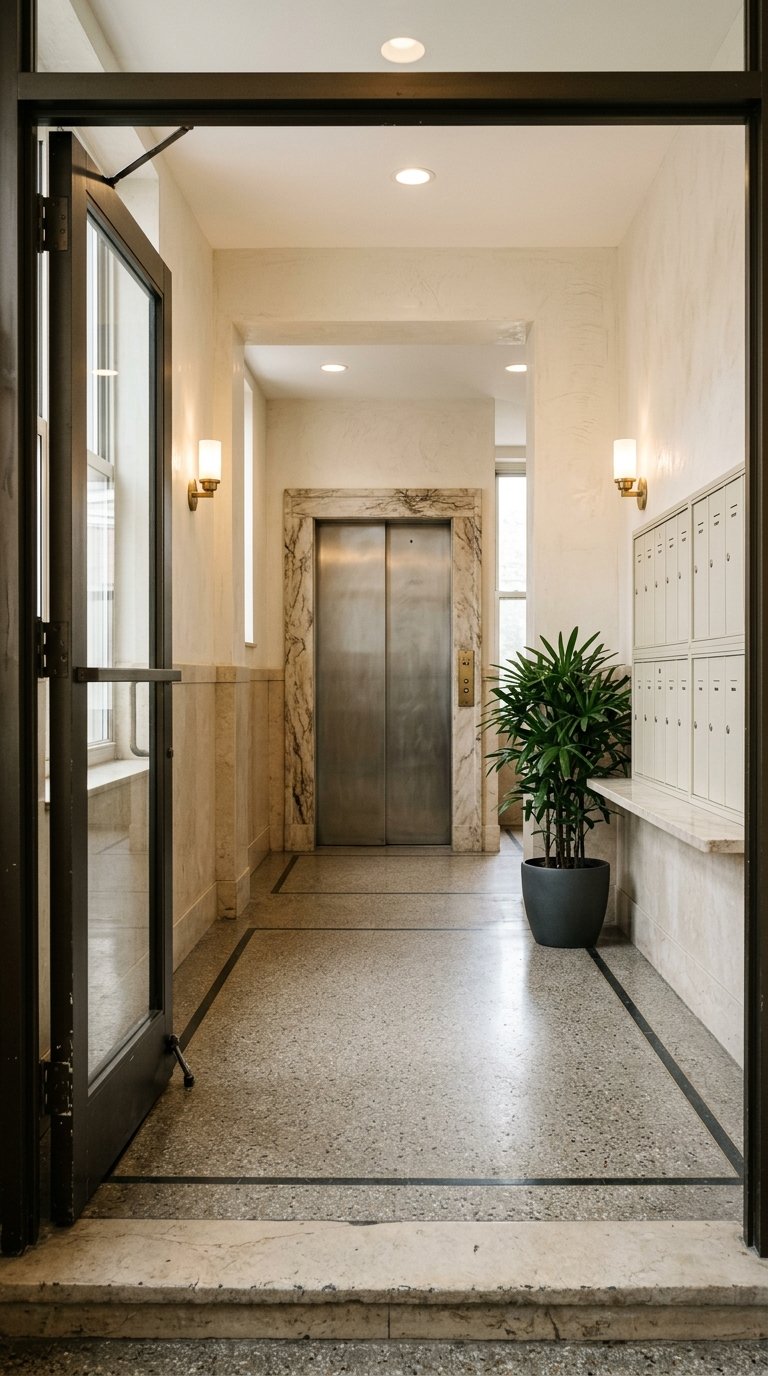
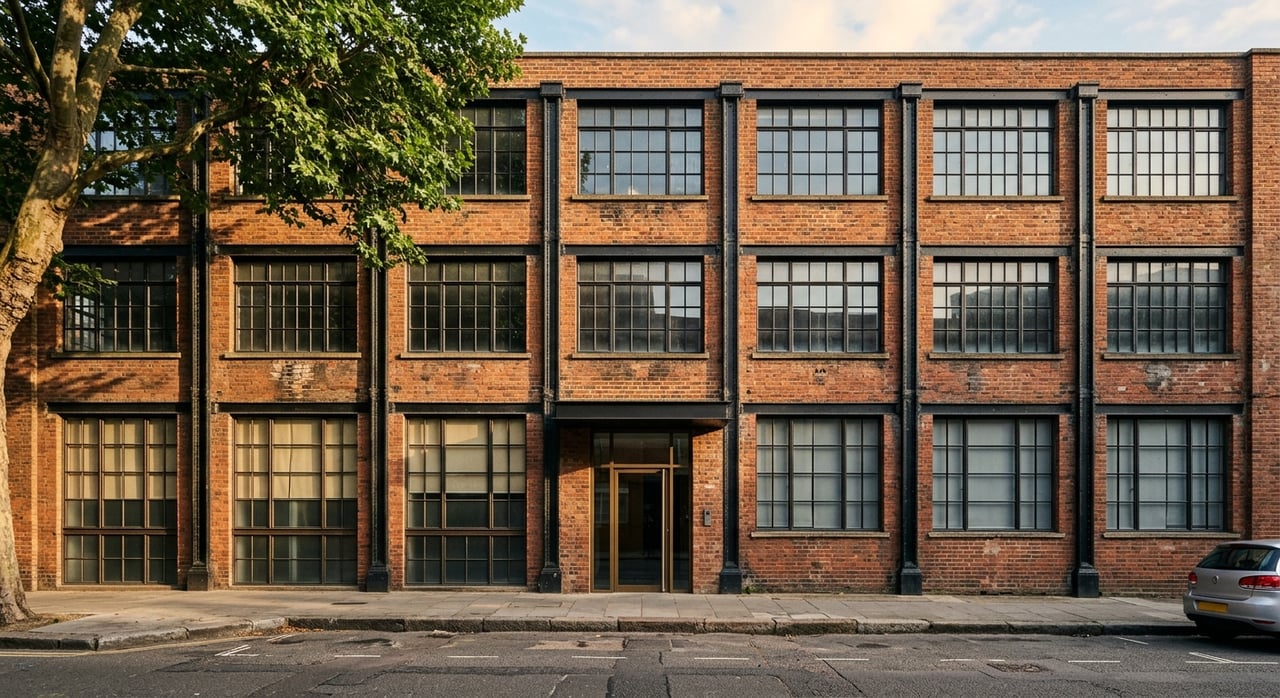
On the Upper West Side, prewar usually refers to buildings built from 1900 to 1939. Postwar usually means buildings constructed after World War II and before 1990. That distinction matters here because the Upper West Side is one of New York City’s classic apartment-house neighborhoods, and many of its homes are in large prewar buildings.
Era also shapes buyer expectations. On the Upper West Side, location and building type often go hand in hand, especially near Central Park and Riverside Drive, where many buyers expect a certain style, scale, and price point. In other words, when you compare prewar and postwar living here, you are often comparing both architecture and lifestyle.
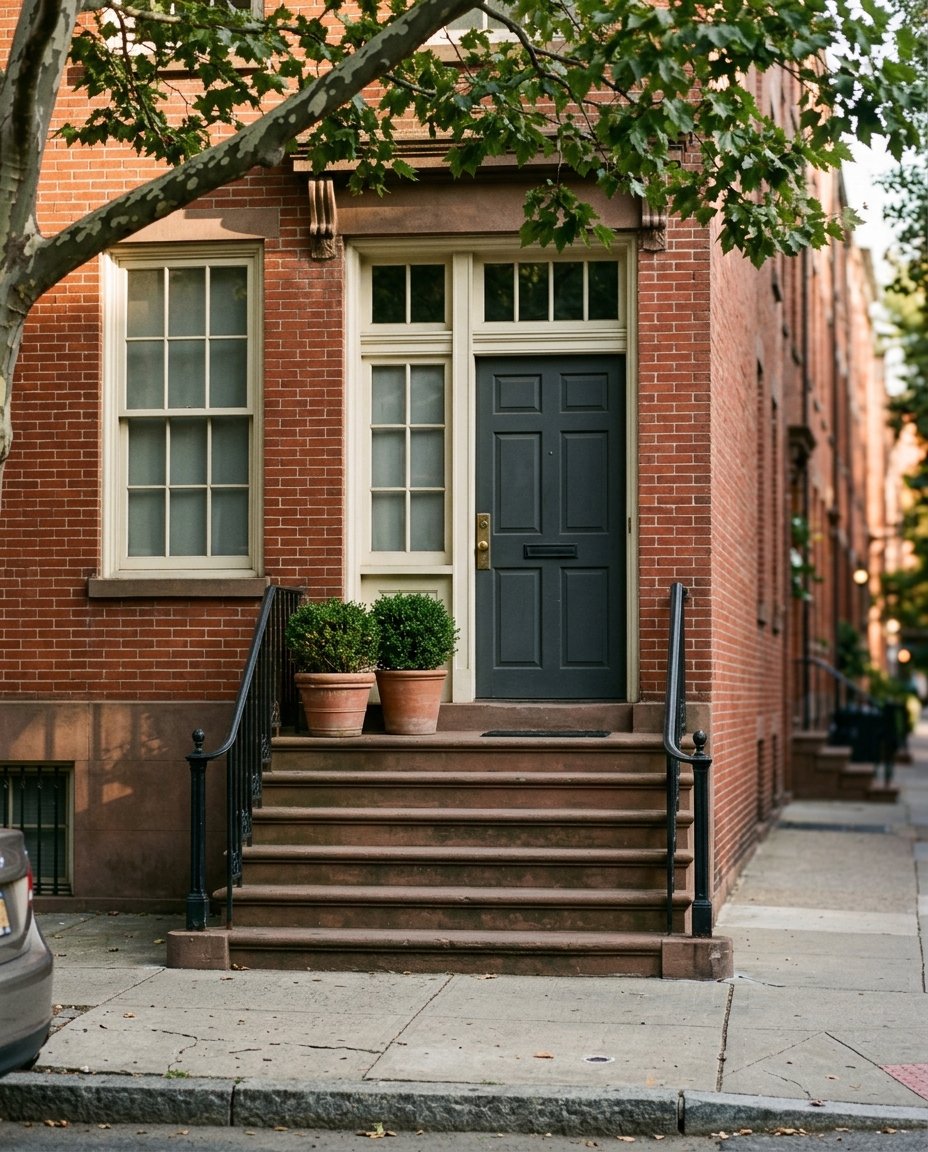
If you picture the classic New York apartment, you are probably picturing a prewar home. These apartments were often designed with distinct public rooms, private rooms, and service areas, which can create a more formal and graceful layout. Buyers are often drawn to the sense of proportion and detail that is harder to find in newer stock.
Typical prewar features can include high ceilings, thick walls, large windows, wood paneling, ornate plasterwork, herringbone wood floors, and sometimes wood-burning fireplaces. These details are a big reason people describe prewar homes as having character or charm. On the Upper West Side, that architectural identity is a major part of the neighborhood’s appeal.
Prewar buildings can also offer a strong sense of arrival. Some have ornate lobbies, elegant hallways, and established full-service operations. If you want a home that feels connected to the neighborhood’s architectural history, prewar often stands out.
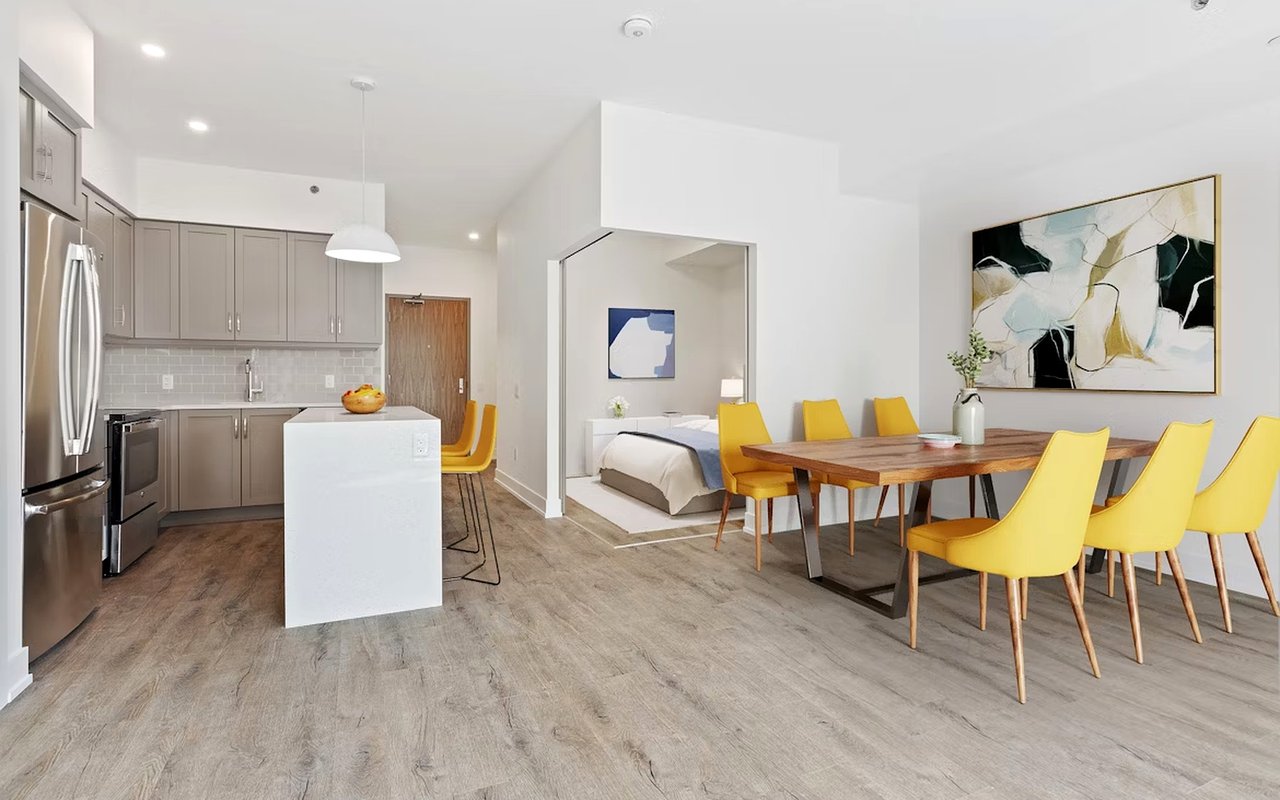
Postwar apartments tend to feel more practical and straightforward. In many cases, they were designed with function in mind, which can mean simpler layouts, easier furniture placement, and more predictable room shapes. For buyers who want convenience over ornament, this can be a real advantage.
Common postwar features include more storage, larger kitchens, larger windows, parquet floors, sheetrock walls, and concrete-and-steel floors. Some buildings also offer balconies or terraces, which can be a meaningful perk in city living. Layouts may also be easier to reconfigure than older floor plans.
Postwar buildings are also more likely to include the kinds of conveniences many buyers ask for first. That can include central air conditioning, updated plumbing and electrical systems, fitness centers, pools, resident lounges, gardens, rooftop terraces, and private outdoor space. If your daily routine depends on modern systems and amenities, postwar may feel like the more natural fit.
One of the biggest day-to-day differences comes down to how space is organized. Prewar apartments often have separate rooms with clearer boundaries between living, dining, and sleeping areas. That can make the home feel elegant and spacious, even if the total square footage is similar to a postwar unit.
Postwar layouts are often more standardized. They can be easier to furnish because the room shapes are usually more direct and less formal. If you prefer open sightlines, larger kitchens, and a layout that supports a simpler routine, postwar can be easier to live in.
There is an important nuance here. Prewar does not automatically mean outdated, and postwar does not automatically mean generic. Some early postwar buildings from the 1950s and 1960s were built with substantial materials and can feel very solid. At the same time, some prewar homes have been beautifully updated to support modern living without losing their original appeal.
Buyers often ask which era is quieter, but there is no universal answer. Some prewar buildings have thicker walls and poured concrete floors, which can help with sound control. But renovations over time can change that, especially if walls were removed or windows were replaced poorly.
Some early postwar buildings can also be very quiet. Later postwar buildings may use lighter materials that transmit more sound, but that is not a rule that applies to every building. In practice, acoustics depend on more than era alone.
When you evaluate sound, pay attention to the individual apartment and building. Street exposure, subway proximity, window quality, floor plan changes, and renovation history all matter. If noise is high on your priority list, it is worth looking at the building line and not just the building age.
If you are thinking about renovating, the Upper West Side adds another layer to the decision. The neighborhood includes the Upper West Side-Central Park West Historic District, and landmarked buildings come with extra rules. According to the Landmarks Preservation Commission, designated buildings require advance approval for alterations, reconstruction, demolition, or new construction that affects the designated building.
That does not mean prewar renovations are off the table. It simply means exterior work, and other changes that affect the designated building, may involve a more structured review process. If renovation flexibility is a major goal, this is one of the clearest practical differences to understand early.
Postwar buildings that are not landmarked may offer fewer constraints in some cases, especially for changes that do not involve protected historic features. Still, every building has its own rules, and board requirements can shape what is realistic. It is always smart to compare the apartment, the building, and the approval process together.
On the Upper West Side, your monthly cost comparison should go beyond the sticker price. The key is to compare total carrying costs, not just one line item. This matters especially when you are deciding between a co-op and a condo.
In NYC co-ops, monthly maintenance usually includes the building’s property taxes. The New York City Department of Finance explains that co-op owners do not pay property tax directly. Instead, that cost is built into the monthly fee.
In condos, common charges usually cover shared operating costs like lobby and hallway maintenance, pest control, trash, and snow removal. But property taxes are typically billed separately. That means a condo can appear less expensive if you look only at common charges, even though the true monthly cost is common charges plus property taxes.
Assessments and major repairs can affect both co-ops and condos over time. So if you are comparing a prewar co-op with a postwar condo, make sure you are looking at the full monthly number. That side-by-side view gives you a much more accurate sense of affordability.
If you want charm, scale, and a more traditional New York feel, prewar is often the first place to look. These homes can offer richer detail, stronger architectural identity, and room proportions that feel memorable. For many buyers, that emotional connection matters just as much as the numbers.
If you want easier furniture placement, more storage, a higher chance of central air, and more modern amenity packages, postwar may be the better match. These homes often support a more streamlined daily routine. That can be especially appealing if your focus is comfort, convenience, and lower-maintenance living.
For many buyers, the real answer is not prewar versus postwar in the abstract. It is about the specific building, the specific apartment line, and the renovation history. On the Upper West Side, two homes with similar square footage can live very differently depending on those details.
The smartest way to compare prewar and postwar living is to start with your non-negotiables. Think about what matters most to you: architectural character, kitchen size, closet space, outdoor space, air conditioning, monthly carrying costs, or renovation potential. Once you know your priorities, it becomes much easier to sort through the options.
It also helps to view apartments through the lens of everyday life. Ask yourself how the layout supports your routine, whether the storage is enough, how the building feels when you walk in, and whether the monthly costs make sense for the long term. Those are often the details that make your decision clearer.
On the Upper West Side, there is no universal winner between prewar and postwar. There is only the home that fits you best. If you want help weighing charm against convenience, renovation potential against building rules, or co-op maintenance against condo carrying costs, Poljan Properties can help you sort through the tradeoffs with clear, local guidance.
Stay up to date on the latest real estate trends.

Your Guide to Creating a Stunning Personal Library in New York City.

Your Guide to an Outdoor Day in Manhattan: Parks, Waterfront, and Green Space Worth Exploring.
What to Look For When the Kitchen Is the Heart of the Home.
Old World Character, Modern-Day Decisions.
Scale, Style, and Smart Choices for Every Room.
Poljan Properties was founded in 2012 with a passion to provide New Yorkers and newcomers with exceptional personalized service, advice, and uncompromised loyalty. We work tirelessly for the best outcomes for our clients and do so with the greatest integrity and kindness.