By Poljan Properties
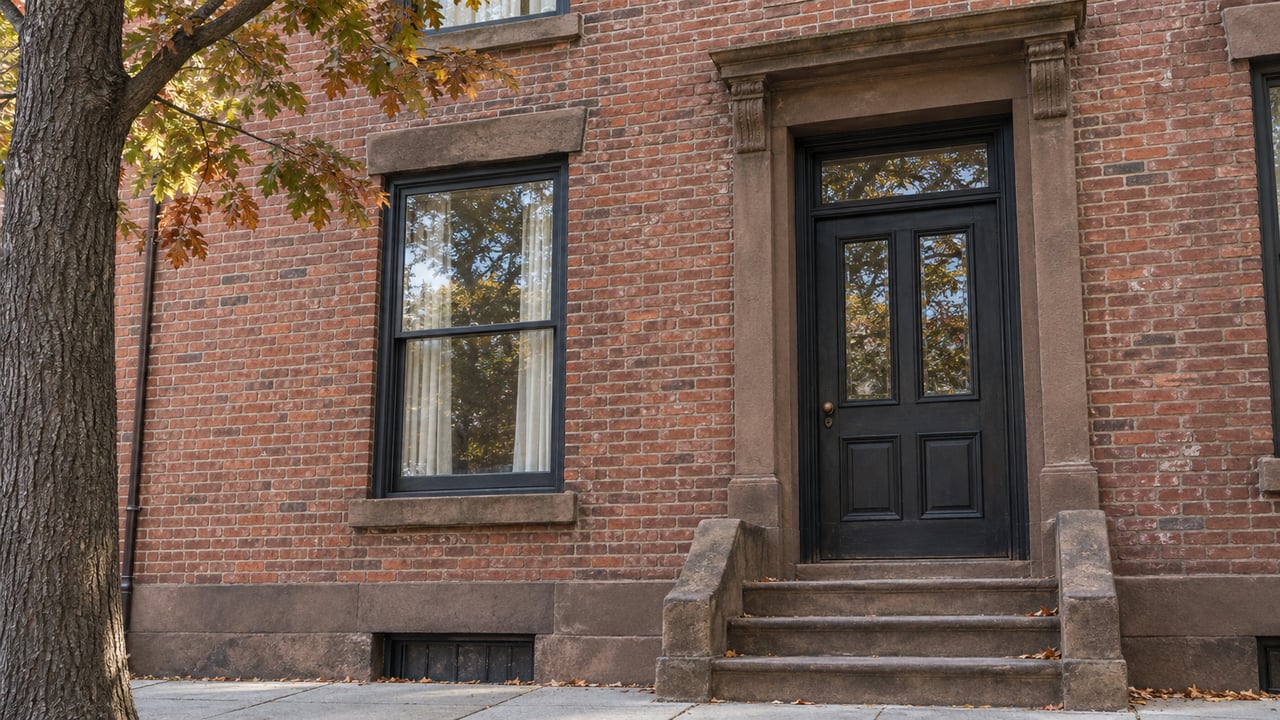
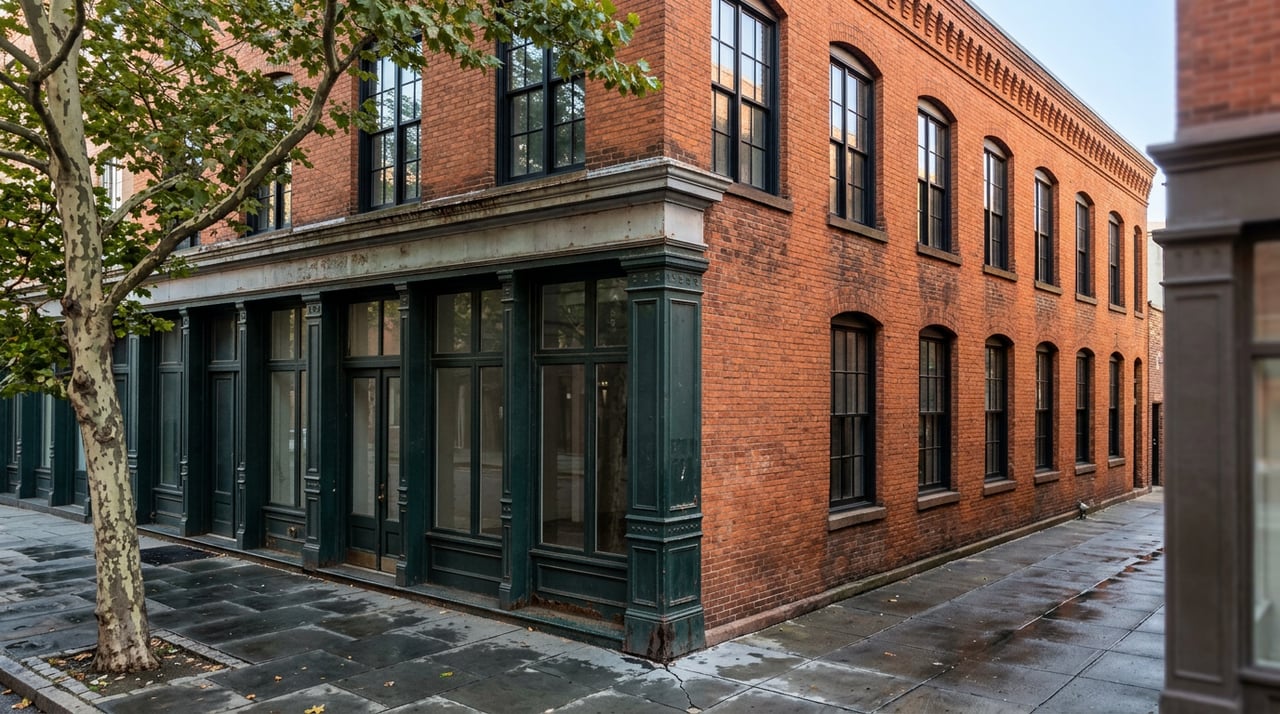
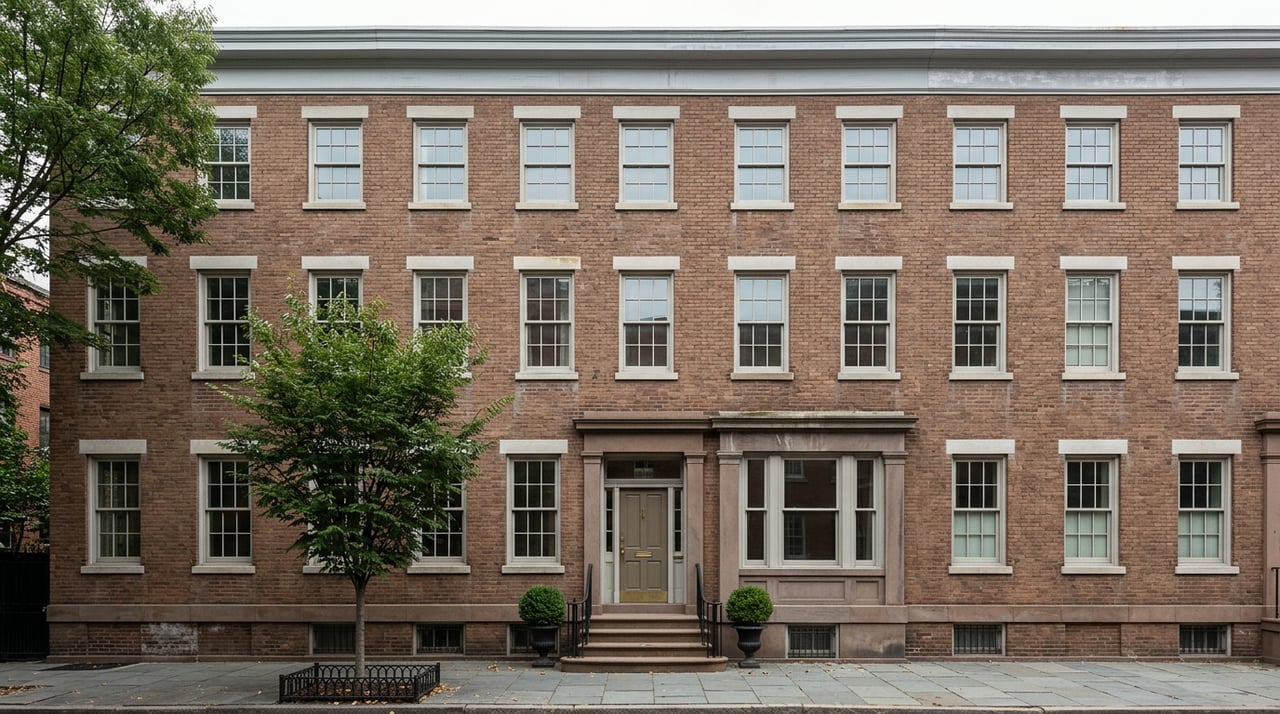
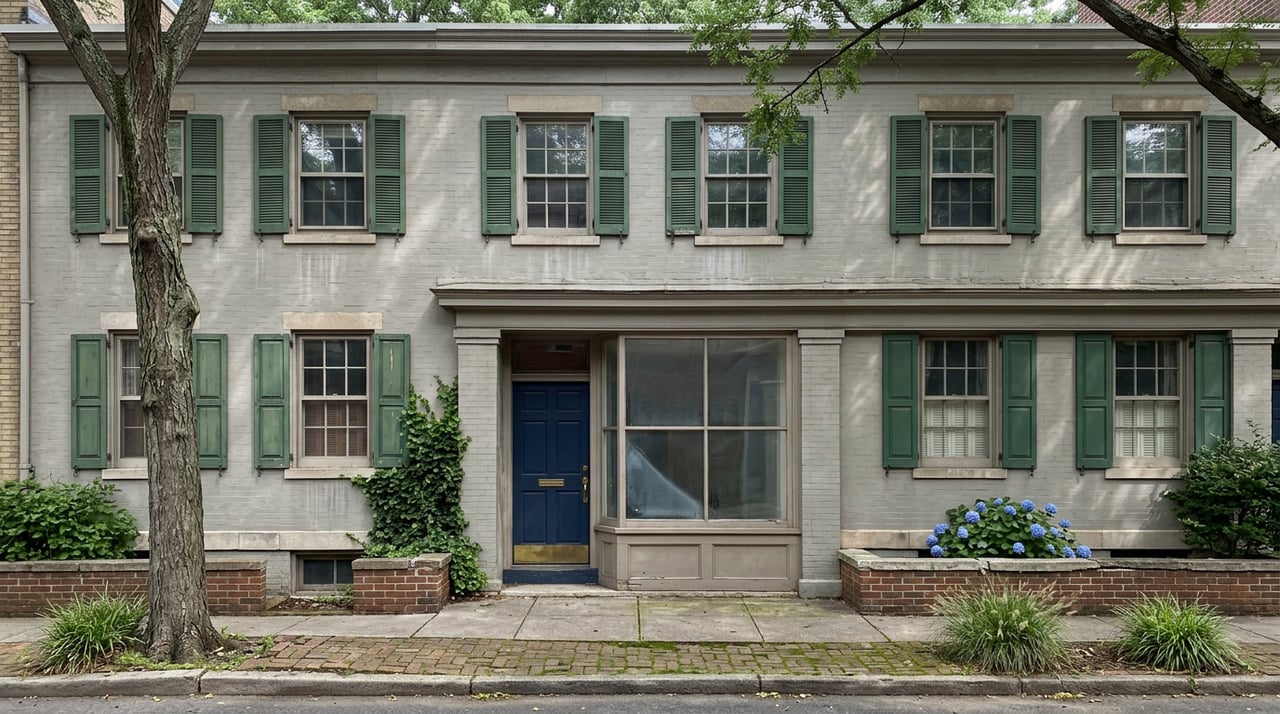
Manhattan's historic housing stock is unlike anything else in the country. From prewar co-ops on the Upper West Side to Federal-style rowhouses in the West Village, the borough offers a depth of architectural history that newer construction simply cannot replicate. If you've found yourself drawn to crown moldings, original hardwood floors, and the kind of detail that takes a century to fully appreciate, you're already thinking the right way. But searching for a historic home in Manhattan requires a specific set of considerations that go well beyond square footage and price per foot.
The appeal is real and well-earned. Historic homes in Manhattan carry character, prestige, and a tangible connection to the past. What they also carry are unique structural realities, regulatory frameworks, and due diligence requirements that every serious buyer needs to understand before making an offer. Knowing what to look for — and what to ask — will save you time and help you find a property that lives as beautifully as it looks.
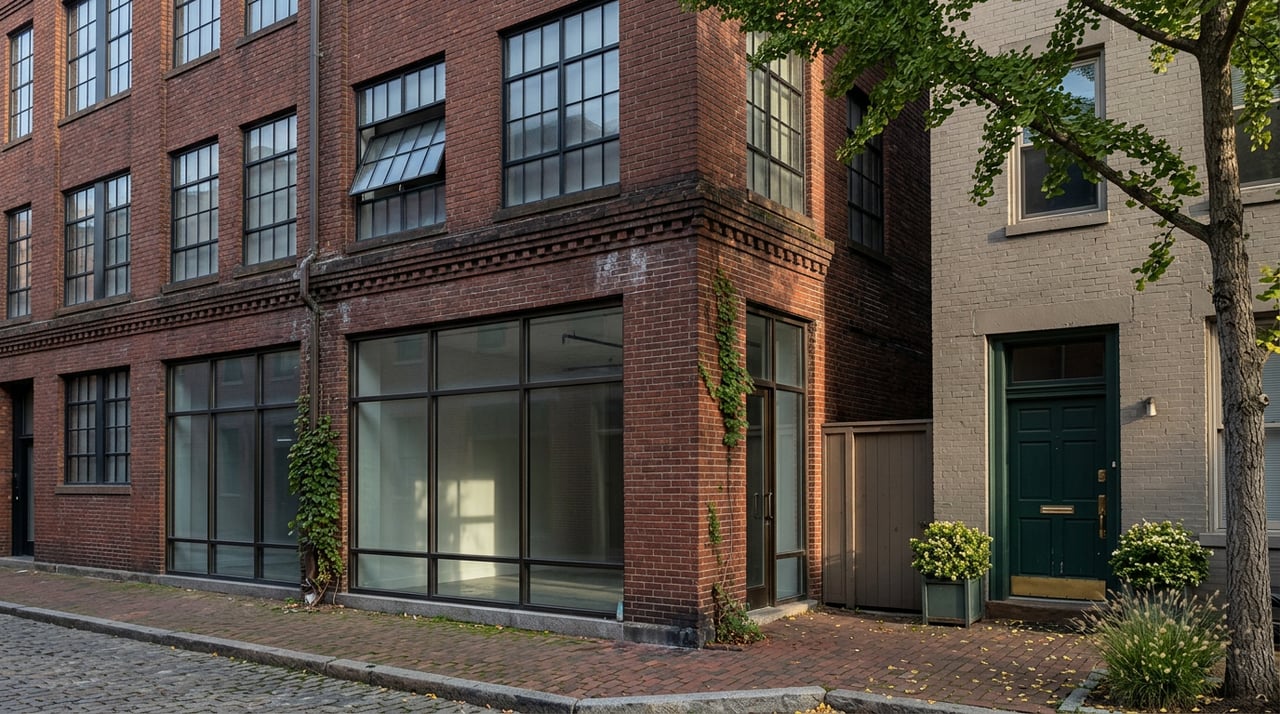
Whether you're eyeing a landmarked brownstone, a prewar cooperative, or a Federal rowhouse tucked into a cobblestoned block, the process of buying a historic Manhattan home rewards preparation. Here's what to keep in mind as you begin your search.
Key Takeaways
-
Historic homes in Manhattan often fall under the jurisdiction of the New York City Landmarks Preservation Commission, which affects what modifications you can make.
-
Prewar construction introduces specific structural and systems considerations that a qualified inspector needs to evaluate carefully.
-
Co-op boards and landmark regulations can both affect your ability to renovate, so it's critical to understand these constraints before you close.
-
Location within a historic district shapes not just aesthetics but also future resale value and neighborhood character.
-
Working with a team that knows Manhattan's historic housing market will help you navigate the layers of research, compliance, and negotiation involved.
Understanding Landmark Designation and What It Means for You
Not all historic homes in Manhattan carry the same regulatory status. Some are located within designated historic districts, whereas others simply have the architectural character of a different era without any formal designation at all. The distinction matters enormously once you start thinking about renovations, additions, or even replacing windows.
The New York City Landmarks Preservation Commission (LPC) oversees historic districts across the five boroughs. If a property you're considering falls within one of these districts or is individually designated, any exterior changes must be reviewed and approved by the LPC. This includes work as significant as replacing windows, altering the facade, or adding rooftop structures, as well as work that might seem minor, such as changing the color of the front door or modifying ironwork. Interior changes, with some notable exceptions for interior landmarks, are generally not regulated.
What to Research Before You Make an Offer
-
Whether the property is individually landmarked or located within a designated historic district.
-
The history of any prior LPC applications on the property, which are part of the public record.
-
What renovations, if any, are planned.
Evaluating Prewar Construction and Building Systems
One of the most important steps when buying any historic home in Manhattan is a thorough structural and systems inspection. Prewar buildings, generally those constructed before 1940, were built to a high standard of construction; the thick plaster walls, solid masonry design, and old-growth timber floors found in many of these properties are exceptional. At the same time, the mechanical systems, including plumbing, electrical, and HVAC, may be due for significant updating.
Older buildings often still have cast-iron plumbing, knob-and-tube wiring in parts of the structure, or steam heat radiators. None of these are automatically disqualifying; steam heat, in particular, is beloved by many Manhattan residents for the warmth it provides. But you need to know what you're working with before closing. A qualified inspector with specific experience in prewar Manhattan properties will know where to look and what to flag, and that expertise is worth seeking out deliberately.
For co-ops in prewar buildings, you'll also want to understand the building's financial standing, reserve fund, and any upcoming assessments. A co-op board will provide a financial package as part of the purchase process, and reviewing it carefully with your attorney is essential.
Key Systems to Evaluate in Historic Manhattan Properties
-
The age and condition of the electrical panel and wiring, particularly in buildings constructed before 1950.
-
Plumbing infrastructure, including water pressure, pipe material, and any history of leaks or water damage.
-
Heating and cooling systems and whether the building operates on steam, forced air, or another method.
-
The condition of the windows, which in landmarked buildings may be original and require specialized maintenance or LPC-compliant replacements.
-
Roof condition and the integrity of any shared or common structural elements, particularly in brownstones and rowhouses.
FAQs
How Does the NYC Landmarks Preservation Commission Affect Homebuyers?
If you purchase a property that is individually landmarked or located within a designated historic district, the LPC has jurisdiction over exterior modifications. Any changes to the building's facade, windows, ironwork, or other exterior elements must be reviewed and approved before work begins. Interior modifications are generally not regulated unless the property contains a separately designated interior landmark. Buyers should research LPC status as part of their due diligence and factor potential approval timelines into renovation planning.
Are Historic Homes in Manhattan More Expensive to Maintain?
They can be, depending on the building's systems, age, and condition. Older plumbing and electrical infrastructure may require updating, and certain materials, such as original windows or masonry, require specialized maintenance. In co-op buildings, some of these costs are shared through monthly maintenance fees, which can include contributions to the building's reserve fund. For townhouses and rowhouses, owners bear maintenance costs individually. A thorough inspection and a realistic budget for ongoing upkeep are essential before purchasing.
Your Historic Manhattan Home Is Worth the Right Search
Buying a historic home in Manhattan is one of the most rewarding real estate decisions you can make, but it requires a level of preparation that goes well beyond a typical purchase. Between landmark regulations, prewar construction realities, co-op board requirements, and the nuances of individual neighborhoods, there are many layers to evaluate before you commit.
The buyers who thrive in this market are the ones who do their research, ask the right questions, and work with a team that has genuine depth of knowledge in Manhattan's historic housing stock. Our team at
Poljan Properties understands what makes these properties special and what it takes to successfully purchase one. We bring the expertise, relationships, and market knowledge to guide you through every step of the process.
When you're ready to start your search for a historic Manhattan home, we're here to help you find the right one.