By Poljan Properties
Homes in Brooklyn have a way of making you think carefully about every piece of furniture you bring through the door. Whether you're moving into a pre-war brownstone, a converted loft, or a classic co-op, the architecture here tells you something immediately: space is precious, proportions matter, and what works in a sprawling suburban living room often falls completely flat in a Brooklyn home.
The good news is that furnishing a space well isn't about sacrificing style for function. It's about making deliberate choices that honor both.
The challenge most homeowners face isn't a lack of beautiful options. It's knowing how to filter those options against the specific reality of their home. A sectional that photographs beautifully in a showroom can overwhelm a Brooklyn living room the moment it's assembled. A dining table that seats eight sounds aspirational until you realize it leaves no room to pull out the chairs. Getting this right takes a framework, and that's exactly what this guide gives you.
From measuring your rooms the right way to understanding which furniture styles complement Brooklyn's most common architectural details, here's everything you need to make choices you'll still love five years from now.
Key Takeaways
-
Measuring your space accurately before shopping is the single most important step you can take.
-
Small space furniture and multi-functional pieces are practical solutions for Brooklyn's typically compact floor plans.
-
The architectural character of your Brooklyn home, whether brownstone, loft, or modern condo, should guide your style choices.
-
Scale is more important than size; a few well-proportioned pieces outperform a room stuffed with small ones.
-
Brooklyn furniture shops and local showrooms are valuable resources for finding pieces sized for New York living.
Start With the Room, Not the Store
Before you browse a single showroom or add anything to an online cart, spend time inside your space with a tape measure and a notebook. Brooklyn’s homes are not standardized, and this is actually one of their most appealing qualities. You might have nine-foot ceilings in a brownstone, low-slung windows that cut into wall space, or exposed columns in a loft that break the floor plan into irregular zones. None of these details show up in a furniture listing.
Measure the full dimensions of every room you're furnishing, and note where windows, doors, radiators, and any architectural features interrupt the walls. Then, measure the doorways and stairwells through which your furniture will need to travel. This last point is where many Brooklyn buyers learn a hard lesson: beautiful pieces can and do get stuck in stairwells, and the narrow hallways of pre-war buildings are famously unforgiving. Knowing your clearances before you fall in love with something saves real money and frustration.
Once you have your measurements, sketch a rough floor plan to scale. It doesn't need to be a professional drawing; even a hand-drawn grid helps you visualize how furniture will occupy the space before it arrives.
What to Measure Before You Shop
-
The full length and width of each room, plus the ceiling height.
-
Every doorway, hallway, and stairwell between the entry and the room you're furnishing.
-
The height and width of any windows and how high they sit from the floor.
-
The location of radiators, built-in shelving, and any architectural projections, such as columns or alcoves.
-
The area rug footprint you're considering, which will anchor the furniture arrangement and affect how spacious or compact the room feels.
Understand the Architecture You're Furnishing
Brooklyn's housing stock spans more than a century of design history, and different building types call for very different furniture approaches. A pre-war brownstone with its original moldings, plaster ceilings, and formal room layout has a completely different personality than a converted warehouse loft with open sightlines and raw concrete. Paying attention to what your home is already saying will help you make choices that feel cohesive rather than accidental.
In brownstones and pre-war buildings, the proportions lean traditional. Rooms often have great ceiling height but are long and narrow. Furniture with tapered legs, curved backs, and wood accents tends to complement the architecture beautifully, while very low-profile, ultra-modern pieces can look out of place. Built-in bookshelves and original moldings give you natural anchors to work around.
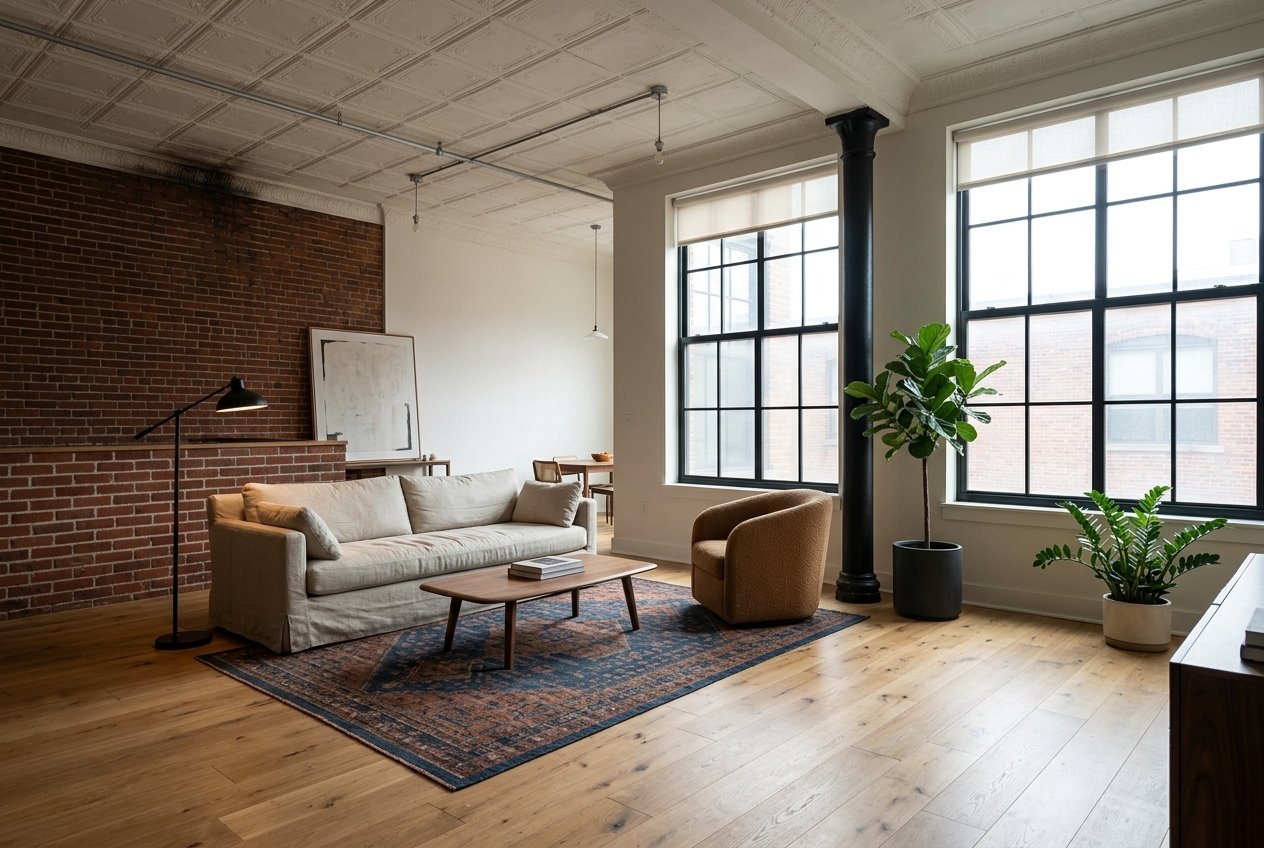
In loft spaces and newer condos, you have more latitude for contemporary and industrial styles. Clean lines, mixed materials, and open shelving all read well in open-plan spaces. The challenge in lofts is often the opposite of the brownstone problem: you have more square footage but fewer walls, so creating distinct living zones through furniture placement and area rugs becomes essential.
Furniture Styles That Work Well in Brooklyn Home Types
-
Pre-war brownstones pair well with mid-century modern, transitional, and classic styles that echo the building's original period details.
-
Industrial lofts suit raw wood, metal accents, and furniture with a simple, graphic profile.
-
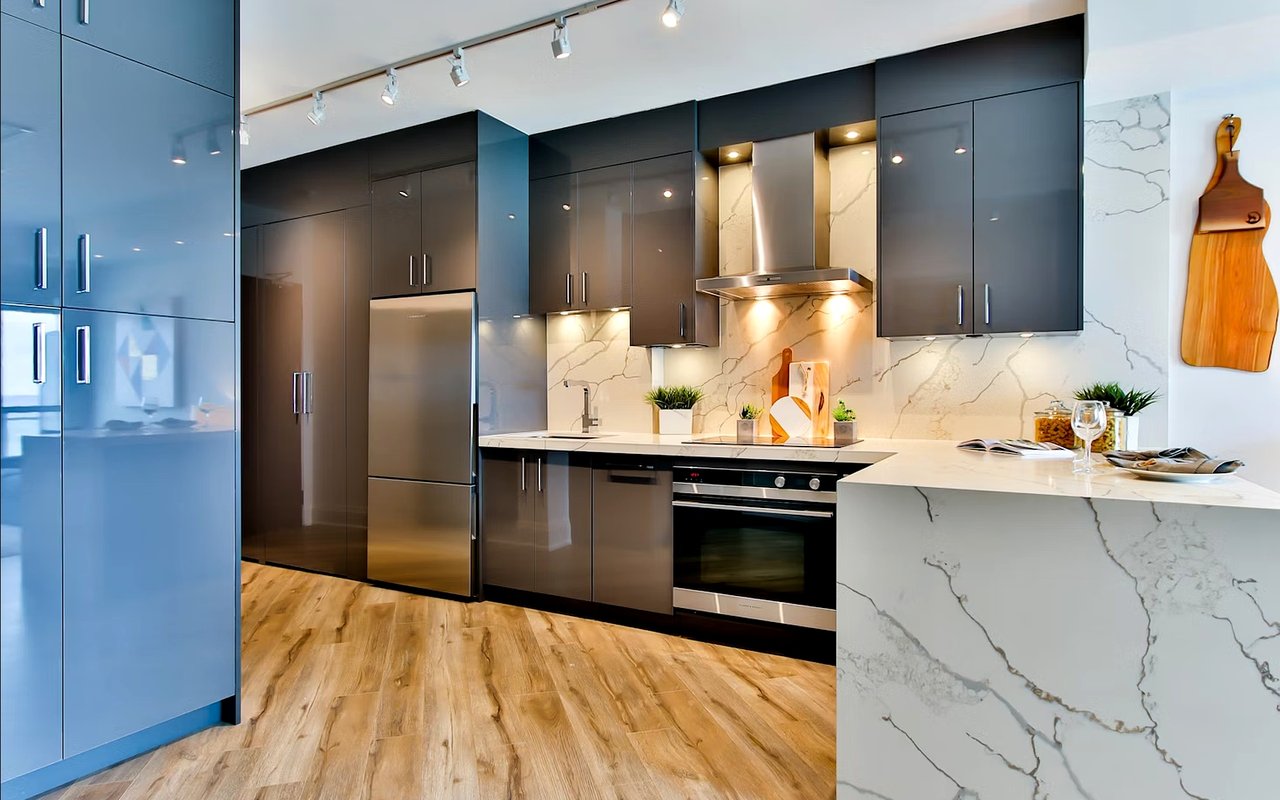
Modern condos and new construction respond well to Scandinavian-influenced pieces, modular furniture systems, and furniture that emphasizes clean lines over ornament.
-
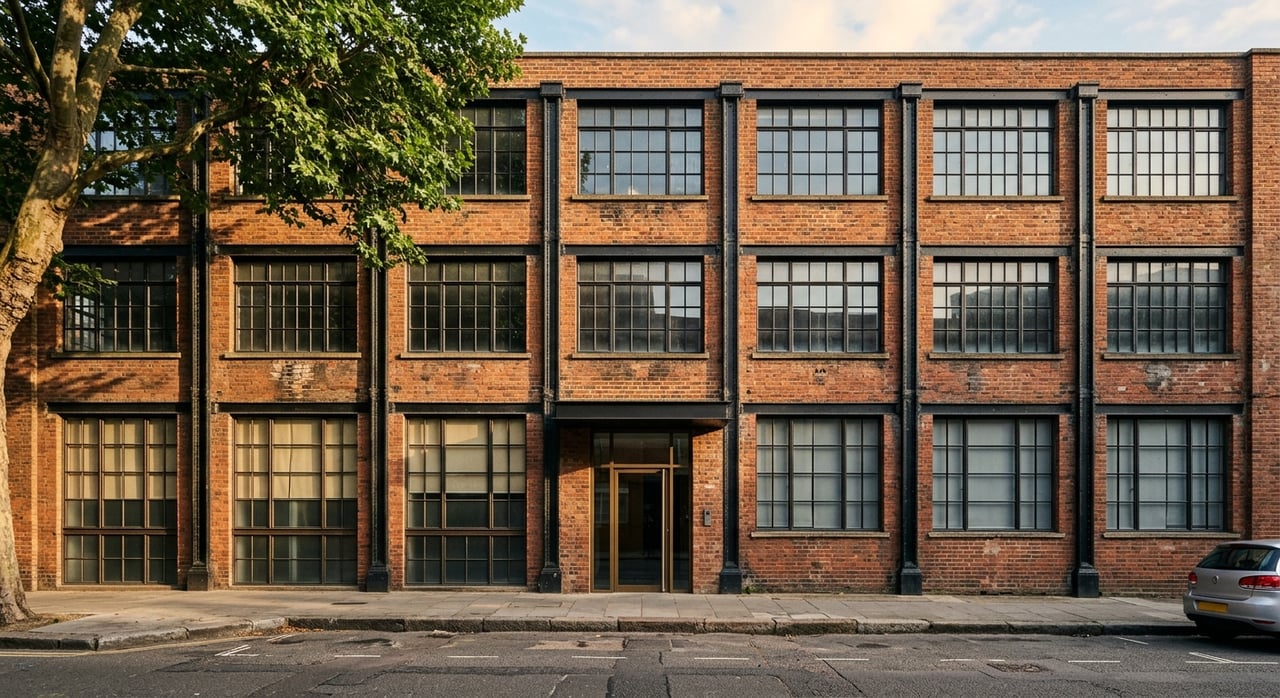
Converted spaces with exposed brick work best when furniture introduces warmth through upholstery and soft textiles to balance the hardness of the wall surface.
Multi-Functional Furniture Is a Brooklyn Standard
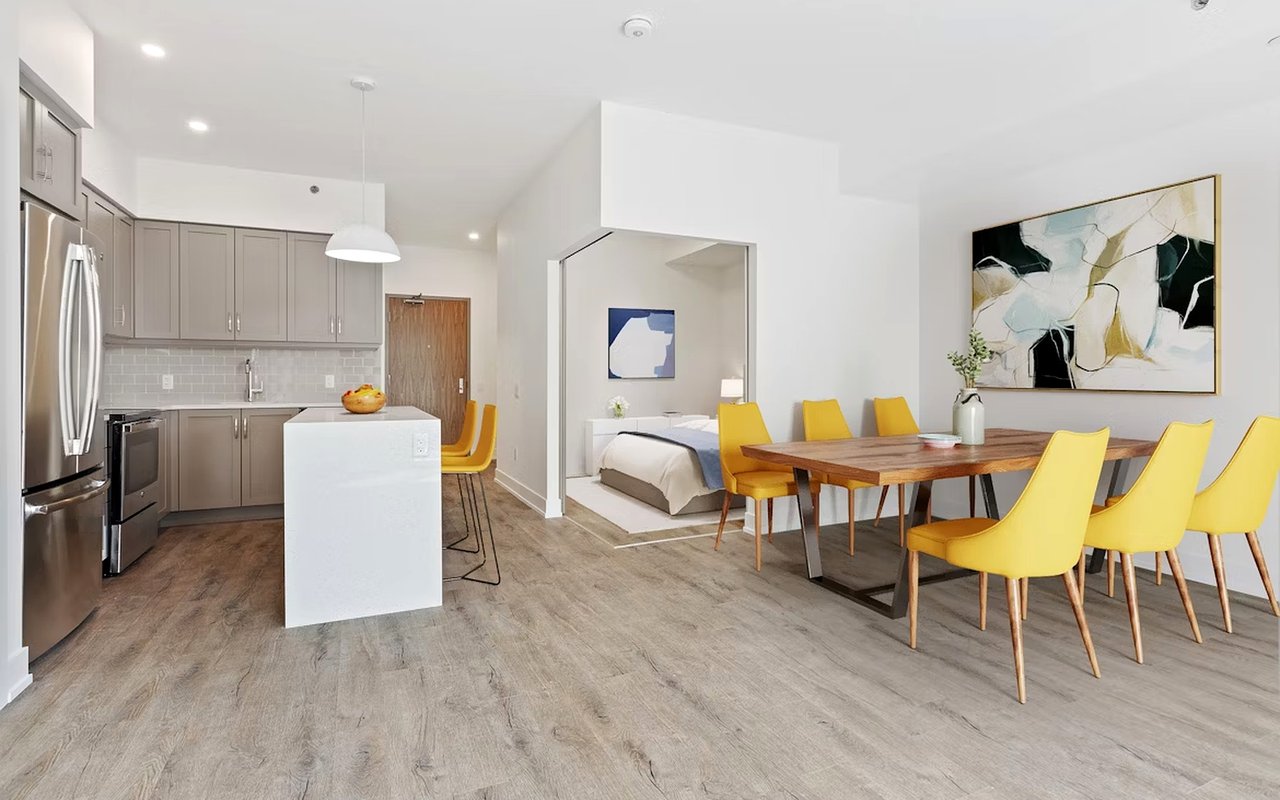
When a room needs to serve more than one purpose, which is common in open-plan homes and smaller brownstone layouts, pieces that earn their keep in multiple ways stop being a compromise and start being a smart design choice.
Sofa beds have come a long way, offering comfortable sleeping surfaces and stylish profiles that don't look like an afterthought. Dining tables with extension leaves give you flexibility for hosting without permanently occupying space. Storage ottomans, platform beds with built-in drawers, and coffee tables with lift tops all address the real shortage in most Brooklyn homes: storage.
If you're browsing Brooklyn furniture shops, it's worth asking specifically about pieces designed for New York living. Stores often stock lines from makers who design for small-footprint spaces, and the staff there tend to understand the specific spatial constraints Brooklyn buyers face.
Multi-Functional Pieces Worth Considering
-
Sofa beds or sleeper sofas that work as your primary seating and double as a guest room without requiring a dedicated bedroom.
-
Extendable dining tables that seat four comfortably day-to-day and expand for larger gatherings.
-
Beds with under-bed storage drawers to offset the lack of closet space in older buildings.
-
Nesting side tables that take up less visual and physical space than a single large coffee table.
-
Benches at the foot of the bed or end of a hallway that provide seating, storage, and a landing zone for bags and shoes.
FAQs
What Types of Furniture Work Best in a Brooklyn Brownstone?
Brownstones respond best to furniture with warmth, character, and proportions that match the building's original bones. Mid-century modern pieces, transitional styles, and furniture with wood accents and quality upholstery all tend to complement the moldings, high ceilings, and hardwood floors typical of these homes. Avoid extremely low-profile contemporary pieces that can look disconnected from the architecture.
How Do I Make a Small Space Feel Larger With Furniture?
The most effective approach is to choose fewer, well-proportioned pieces rather than many small ones and to size up on area rugs so they visually anchor the space. Furniture with exposed legs rather than skirted bases allows light to pass underneath, which makes rooms feel more open. Mirrors positioned opposite windows also amplify natural light and create the perception of depth.
What's the Best Way to Arrange Furniture in an Open-Plan Brooklyn Loft?
In open-plan spaces, use area rugs, furniture groupings, and shelving units to define distinct zones for living, dining, and working. Place your largest furniture pieces — typically the sofa and dining table — first to establish the layout, then build around them. Avoid pushing all furniture against the walls; floating a sofa in the room with a rug underneath creates a more intentional, finished look.
Make Every Square Foot Work for You
Furnishing a Brooklyn home well is one of the more rewarding parts of owning in this borough. The homes here have character, and when the furniture you choose is in dialogue with that character, the results are remarkable. It takes a little more planning than dropping into a big-box store and filling a cart, but the payoff is a home that feels intentional, livable, and distinctly yours.
Our team at
Poljan Properties works with buyers across Brooklyn's neighborhoods every day, and we're happy to connect you with the resources, contacts, and local knowledge to help you settle into your home well. Reach out to us to get started.