Living in Tribeca NYC: A Guide for Manhattan Buyers
May 28, 2026
May 28, 2026
Wondering if Tribeca lives up to the reputation? If you are considering a move to Lower Manhattan, this neighborhood often stands out for its loft buildings, riverfront access, and polished downtown feel. The good news is that Tribeca offers a distinct mix of historic character, everyday convenience, and strong transit connections. Let’s take a closer look at what it is actually like to live there.
Tribeca is part of Manhattan Community District 1, along with areas like Battery Park City, the Financial District, and Seaport/Civic Center. While many people still associate downtown Manhattan with offices and business activity, Tribeca feels more residential than that image suggests.
That shift is backed by local data. Community Board 1 reported that Tribeca’s population grew by 15.6 percent from 2010 to 2020, reaching 20,806 residents. In day-to-day terms, that growth helps explain why the neighborhood feels lived-in, established, and active beyond the workday.
Another part of Tribeca’s identity is its street layout. City Planning notes that broad north-south streets like Hudson, Greenwich, and Varick give the area a different rhythm from tighter parts of downtown. As you walk through the neighborhood, that wider, more open feel can make Tribeca seem calmer and less compressed than some nearby areas.
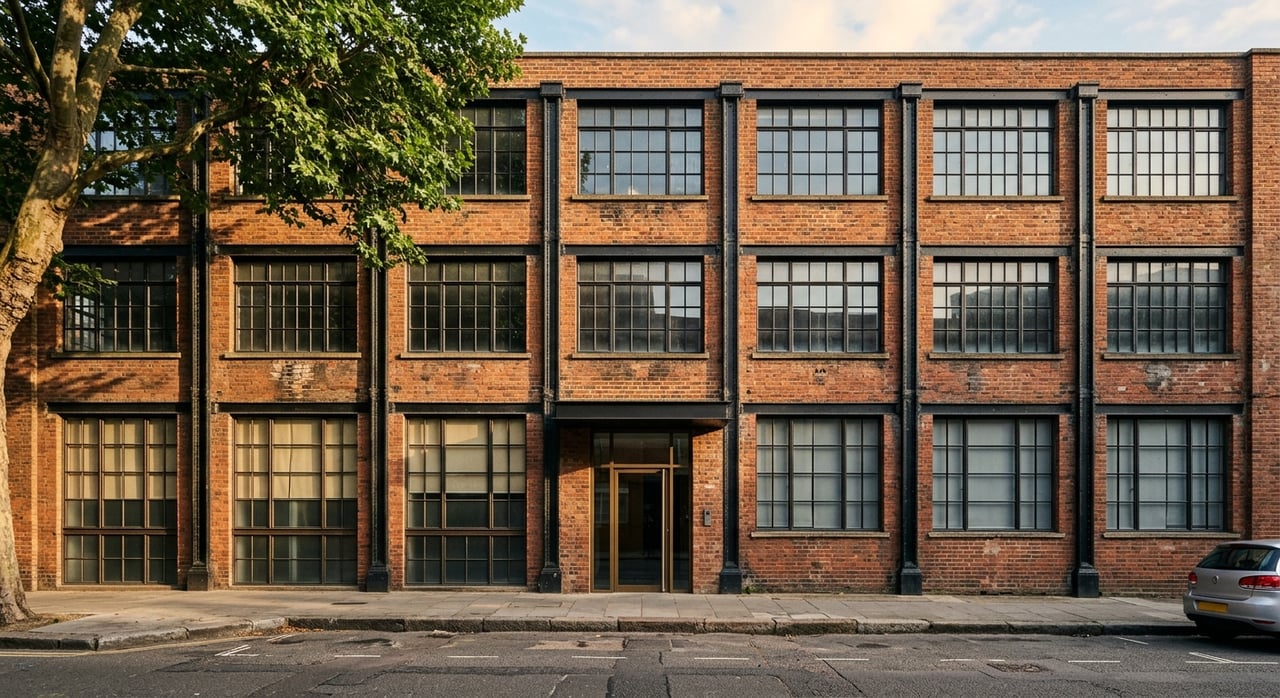
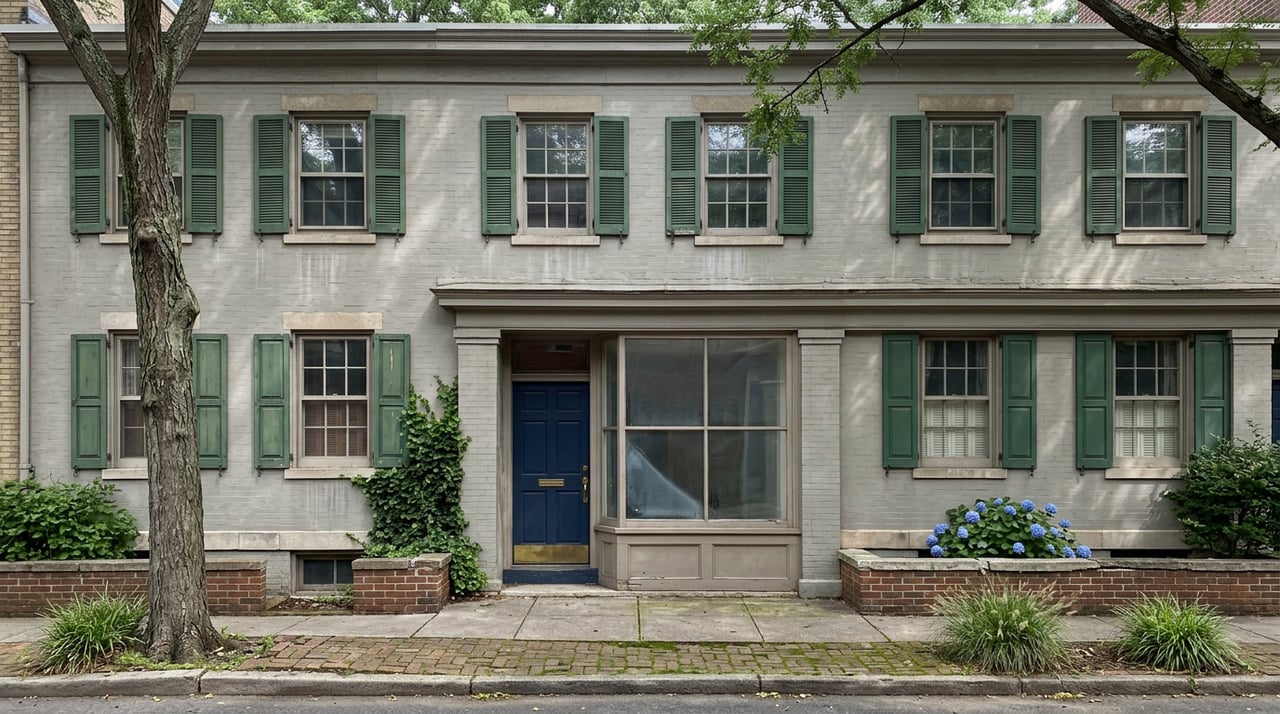
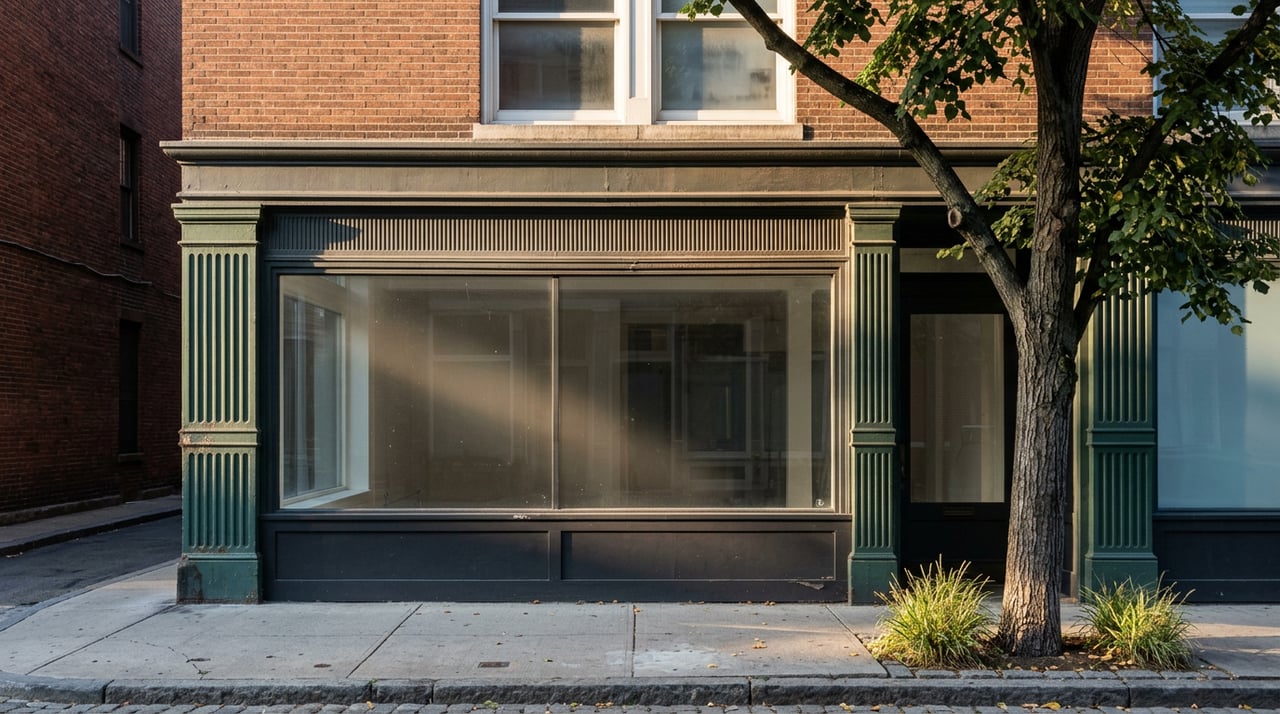
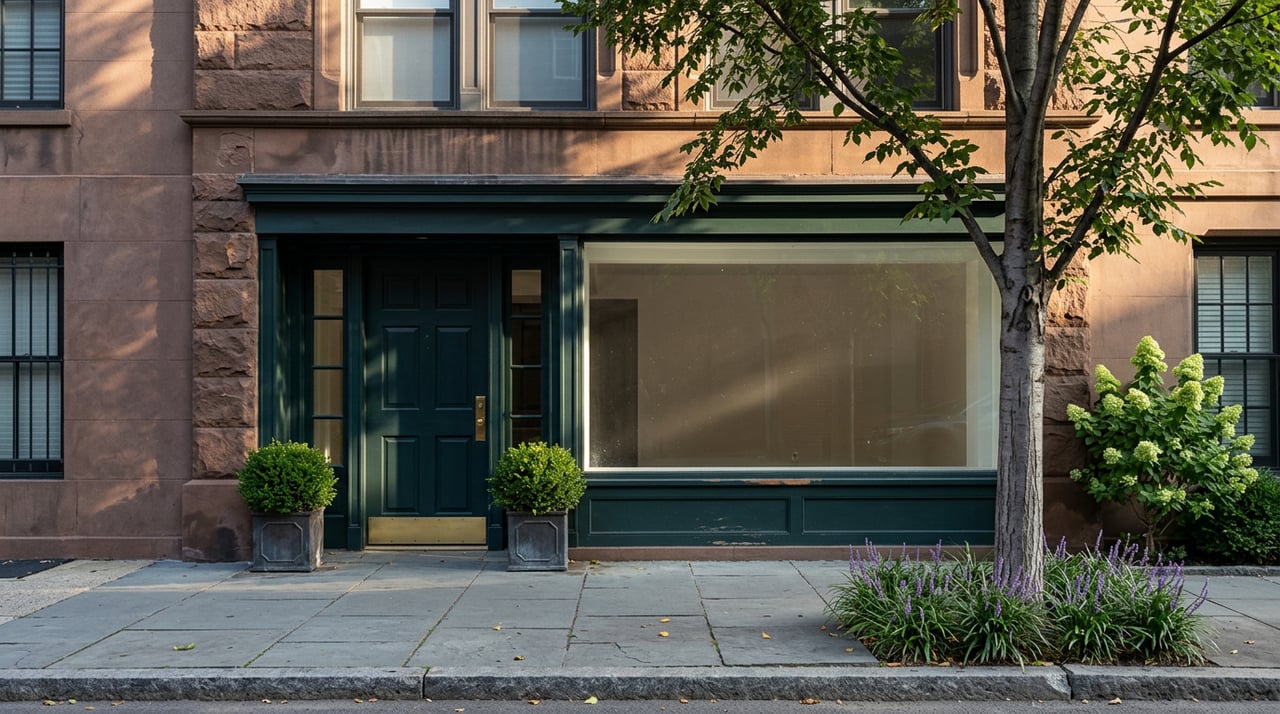
A big part of living in Tribeca is the housing stock itself. The neighborhood has long been known for former industrial and commercial buildings that have been adapted for residential use, and many blocks still reflect that history.
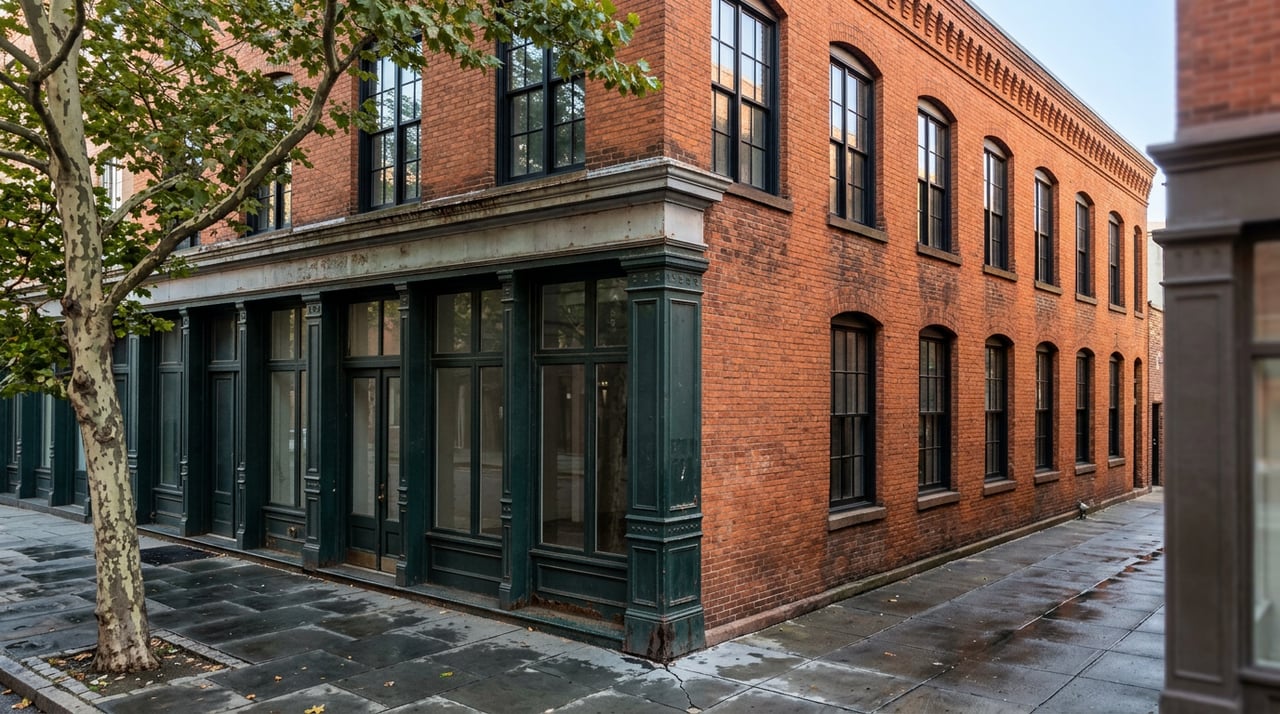
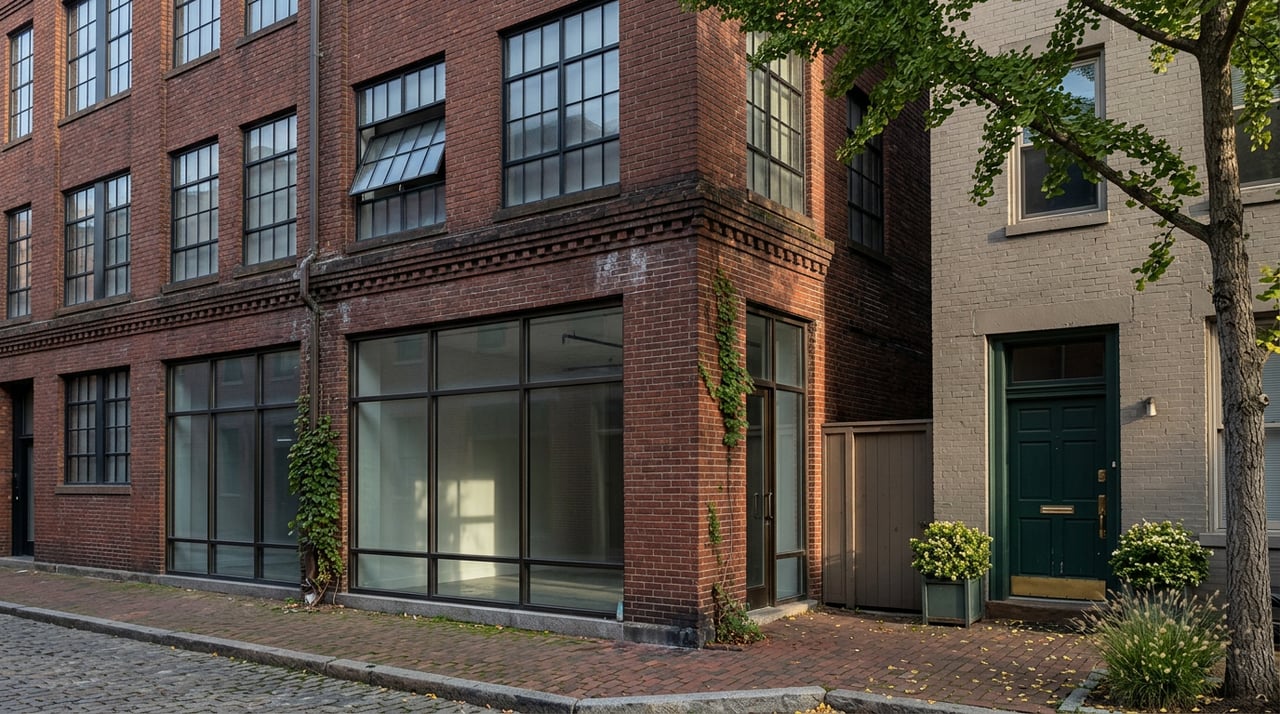
City Planning describes the area as historically filled with store-and-loft buildings, factories, and warehouses. Between Broadway and Church Street, many blocks are still defined by five- to six-story buildings, while west of Sixth Avenue the buildings tend to be taller and larger. That creates a streetscape with real variety, from classic loft-style architecture to more modern residential development.
For buyers, this means Tribeca does not feel one-note. You may see landmark conversions, cast-iron details, and warehouse-scale proportions on one block, then newer condo product nearby. If you value architecture and visual texture, Tribeca offers a layered housing environment that feels distinctly New York.
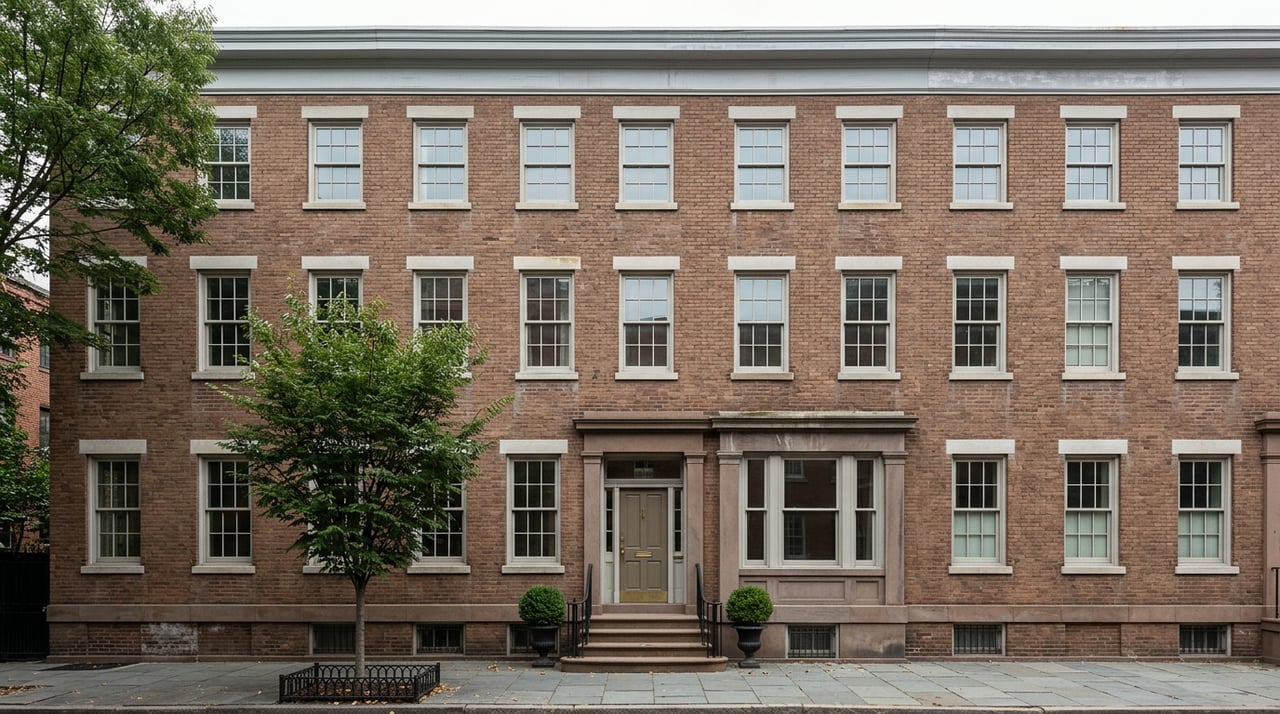
Tribeca is also known for its historic districts. The Landmarks Preservation Commission map shows multiple Tribeca historic districts, including West, North, East, South, and the South Extension.
That matters if you are buying in a landmarked building or district. According to the Landmarks Preservation Commission, exterior alterations in historic districts generally require commission approval. For some buyers, that added oversight supports neighborhood character. For others, it is an important practical factor to understand before you purchase.
Tribeca is widely considered a premium Manhattan market, and pricing reflects that. Third-party market trackers cited in the research place Tribeca in the upper tier of New York City neighborhoods, with Redfin reporting a March 2026 median sale price of $3.7 million.
That does not mean every property fits one price band, but it does mean you should expect a higher entry point than in many other neighborhoods. For buyers, the tradeoff is often location, building character, river access, and a highly recognizable downtown identity.
One of the clearest perks of living in Tribeca is how close you are to Hudson River Park. The Tribeca section of the park runs from Chambers Street to Canal Street and centers on Piers 25 and 26.
Pier 25 includes a marina, skatepark, sailing, a playground, mini golf, beach volleyball, an oyster bar, and dog-friendly space. Pier 26, which opened in 2020, adds native plantings, a Tide Deck, lawn space, boardwalks, kayaking, and a dog park. That range of amenities gives the neighborhood a recreational edge that is easy to work into everyday life.
Hudson River Park reports more than 17 million visits each year across the full park. In practical terms, that helps explain why the waterfront does not feel like an afterthought. It functions as a major part of the neighborhood experience, whether you want a walk by the river, outdoor space, or activities close to home.
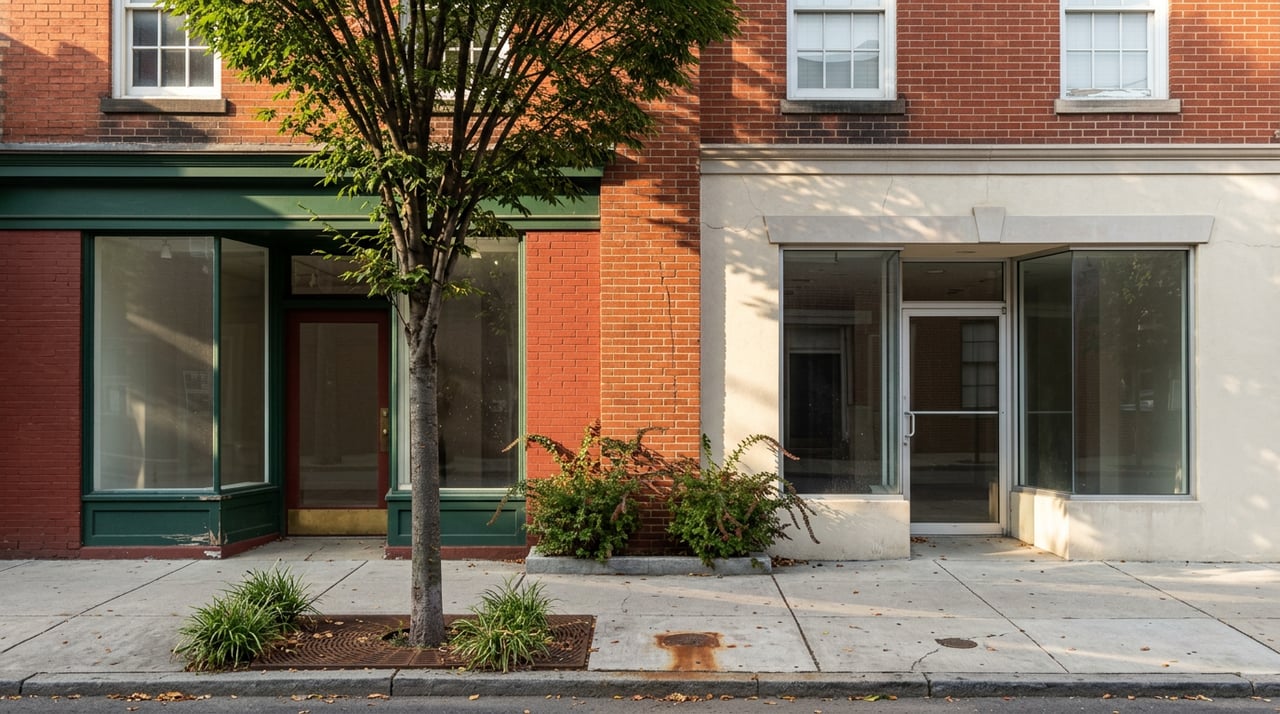
Living in Tribeca also means you can handle many daily needs without going far. The Downtown Alliance’s shop-and-dine guide lists grocery options including Amish Market Tribeca on Park Place and Whole Foods on Greenwich Street.
That kind of access matters in real life. When a neighborhood supports grocery runs, dining, and basic shopping within Lower Manhattan, it becomes easier to maintain a walkable routine. If convenience is high on your list, Tribeca checks an important box.
Tribeca has a dining scene that works for both regular weeknights and planned nights out. NYC Tourism highlights neighborhood options that include American tavern fare at Smyth Tavern, Indian cuisine at Tamarind Tribeca, Greek fare at La grecque Ouzerie & Taverna, and an upscale bar program at Brandy Library.
The bigger takeaway is variety. Tribeca is not limited to one dining identity, and that gives the neighborhood a more flexible lifestyle appeal. You can keep things casual, go out for a more polished evening, or mix both into your weekly routine.
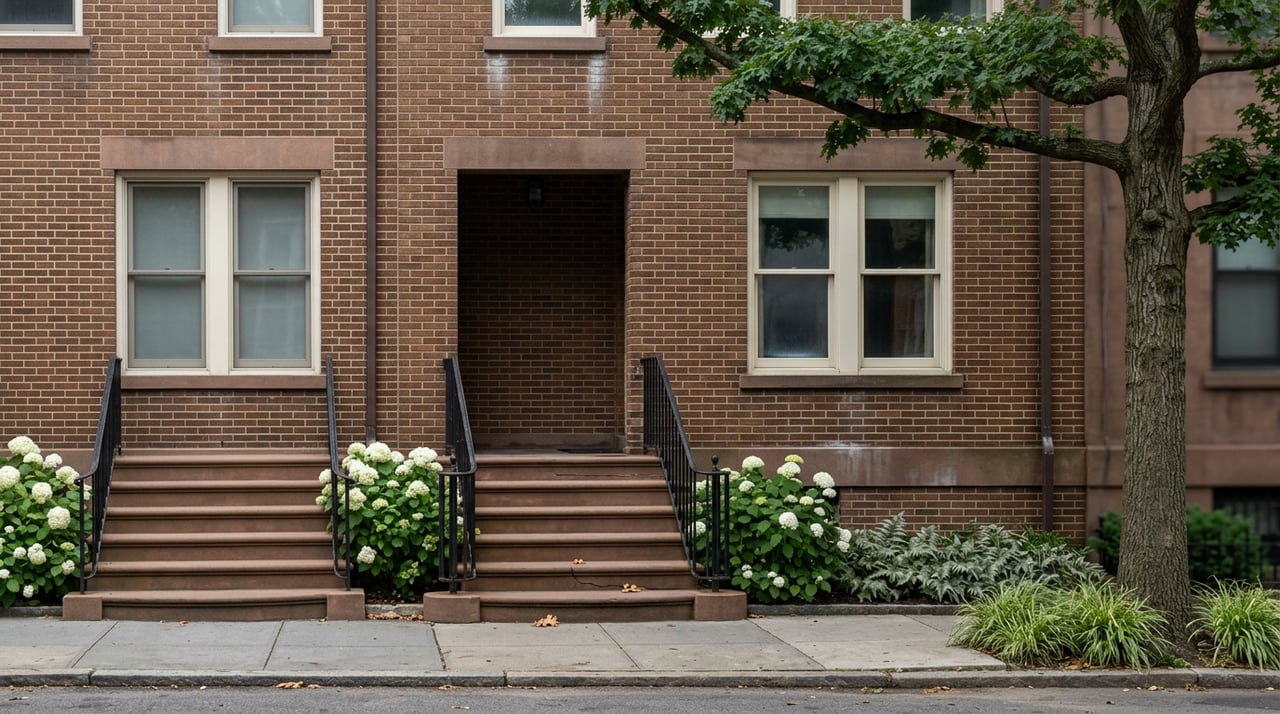
Beyond restaurants, the neighborhood often appeals to people who want a polished but not overly hectic downtown environment. With residential blocks, riverfront recreation, and strong food options, Tribeca tends to balance energy and comfort in a way many buyers find appealing.
Transit access is one of Tribeca’s strongest practical advantages. MTA materials show that Canal Street and nearby downtown stations provide broad subway coverage, while the Chambers Street, World Trade Center, and Park Place complex offers access to the A, C, E, 2, 3, R, and W lines.
Hudson River Park’s Pier 26 page also lists nearby 1, 2, 3, A, C, and E service. That level of connectivity can make commuting to other parts of Manhattan easier and gives you multiple options depending on where you are headed.
If you work downtown or in Midtown, Tribeca often makes sense from a transit standpoint. It also works well if you want a walkable daily routine with strong subway access instead of relying heavily on a car.
Tribeca tends to appeal most to buyers who want several things at once:
It may be a strong fit if you value architecture, want access to outdoor space along the water, and prefer an area that feels established rather than purely commercial. It is also worth considering if you are comfortable with the realities of landmark rules in some areas and a premium price point.
On the other hand, Tribeca may not be the right match if your top priority is maximizing space for a lower purchase price. As with any Manhattan neighborhood, fit comes down to your budget, your routine, and the kind of daily environment you want around you.
In simple terms, living in Tribeca means being in a neighborhood where old industrial architecture meets modern residential life. You get broader streets than in some parts of downtown, direct access to a major waterfront park, and a built environment that feels both historic and highly current.
For many buyers, that combination is the draw. Tribeca offers a downtown Manhattan address with a more settled, residential feel than people sometimes expect. If that blend of design, convenience, and riverfront lifestyle matches your goals, Tribeca is easy to understand as a long-term home base.
If you are exploring Tribeca or comparing it with other Manhattan and Brooklyn neighborhoods, working with a local, thoughtful advisor can help you narrow the options with confidence. Poljan Properties offers boutique guidance, neighborhood insight, and a client-first approach to help you make a smart move.
Stay up to date on the latest real estate trends.
Poljan Properties was founded in 2012 with a passion to provide New Yorkers and newcomers with exceptional personalized service, advice, and uncompromised loyalty. We work tirelessly for the best outcomes for our clients and do so with the greatest integrity and kindness.