By Poljan Properties
If you've ever tried to work from a corner of the kitchen table or a makeshift setup in the living room, you already know how much your environment shapes the quality of your work. A dedicated home office has gone from a nice-to-have to a genuine necessity, and the way that space is designed has a direct impact on how focused, motivated, and comfortable you feel throughout the day.
Getting the balance right between function and aesthetics takes more thought than most people expect, but the payoff is a workspace that supports your best output without making you feel like you're sitting in a sterile cubicle.
What makes a home office genuinely work is that it has to serve you on multiple levels at once. The layout has to support how you actually use the space; the furnishings have to hold up to daily demands; and the visual environment has to feel comfortable enough that you want to show up there every morning. Too many home offices are designed with only one of those priorities in mind, which is why so many feel either cold and clinical or pleasant but impractical. The goal is to get both right simultaneously.
Whether you're setting up a dedicated room, carving out a corner of a larger space, or somewhere in between, the principles of a well-designed home office stay consistent. It's about making intentional choices, layering in details that support both your work habits and your personal taste, and building a space that grows with you rather than one you outgrow in six months.
Key Takeaways
-
Ergonomics and proper lighting are the foundation of any productive home office, regardless of budget.
-
Storage and organization should be built into the design from the beginning, not added as an afterthought.
-
Your furniture choices set the tone for the entire space; investing in a quality desk and chair pays off in long-term comfort and productivity.
-
Personalizing your workspace with art, plants, and thoughtful decor keeps the space motivating without becoming distracting.
-
Even a small or awkward space can be transformed into a high-functioning home office with the right approach to layout and design.
Start With Ergonomics, Not Aesthetics
The most common mistake people make when designing a home office is starting with how the space will look rather than how it will function. Aesthetics matter, but they should always be layered on top of a solid ergonomic foundation. If your chair hurts your back after two hours or your monitor is positioned at the wrong height, no amount of decor will compensate for the discomfort.
Your desk height is the starting point. When seated, your elbows should rest at approximately a 90-degree angle with your forearms parallel to the floor. Most standard desks are designed for an average height range, which means taller or shorter users may need an adjustable-height desk. Standing desks have become increasingly popular not because they eliminate sitting but because they give you options throughout the day; alternating between sitting and standing reduces fatigue and keeps energy levels more consistent over long work sessions.
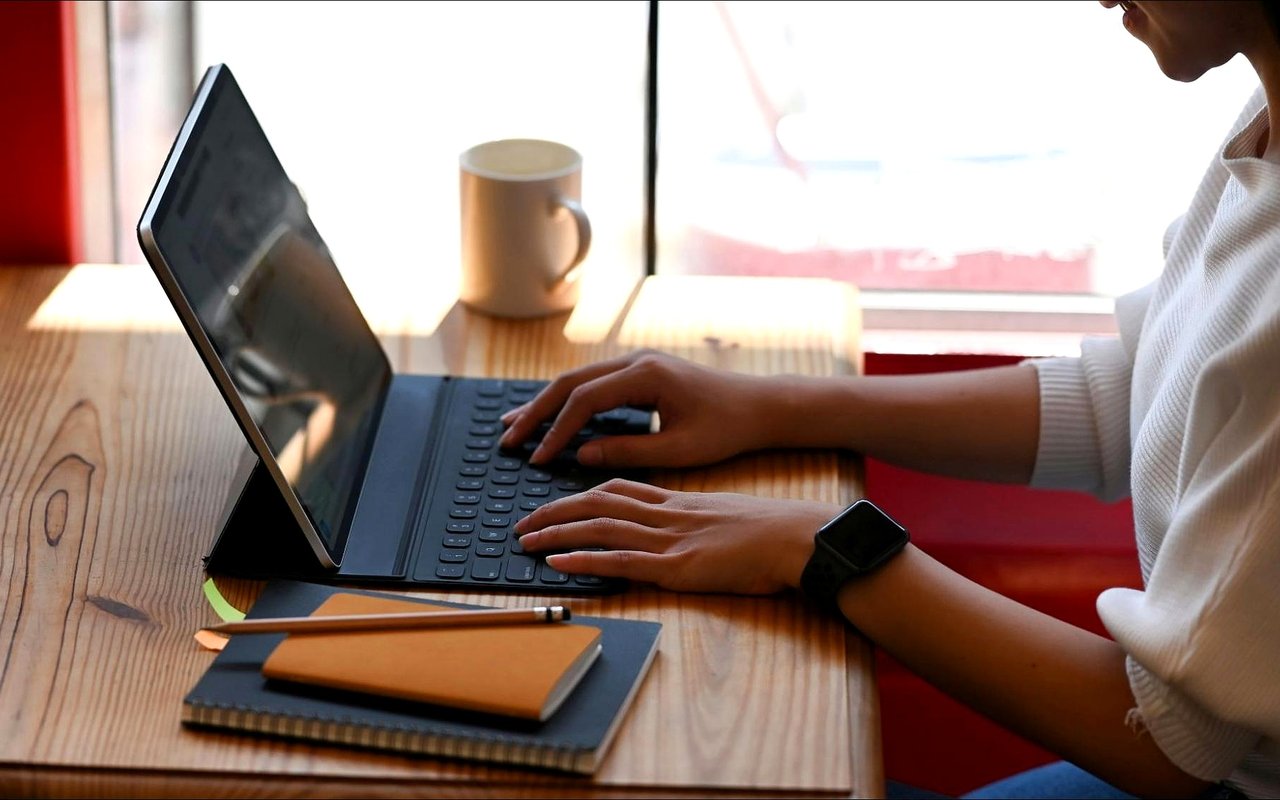
The chair deserves equal attention. A quality ergonomic chair with lumbar support, adjustable armrests, and seat height control is essential. Beyond the chair, monitor placement matters just as much. The top of your screen should sit at or just below eye level, roughly an arm's length away. If you work from a laptop, a separate monitor — or a laptop riser combined with an external keyboard — dramatically improves your posture and reduces neck strain.
Ergonomic Essentials to Prioritize
-
An adjustable-height desk or a fixed desk at the correct height for your needs.
-
A chair with lumbar support, adjustable armrests, and a seat depth that keeps your feet flat on the floor.
-
A monitor positioned at eye level, with a separate keyboard and mouse if you use a laptop.
-
A footrest if your feet don't rest comfortably flat when seated at the correct desk height.
-
A document holder or second monitor stand, if you frequently reference materials while working.
Lighting That Actually Works
Lighting is one of the most underestimated elements of a home office design, and getting it wrong affects both your well-being and the quality of video calls. The goal is to layer multiple light sources so that the space feels bright and natural without creating glare, harsh shadows, or eye strain.
Natural light is your best starting point. Position your desk so that daylight comes from the side rather than directly behind or in front of you. Side lighting is flattering, reduces squinting, and creates a more comfortable visual environment throughout the day. If your space is limited in natural light, daylight-balanced LED bulbs can closely replicate the quality and tone of natural light.
Overhead lighting alone is rarely sufficient in a home office. It flattens the space, creates unflattering shadows on your face during calls, and typically isn't bright enough for focused desk work. Supplement it with a dedicated task light at your desk that you can direct exactly where you need it. A lamp in the corner of the room or mounted on a shelf behind you adds warmth and fills in shadows without washing out the space.
Lighting Layers to Build Into Your Design
-
Primary ambient lighting from overhead fixtures, ideally on a dimmer to adjust throughout the day.
-
A high-quality task lamp at your desk with adjustable positioning and a daylight-balanced bulb.
-
A secondary light source behind or beside you to fill shadows and create warmth on video calls.
-
Blackout or light-filtering shades if your windows create glare on your monitor at certain times of day.
-
Accent lighting on shelves or along baseboards to add dimension and visual interest after dark.
Furniture That Works as Hard as You Do
Once the ergonomic and lighting groundwork is in place, the furniture choices you make will define both the usability and the aesthetics of the space. The desk is the centerpiece, and the options range widely in size, material, and price point. A solid wood desk brings warmth and durability; a lacquered or painted finish feels cleaner and more contemporary; a glass top works in modern spaces but shows every fingerprint and scratch over time. The right choice depends on your style preferences and how you actually use the surface.
Storage is the area where most home offices fall apart. Without enough of it, the desk becomes a dumping ground for papers, cables, and supplies, which makes it harder to focus and harder to keep the space looking pulled together. Built-in shelving on the wall above or beside your desk maximizes vertical space without taking up floor area. Filing cabinets don't have to be institutional; there are plenty of options with clean lines and quality finishes that hold their own aesthetically.
Seating beyond your desk chair is worth considering if your space allows. A small reading chair in the corner gives you a place to step away from the screen for calls, reading, or brainstorming without leaving the room. That separation between "screen work" and "thinking work" can significantly improve how you use the space and how you feel at the end of the day.
Furniture Pieces That Elevate Function and Style
-
A desk with enough surface area for your actual workflow.
-
A credenza or lateral filing cabinet that handles storage while contributing to the room's aesthetic.
-
Open shelving above the desk for books, supplies, and decorative objects that keep the space feeling personal.
-
A comfortable secondary seating option if square footage allows.
-
A quality area rug to define the workspace and add warmth, especially in rooms with hard flooring.
Personalizing Without Distracting
The most functional home office in the world will feel uninspiring if it has no personality. The challenge is finding the balance between meaningful personalization and visual clutter.
Art is one of the most effective ways to bring character into a home office. A single large print or painting on the wall behind your desk creates a focal point that's visible during video calls and gives the room a finished, intentional quality. Choose something that genuinely resonates with you rather than something that simply looks "professional." The goal is a space that feels like yours, and the art you select should reflect that.
Plants are another straightforward addition that pays outsized dividends. Beyond the visual appeal, research consistently links the presence of plants to reduced stress and improved concentration. You don't need a green thumb to maintain a few well-chosen varieties; low-maintenance options like pothos, snake plants, and ZZ plants thrive in office conditions with minimal care. A few plants on a shelf, the corner of the desk, or in a floor planter beside the window change the feel of a room more than most other additions at a comparable price point.
Personalization Ideas That Enhance Without Overwhelming
-
A curated gallery wall with art, prints, or photography that reflects your aesthetic and interests.
-
One or two statement plants that bring life and texture into the room without taking up valuable desk space.
-
A few well-chosen objects on open shelving, books, ceramics, or collected items that carry meaning.
-
A color palette that feels calm and focused; cool blues and greens, warm whites, and earthy neutrals all work well in work environments.
-
A small tray or dish to corral everyday items like pens, a phone charger, and a notepad.
FAQs
How Do I Design a Home Office in a Small Space?
Smaller spaces benefit most from a vertical approach. Wall-mounted shelving, a compact desk, and a slim-profile chair take up far less floor space than furniture designed for larger rooms. A fold-down wall desk is an excellent option for spaces where the office needs to disappear when not in use. Keep the color palette light to make the space feel larger, and limit decorative objects to a few carefully chosen pieces so that the room doesn't feel overcrowded.
What Color Should I Paint a Home Office?
The best paint color for a home office depends on how you work and what helps you focus. Cool tones like soft gray, sage green, and muted blue are popular choices because they create a calm, focused atmosphere without feeling stark. Warm whites and off-whites work well if you want a lighter, more neutral backdrop that allows furniture and art to take center stage. Darker, moodier colors like charcoal or forest green can work beautifully in a home office if the room has plentiful natural light and you enjoy a more enveloping atmosphere.
How Important Is a Dedicated Room for a Home Office?
A dedicated room is ideal but not essential. What matters most is that the space has a clear purpose and is designed to support focused work. A well-designed office corner in a living room or bedroom can be just as functional as a separate room, particularly if it has defined boundaries through furniture placement, a rug, or a bookshelf used as a room divider. The key is that when you're in that space, your brain associates it with work, and when you leave it, you're able to mentally step away.
Your Most Productive Space Starts Here
A well-designed home office is one of the most valuable investments you can make in your daily quality of life. When the space works the way it should, getting started in the morning is easier, staying focused comes naturally, and ending the day with a sense of accomplishment becomes the norm rather than the exception.
If you're hoping to find the right home in Brooklyn for your office setup, we would love to help you find a property with the right footprint for the workspace you have in mind. Reach out to us at
Poljan Properties, and let's start exploring what's possible.