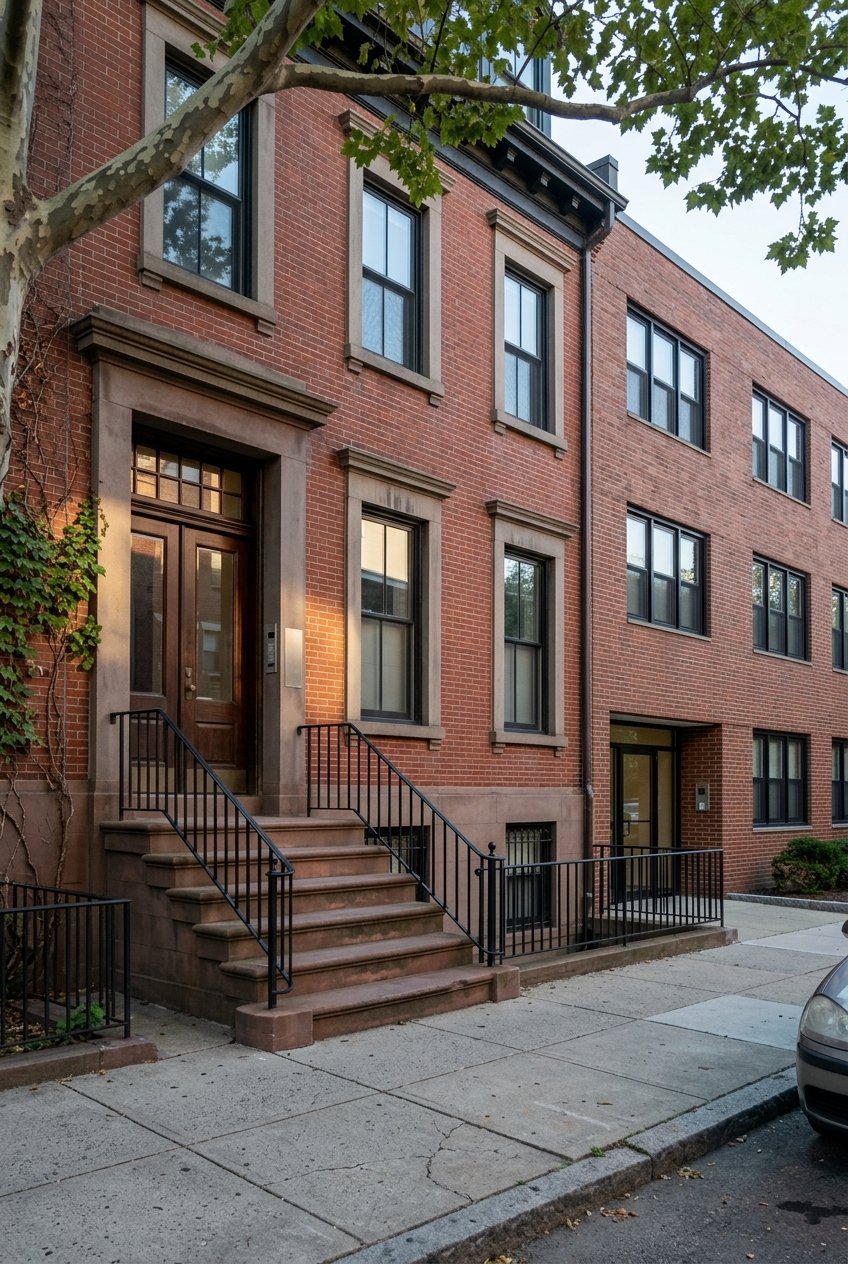
Park Slope Townhouse vs Condo: How to Choose
April 23, 2026
April 23, 2026
Wondering whether a townhouse or condo makes more sense in Park Slope? You are not alone. In a neighborhood known for classic rowhouses, historic blocks, and a mix of apartment buildings along larger corridors, the right choice often comes down to how you want to live, what you want to manage, and how you want your monthly costs to work. This guide will help you compare the tradeoffs clearly so you can search with more confidence. Let’s dive in.
Park Slope is widely known for its late-19th- and early-20th-century rowhouses and for having one of New York City’s earliest and largest historic districts. According to NYC Planning, the neighborhood sits west of Prospect Park and is bounded by Flatbush Avenue, 15th Street, Fourth Avenue, and Prospect Park West.
That physical layout matters when you compare property types. The same Park Slope planning materials note that Fifth and Seventh Avenues are major commercial corridors, while Fourth Avenue is more suited to larger apartment-house development and higher density. In practical terms, that often means townhouse and brownstone inventory is more common on residential midblocks, while condo inventory is more likely to appear in larger buildings or newer development corridors.
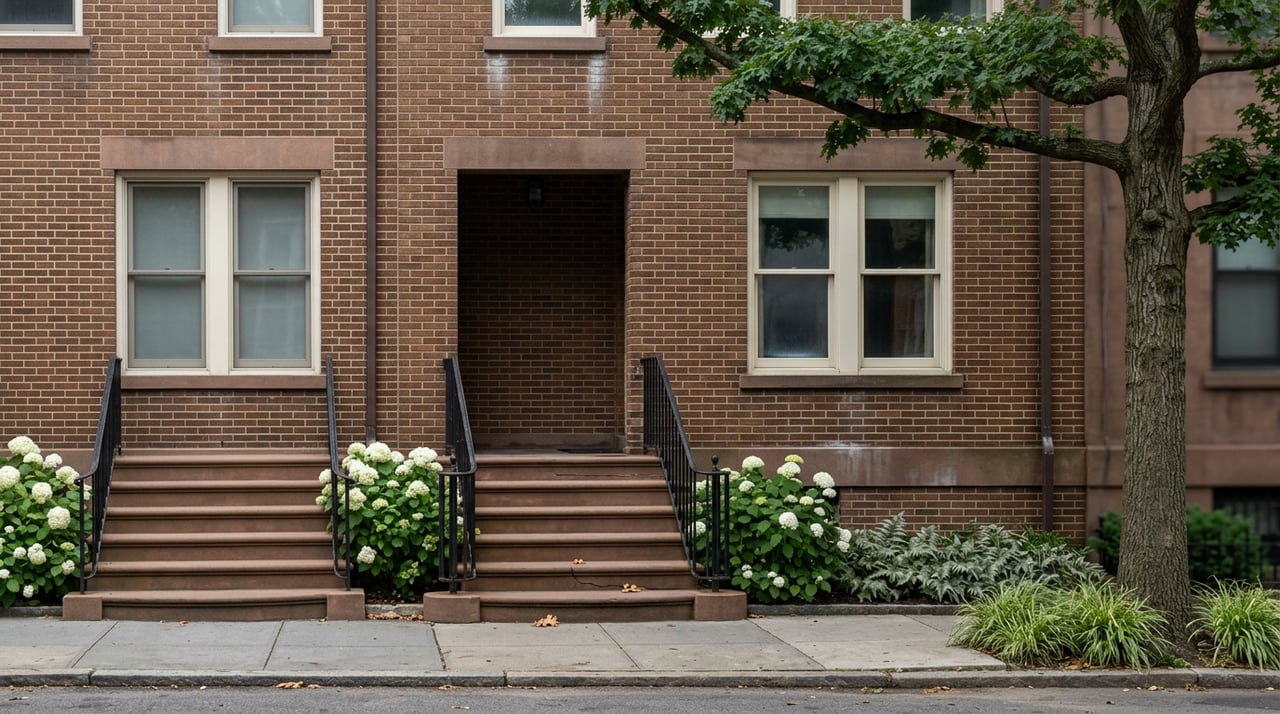
In everyday conversation, Park Slope buyers often use “townhouse” and “brownstone” almost interchangeably. A townhouse is generally an attached house with multiple levels, while a brownstone refers to a house finished in brownstone material, according to Britannica.
A condo is different because you are usually buying an individual unit within a larger building. Under New York condominium rules, owners hold title to their unit plus an interest in the common elements, and the building is governed by a Board of Managers under the condo’s bylaws and declaration, as explained by the New York State Attorney General.
For you as a buyer, the biggest distinction is not just how the property looks from the street. It is how ownership works. A townhouse search is usually about evaluating one specific house with its own condition, layout, and maintenance history. A condo search is usually about evaluating both a unit and the building structure around it.
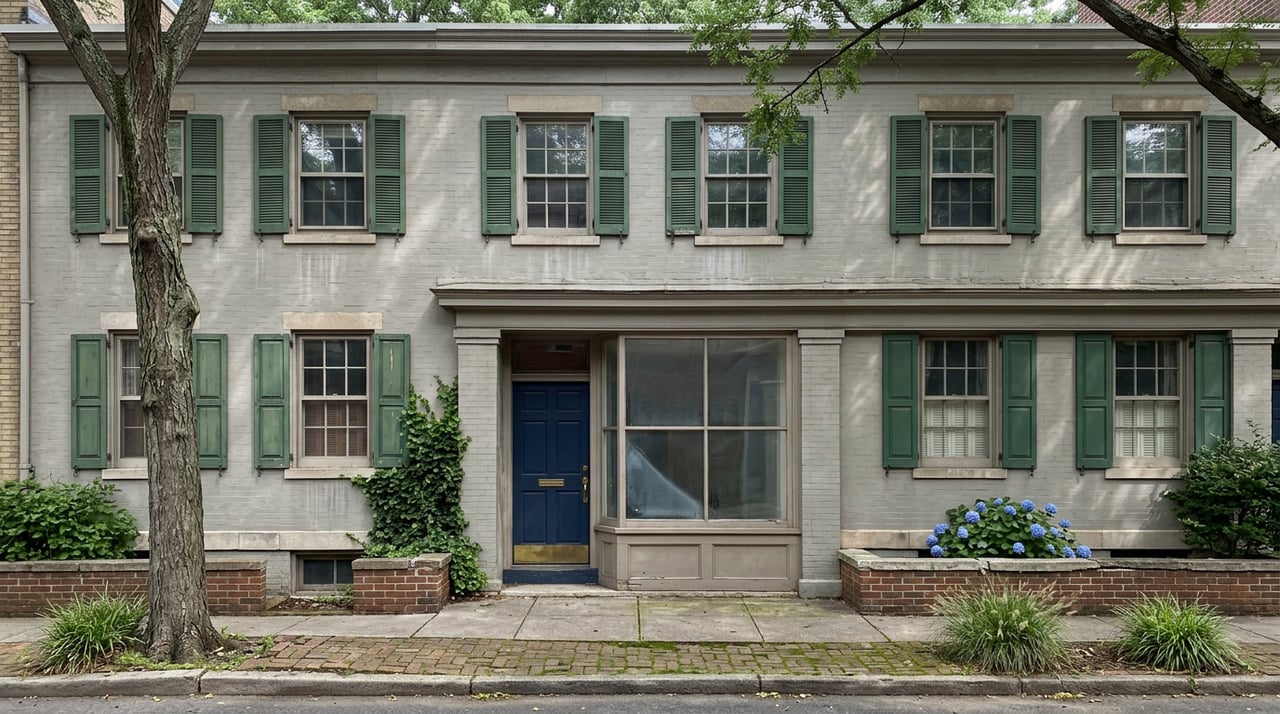
Park Slope townhouses are usually more vertical, which means you are often living across multiple floors rather than on one level. NYC Planning describes blocks in the historic core that include rowhouses and flats buildings, with some four- and five-story rowhouse forms.
That can give you more room-by-room flexibility. It can also mean you need to think carefully about stairs, circulation, and how you will actually use each level day to day. If you like the idea of a full house and more direct control over the property, a townhouse may feel like the better fit.
With a condo, your experience is shaped not only by the unit itself but also by the building’s systems and governance. The Attorney General’s condo-buying guidance recommends reviewing the building’s physical condition, including the facade, roof, floors, appliances, elevators, heating and cooling systems, windows, wiring, and plumbing.
This often creates a more standardized buying process. Instead of comparing one house to another house with very different histories, you may be comparing units inside a shared structure. If you want a setup where some responsibilities are shared across the building, a condo can be appealing.
One of the clearest differences is how decisions get made.
With a townhouse, you usually have more direct autonomy over the property. At the same time, you also take on more direct responsibility for maintenance, repairs, and planning future work. That can be a major benefit if you want more control, but it also means fewer shared systems to lean on.
With a condo, building-wide decisions are handled through the board structure. The Attorney General notes that condo bylaws and declarations define the board’s powers, common-element rules, and allocation of expenses. In short, you have less unilateral control over building-wide matters, but you are also not managing everything alone.
In New York City, the tax picture depends in part on property class. The NYC Department of Finance states that most residential property with up to three units falls into class 1, while condos, co-ops, and larger residential buildings are generally class 2.
The city also publishes different assessment levels and tax rates for those classes. For Park Slope buyers, that means a townhouse may have a very different tax profile from a condo, especially if you are comparing a one- to three-family house against a condo unit in a larger residential building.
A condo’s monthly cost is not only about mortgage and taxes. You also need to factor in common charges and the building’s operating budget. In some cases, owner-occupied units may benefit from the NYC co-op and condo property tax abatement, which the city says can range from 17.5% to 28.1% annually for eligible class 2 developments.
That benefit can make a real difference in monthly carrying costs. It is worth confirming whether a specific condo qualifies, since the board applies on behalf of the building and eligibility is not universal.
If you buy a townhouse, you should expect to absorb more maintenance responsibilities yourself. The Attorney General notes that older buildings often need repairs over time, and major expenses can include facade work, roofing, plumbing replacement, electrical upgrades, boiler replacement, and cosmetic work.
In Park Slope, this issue is especially important because of the neighborhood’s historic-district context. If the building is in a historic district, many exterior changes may require review by the Landmarks Preservation Commission.
According to the NYC Landmarks Preservation Commission, most exterior changes to the front and rear facades of historic-district buildings require review. The Commission evaluates whether proposed changes fit the historic character of the building and district.
That does not mean every repair is a major process. LPC also notes that some ordinary maintenance, such as replacing broken window glass, repainting to match the existing color, or caulking around windows and doors, may not require the same level of review. Still, if you are buying a Park Slope townhouse, exterior work can involve both cost and approval time.
A condo does not remove maintenance risk. It spreads that risk across the building. The Attorney General explains that condo boards must keep records of receipts and expenditures and issue an annual report, which makes those documents essential to understanding whether common charges may rise or whether larger repairs are ahead.
So while a condo may feel more predictable on paper, you still need to understand the building’s financial health. Shared maintenance can be easier to manage day to day, but it can also lead to rising costs if the building has deferred repairs or upcoming capital projects.
The neighborhood’s street pattern can shape your options more than many buyers expect. NYC Planning identifies Fifth and Seventh Avenues as major commercial corridors and notes stronger density along Fourth Avenue.
If you are drawn to classic house living, your search may naturally focus on the rowhouse-heavy interior blocks. If you prefer condo living, you may find more choices in larger apartment buildings or along corridors where newer development is more common. Neither is better by default. The question is which environment lines up with your priorities for space, upkeep, and convenience.
If you want to compare a Park Slope townhouse and condo efficiently, start with a few key questions:
These are the kinds of questions that help you move beyond surface appeal. A beautiful facade or stylish unit matters, but the ownership structure and cost profile will have a bigger impact on your long-term experience.
If you are still torn, try framing the decision this way:
In Park Slope, this is rarely just a style decision. It is a decision about control, maintenance, and how you want your monthly ownership costs to be structured.
If you want help comparing specific Park Slope options with a clear eye on layout, tax structure, building condition, and long-term fit, Poljan Properties can help you make a more informed move with thoughtful, neighborhood-focused guidance.
Stay up to date on the latest real estate trends.
Poljan Properties was founded in 2012 with a passion to provide New Yorkers and newcomers with exceptional personalized service, advice, and uncompromised loyalty. We work tirelessly for the best outcomes for our clients and do so with the greatest integrity and kindness.