Leave a Message

Thank you for your message. We will be in touch with you shortly.

Buying in Crown Heights’ Historic Districts

December 11, 2025

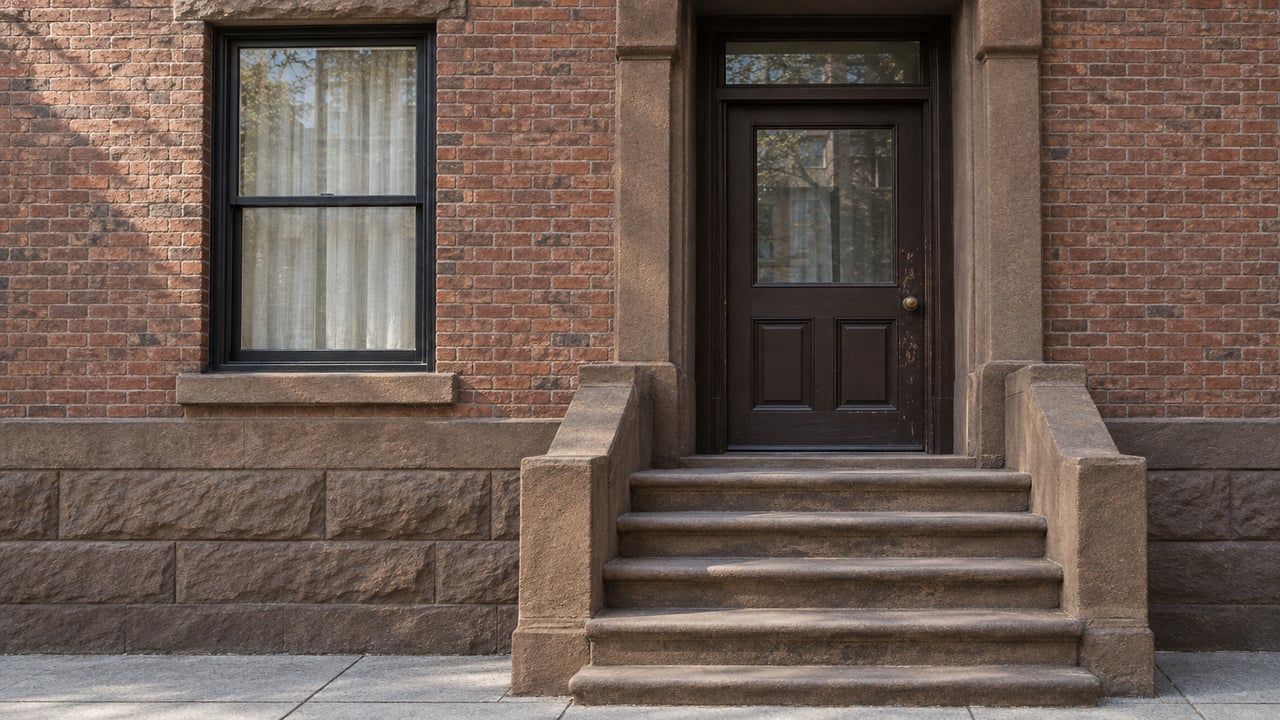
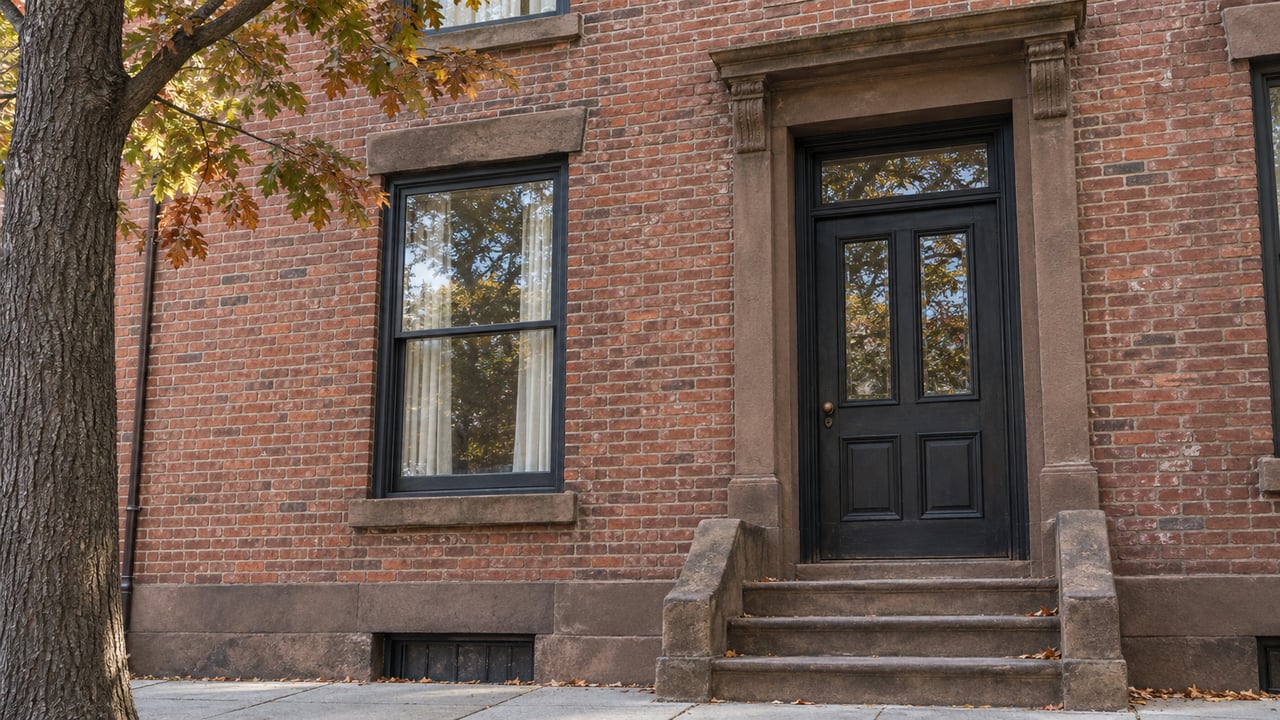
Thinking about a Crown Heights brownstone with original stoop, carved stonework, and tall windows? If it sits in a historic district, there are a few extra steps to take before you buy. The good news is that landmark protections help preserve the character you love. In this guide, you will learn how to confirm landmark status, what the Landmarks Preservation Commission controls, what timelines to expect, and how to plan your offer and renovation wisely. Let’s dive in.

Where the historic districts are

Crown Heights includes several New York City Landmarks Preservation Commission designated historic districts and individual landmarks. These areas are concentrated around late 19th and early 20th century rowhouses and prewar apartment buildings, including corridors along Eastern Parkway and nearby blocks.

Do not rely on neighborhood names alone. District boundaries and individual designations are set by the LPC and can include small pockets or single buildings. Always confirm status for a specific address before you make an offer.

Here is how to verify what counts:

  • LPC historic districts. Contributing buildings within a district have protected visible exteriors.
  • Individually designated landmarks. Protections apply to the designated building’s visible exterior.
  • National Register listings. These are primarily honorary at the local permit level unless a federal undertaking is involved. They can matter for certain federal incentives but do not replace LPC rules.

To confirm an address, check the LPC interactive map and designation reports, ask for copies of prior LPC permits or Certificates of Appropriateness, and have the listing agent confirm whether the building is contributing within a district.

What LPC controls on exteriors

LPC jurisdiction generally covers building exteriors that are visible from public streets, sidewalks, and parks. Interiors are not regulated unless the interior is separately designated.

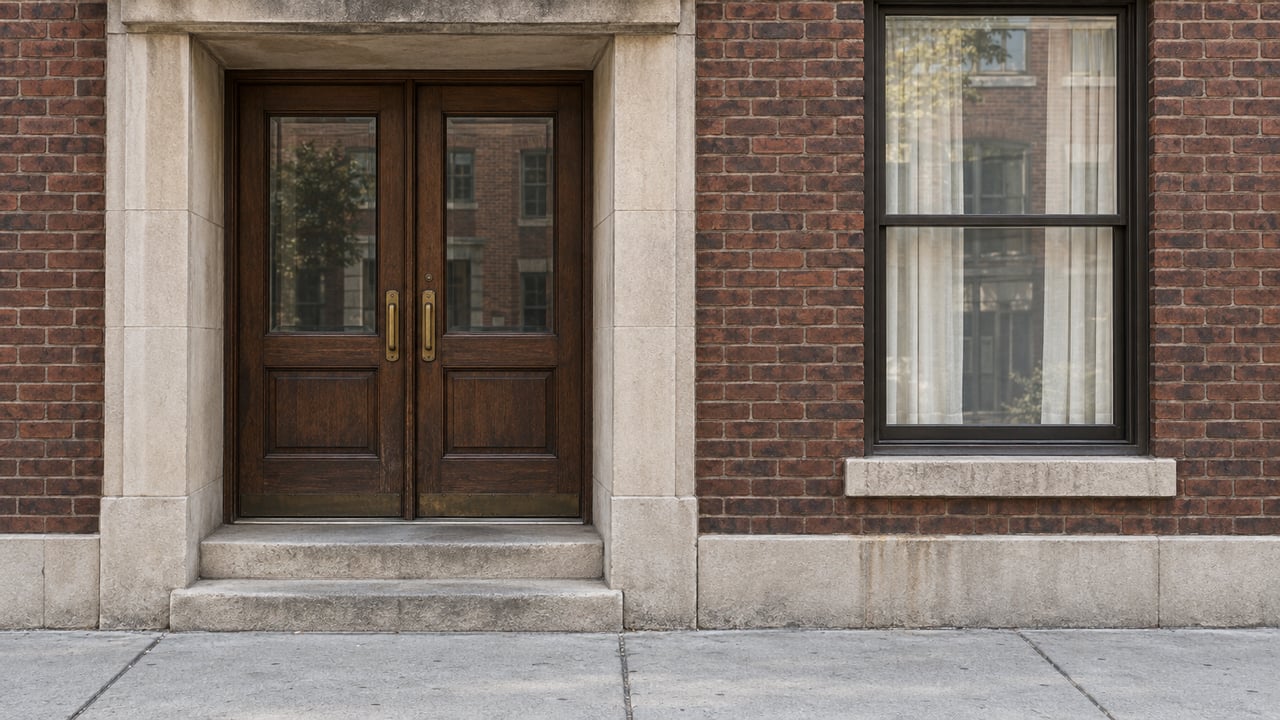
Typical regulated elements include facade materials such as brownstone, brick, and sandstone, stoops and brownstone work, cornices and parapets, doors and transoms, window openings and profiles, ironwork and fences, storefronts on mixed-use buildings, signage on facades, and visible rooftop additions and masonry treatment.

Maintenance vs alterations

Routine in-kind maintenance can often be approved at staff level, as long as you use appropriate materials and methods. This includes repointing with matching mortar or patching and repainting in existing colors.

Replacing historic windows or brownstone elements is different. Replacement often requires LPC review, and you may be required to match original materials and profiles to preserve the streetscape.

Emergency work and enforcement

If a condition is unsafe, emergency work can proceed to stabilize it. You should notify LPC and the Department of Buildings and file permits after the fact where required. Keep detailed records of conditions, communications, and repairs.

Unauthorized exterior work can lead to DOB stop-work orders, LPC violations, civil penalties, and orders to restore features. Plan ahead to avoid costly reversals.

Approvals and realistic timelines

Most visible exterior changes require LPC approval and a DOB permit. LPC looks at design appropriateness. DOB focuses on code compliance. Many projects need both, and DOB may hold permits until LPC signs off.

  • Staff-level reviews. Routine, in-kind, or well-documented changes are often handled by LPC staff and can be faster.
  • Commission hearings. Complex proposals, new visible bulk, or precedent-setting work may go to a public hearing for a Commission decision.

Plan for the following timing, subject to agency backlogs and the completeness of your submission:

  • Simple staff-level applications. A few weeks up to about two months.
  • Projects requiring a public hearing. About two to six months or longer, depending on complexity and community review.
  • After LPC approval. DOB review can add weeks to months, especially if structural or code upgrades are involved.

If you are buying with a renovation plan in mind, treat approvals as a schedule contingency. Your offer, closing timeline, and post-closing construction plan should reflect the added time for approvals and coordination.

A buyer’s due diligence checklist

Before you go into contract on a Crown Heights property in or near a historic district, assemble a practical due diligence package.

  • Confirm LPC status. Obtain the LPC designation report for the property or block and verify whether the building is contributing.
  • Request permit history. Ask for all LPC and DOB permits for past exterior work, including stoops, facades, windows, cornices, and roofs.
  • Photograph exteriors. Create a current photo record of facades and sidewalks for comparison after closing.
  • Commission a condition assessment. Hire an architect or contractor with landmark experience to inspect masonry, cornices and parapets, stoops, windows, roofs, and drainage.
  • Verify FISP requirements. For buildings six stories and taller, check DOB facade inspection program cycles and any outstanding mandates.
  • Check for violations. Ask about open LPC or DOB violations that could affect title or timing.
  • Review building records in multifamily settings. For co-ops, condos, or LLCs, review prior facade work approvals and any special assessments tied to historic repairs.
  • Consider environmental factors. Pre-1978 buildings may involve lead paint or asbestos, which can affect renovation scope and cost.

Common facade issues to watch

Older brownstone and brick buildings often show age in predictable places. An early look can help you budget accurately and negotiate well.

  • Brownstone and stoops. Look for spalling, failed past patches, incompatible repair materials, and stoop movement.
  • Brick masonry. Check for failing mortar joints, cracked or shifted bricks, efflorescence, and prior repointing with overly hard mortars.
  • Cornices and parapets. Missing elements, rusted anchors, and hidden water infiltration are frequent issues.
  • Windows and doors. Historic wood windows may be deteriorated. Past replacements may not match historic profiles or trim.
  • Ironwork. Railings and fences can show rust, missing components, and paint failure.
  • Roof and rooftop additions. Confirm whether any visible bulkheads, decks, or additions are compliant and permitted.

Cost drivers to expect

Historic appropriateness often means higher-quality work and materials, which can affect budgets and schedules.

  • Materials and craft. Matching brownstone, profile-accurate windows, and specialty ironwork cost more than generic options.
  • Site logistics. Scaffolding, sidewalk sheds, and permits for masonry or cornice work add cost and time.
  • Coordination in multifamily buildings. LPC often expects consistent facade treatments, which means multiple owners may need to move together.
  • Hidden structure. Parapet rebuilds, steel lintel replacement, and water damage behind facades are common surprises.

Financing and insurance notes

Lenders may require proof of permitted repairs for rehab loans and confirmations of LPC and DOB compliance. Insurers may underwrite major exterior risk differently on landmarked buildings. In multifamily properties, large facade projects are often funded through reserves, special assessments, or construction loans.

Tax incentives and what actually applies

A federal 20 percent historic rehabilitation tax credit can apply to substantial certified rehabilitation of income-producing historic properties that are listed on the National Register or that contribute to a National Register district. Certification runs through the National Park Service with input from the State Historic Preservation Office.

Owner-occupied single-family homes do not qualify for the federal credit. New York State and New York City programs change over time and are often targeted to income-producing or publicly accessible projects. If incentives are essential to your plan, speak with a tax professional and consult SHPO early. Most townhouse buyers planning owner-occupancy should not expect tax credits, while owners of income-producing multi-unit buildings may be eligible if they meet listing and rehabilitation standards.

Value, resale, and tradeoffs

Landmark designation can support the character that draws you to Crown Heights. Many buyers value the historic streetscapes and authentic details, which can help stabilize or modestly increase values over time. Designation can also encourage civic pride and investment.

There are tradeoffs. Exterior work usually costs more and takes longer. Visible alterations face design rules and a review process, which can deter buyers who want maximum flexibility. In practice, broader market conditions often have a larger effect on resale prices than designation alone. The key is to balance your love of historic architecture with a realistic plan for maintenance and approvals.

Smart offer and closing strategy

Buying in a historic district rewards preparation. A clear plan can help you win the property and move through approvals with fewer surprises.

Pre-offer

  • Confirm landmark status, request LPC and DOB permit histories, and check for open violations.
  • Hire an architect or contractor with landmark experience for a pre-offer walk-through if feasible.
  • Build a budget and timeline that includes approvals and scaffolding logistics.
  • Consider an inspection or approval contingency that reflects LPC and DOB timelines for planned changes.

During negotiation

  • Use visible facade issues, open violations, or overdue inspections to negotiate credits or seller repairs.
  • Align your closing date with realistic approval timing, especially if you have post-closing construction tied to LPC review.

Post-purchase planning

  • Engage LPC staff early for informal feedback on scope and materials.
  • Retain an architect and contractor with demonstrated LPC experience.
  • For multifamily work, coordinate owners or board approvals early so applications and costs can be bundled.

Resources to keep handy

  • New York City Landmarks Preservation Commission for maps, designation reports, and application guidance.
  • NYC Department of Buildings for permits and facade inspection program details.
  • New York State Historic Preservation Office and the National Park Service for tax incentive information.
  • Local preservation nonprofits and experienced architects or contractors for education and cost estimates.

Buying in Crown Heights’ historic districts is about embracing beauty and planning for stewardship. With the right team and a clear roadmap, you can protect what makes your home special and enjoy the long-term rewards of a well-preserved property. If you want discreet, local guidance from search to approvals and through closing, connect with Poljan Properties. Start a private consultation.

FAQs

How do I confirm a Crown Heights address is landmarked?

  • Use LPC resources to verify district or individual designation, ask for permit history, and confirm whether the building is contributing within a district.

What does LPC regulate on a townhouse facade?

  • LPC typically reviews visible exteriors, including masonry, stoops, cornices, doors, windows, ironwork, storefronts, signage, and visible rooftop additions.

How long does LPC approval take for window replacement?

  • Staff-level applications can take a few weeks to about two months, while complex or precedent-setting changes may require hearings and take longer.

Can I repaint or repoint without a hearing?

  • Routine in-kind maintenance with appropriate materials is often handled at staff level, but you should confirm scope and methods with LPC before starting.

What is FISP and does it apply to my building?

  • The facade inspection program applies to buildings six stories and taller, and you should verify current cycle compliance and any outstanding mandates with DOB records.

Do owner-occupied brownstones qualify for historic tax credits?

  • No, the federal 20 percent historic rehabilitation tax credit applies to income-producing properties that meet listing and certification standards, not owner-occupied homes.

Does landmark status raise or lower resale value in Crown Heights?

  • Studies show designation often stabilizes or modestly increases values over time, but local market factors usually have a larger impact than designation alone.

Work With Us

Poljan Properties was founded in 2012 with a passion to provide New Yorkers and newcomers with exceptional personalized service, advice, and uncompromised loyalty. We work tirelessly for the best outcomes for our clients and do so with the greatest integrity and kindness.