Limestone vs Brownstone Brooklyn Homes in Crown Heights
December 4, 2025
December 4, 2025
Trying to choose between a limestone or a brownstone when you shop townhouses in Crown Heights can feel like a style decision at first glance. It is also a choice that affects maintenance, budgeting, permits, and resale. In this guide, you will learn how each stone looks, how it weathers, what to watch for during tours, and how NYC rules may shape your plans. Let’s dive in.
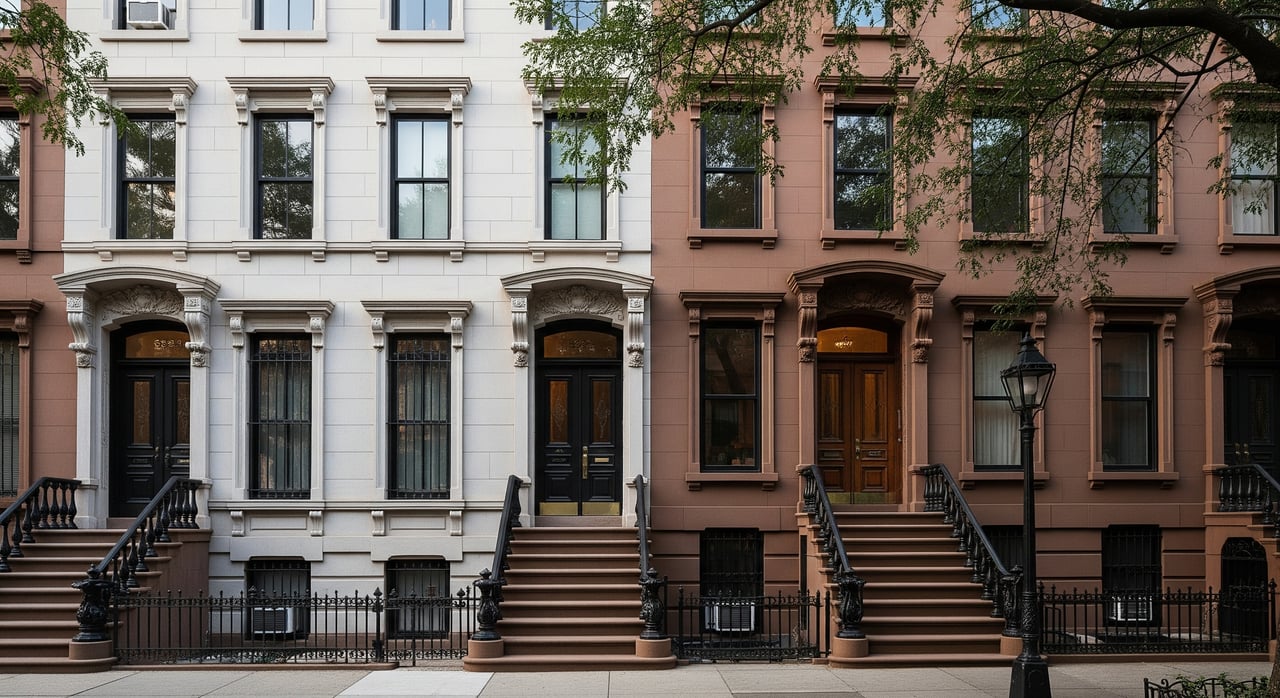
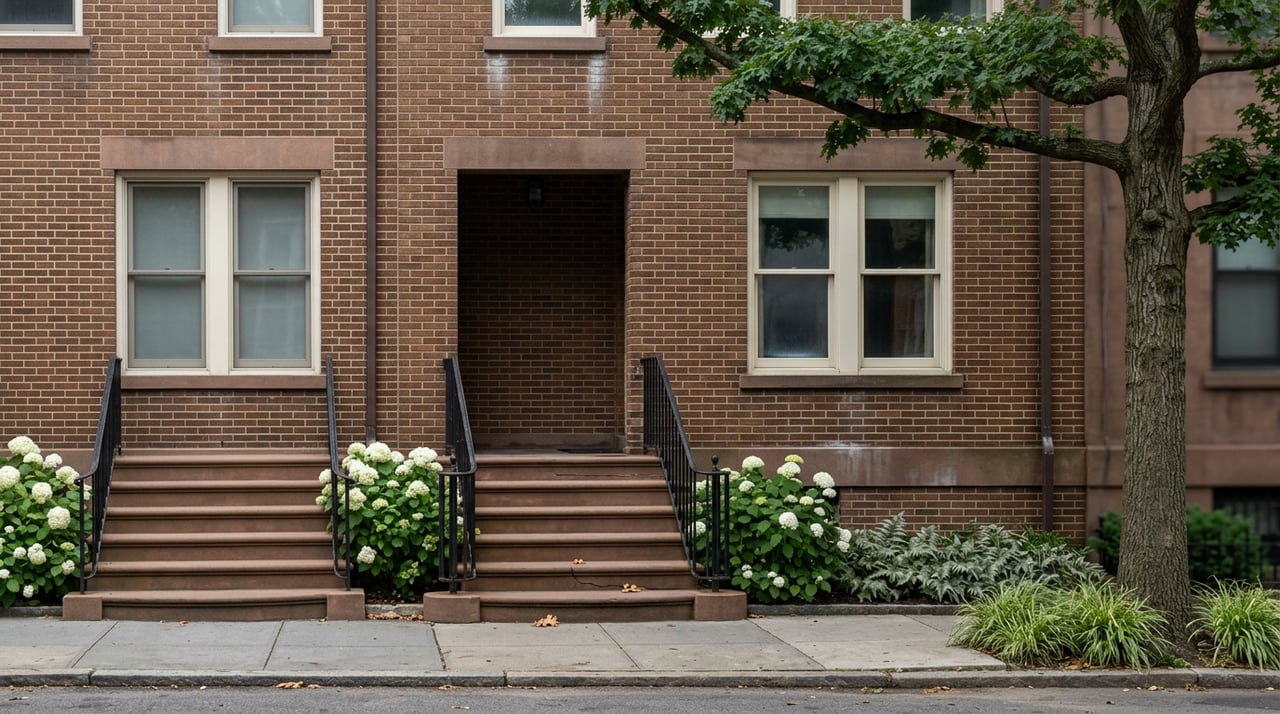
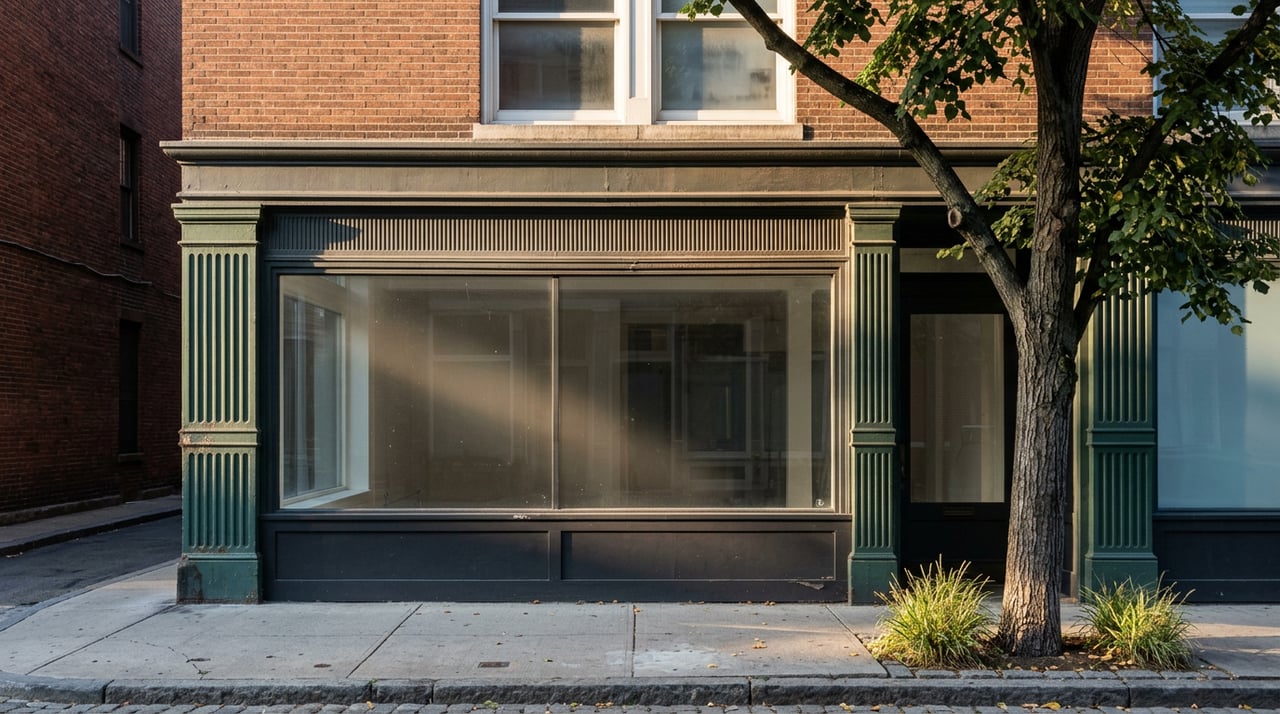
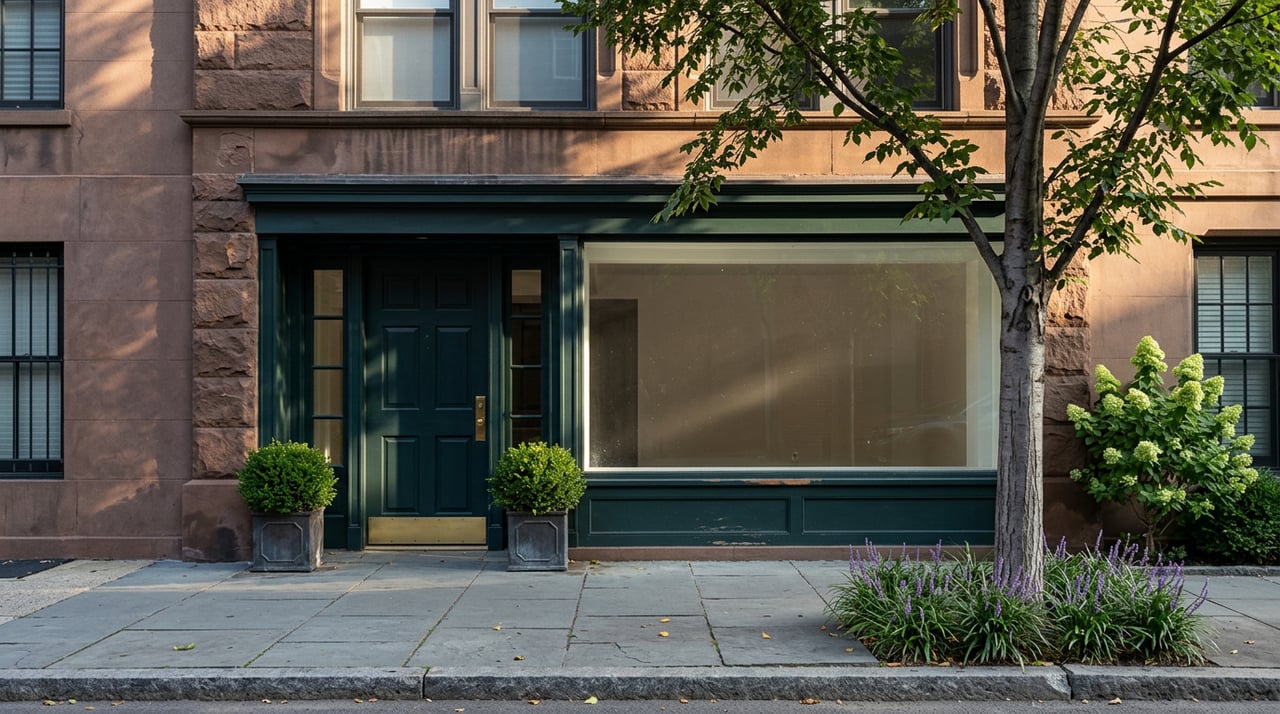
Brownstone is a type of sandstone long used on Brooklyn rowhouses. In New York usage, the word also describes homes faced with this warm, reddish to chocolate-brown stone. Classic Crown Heights brownstones often show smooth carved stoops, lintels, and cornices that develop a soft patina over time. You can read more background on the term through neighborhood resources like Brownstoner.
Limestone is a calcareous stone, typically cream, beige, or gray, with a fine, even grain and crisp carved detail. In NYC, it appears on many Beaux-Arts and Renaissance Revival facades. On Crown Heights streets, limestone often reads as lighter and a bit more formal than brownstone.
Both stones deliver a historic Brooklyn look, just with different moods. Brownstone feels warm and classic. Limestone feels light and tailored. In practice, color, tooling, weathering, and past repairs affect appearance as much as the stone type. In the landmarked parts of Crown Heights, the overall harmony of a row can make any altered facade stand out more than you expect.
Brownstone is relatively porous and softer than many other building stones. You will often see:
Conservators typically favor lime-based repointing, local stone inserts called Dutchmen, and gentle cleaning methods. National guidance such as the National Park Service Preservation Briefs outlines these approaches.
Limestone is denser but sensitive to urban pollutants and acidic conditions. You may see:
As with brownstone, careful lime-based repointing, precise patching or Dutchman work, and non-abrasive cleaning are the norm. Comparative technical advice is available from Historic England.
Some limestones, like Indiana limestone, hold up very well. Many brownstones need more frequent attention at street level and on stoops. Brownstone decay tends to look dramatic at the surface, while limestone loss can be subtler and sometimes hidden under crusts. In both cases, the quality of past repairs matters more to your long-term experience than the stone label alone.
Routine care focuses on preventing water problems and using compatible materials:
Start with a general inspector, then add specialists as needed:
Request written reports and estimates. For meaningful work, get at least three quotes from firms with historic stone experience.
Many Crown Heights blocks sit within LPC historic districts. Any exterior work visible from the street usually requires LPC approval, often a Certificate of No Effect or a Certificate of Appropriateness. Review prior approvals through LPC records so you understand what was already done. The agency’s main site explains procedures and certificates on the NYC Landmarks Preservation Commission portal.
Beyond landmarks, the NYC Department of Buildings issues permits for masonry replacement, structural repairs, and significant facade work. Your contractor or architect will file as required. Learn more at the NYC Department of Buildings. Local Law 11 facade inspections cover taller buildings, not typical townhouses, but public safety rules still apply during repairs.
For owner-friendly guidance, the Historic Districts Council offers helpful resources on working with historic facades in NYC.
Use this quick scan during tours:
Facade restoration costs vary by scope, material, and landmark constraints. Minor repointing and patching are more modest. Full stoop work or major Dutchman replacement is a larger investment. Older brownstone facades often need more frequent attention than some limestone facades. Obtain multiple quotes from contractors experienced in historic stone and LPC filings, and build a maintenance line into your long-term budget.
Authentic, well-maintained facades are prized in Crown Heights and across historic Brooklyn. They boost curb appeal and buyer confidence. Visible deterioration and mismatched patches can reduce interest. Brownstone’s reputation for higher upkeep sometimes affects offers, while a documented record of professional, permitted work tends to reassure buyers and appraisers.
Insurance carriers may factor in known facade issues, repeated water damage, or open violations. Disclose known conditions and get insurance quotes during due diligence. If you uncover unpermitted work, consider negotiating repairs, credits, or price.
Choose what fits your eye and your appetite for maintenance. If you love the warmth of brownstone, focus on examples with recent, well-documented restoration. If you prefer limestone’s light, formal look, confirm that cleaning and repointing were done with appropriate methods and materials. In both cases, prioritize condition, water management, and paperwork over the material nameplate.
If you want a grounded read on a specific Crown Heights facade, we are happy to help you line up the right inspections and weigh costs against value. Start a private consultation with Poljan Properties to shop with clarity and confidence.
Stay up to date on the latest real estate trends.
Poljan Properties was founded in 2012 with a passion to provide New Yorkers and newcomers with exceptional personalized service, advice, and uncompromised loyalty. We work tirelessly for the best outcomes for our clients and do so with the greatest integrity and kindness.