If you have fallen for Park Slope’s iconic stoops and carved stone details, you are not alone. Many buyers love the charm but are unsure what a “brownstone” really is, how these homes are built, and what it takes to own one. You want the classic look with smart due diligence, realistic upkeep, and clear guidance on permits and value.
This guide breaks down what counts as a brownstone in Park Slope, how layouts and ownership types work, what landmark rules mean for your plans, and the maintenance and inspections that matter. You will come away with a focused checklist and a confident path to next steps. Let’s dive in.
What a brownstone really is
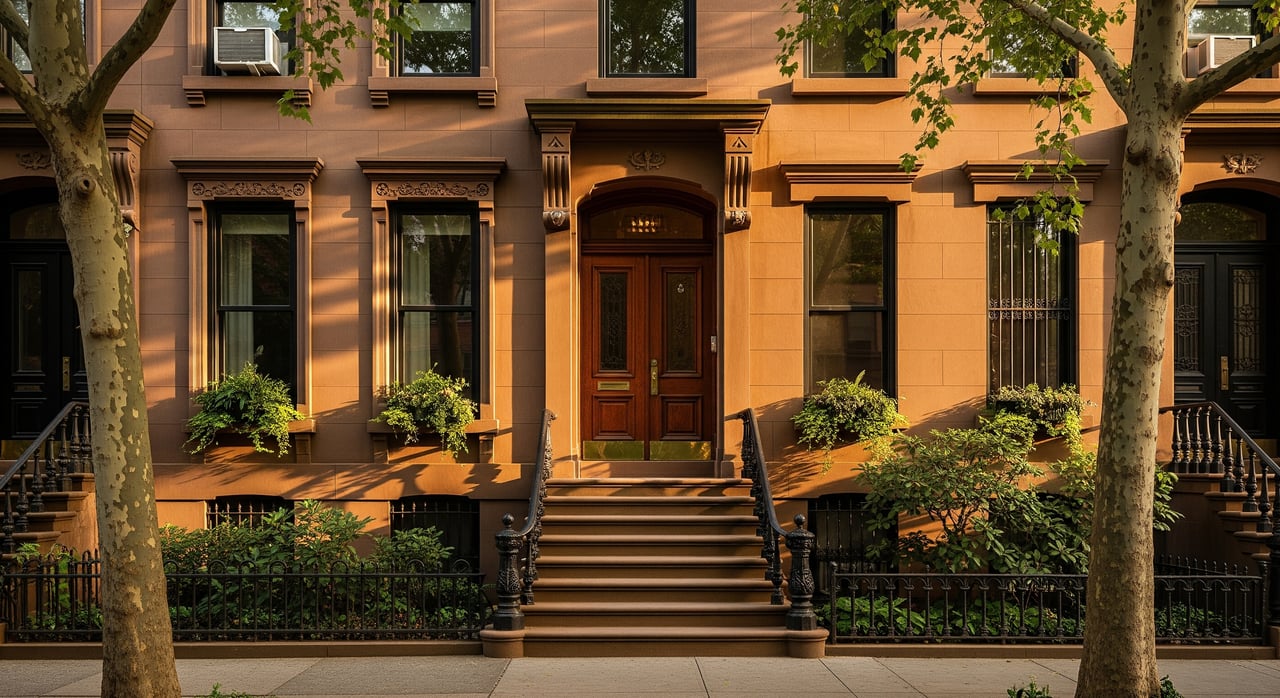
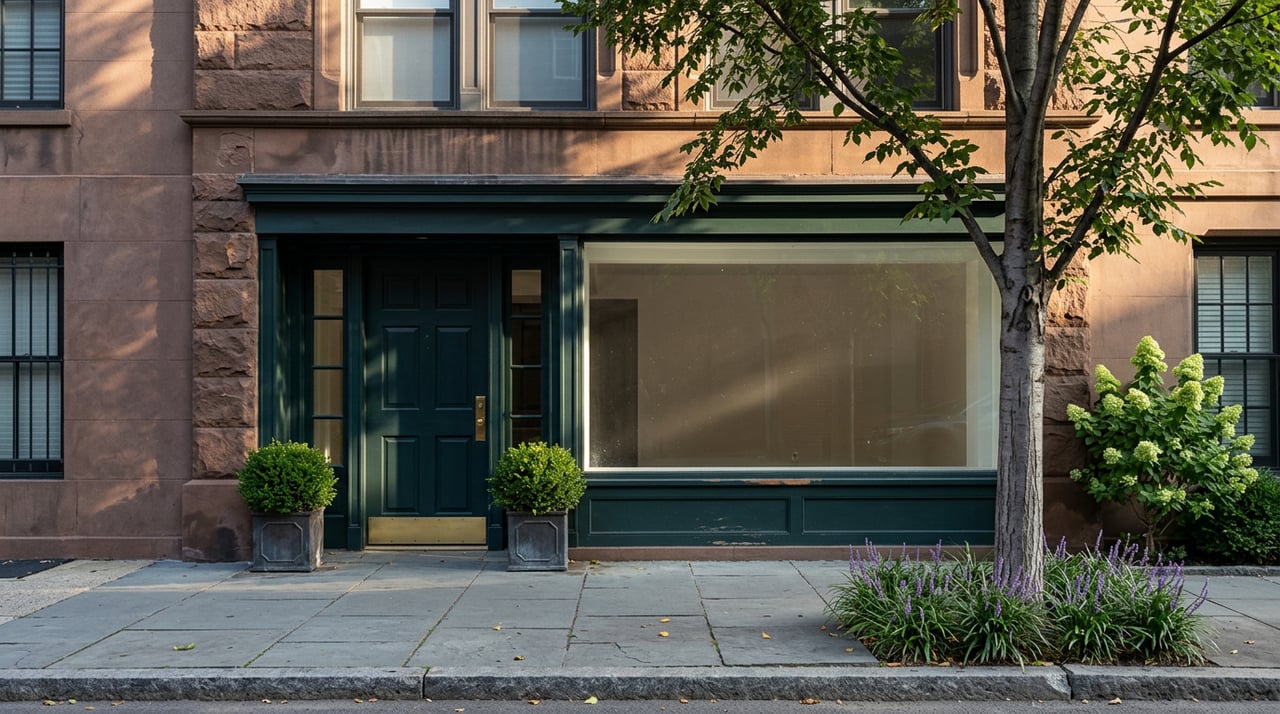
A brownstone is both a material and a style shortcut. In the most literal sense, brownstone is a brown-colored sandstone used as a facing stone on many 19th-century rowhouses. In everyday New York usage, people also use “brownstone” to describe the townhouse form you see in Park Slope, even when the façade is brick or limestone.
Material vs. form
- Material definition: True brownstone is a softer, porous sandstone that takes carved detail well.
- Vernacular meaning: In Park Slope, many homes called “brownstones” have brick or limestone façades or brick with brownstone trim. The term often refers to the overall townhouse with a raised stoop, parlor floor, and masonry façade.
- Townhouse vs. brownstone: “Townhouse” or “rowhouse” labels the building type. “Brownstone” emphasizes the historic façade and stoop expression. Both are common across the neighborhood.
Architectural styles you will notice
Park Slope’s rowhouses span mid to late 19th-century styles. You will see Italianate features like tall windows and bracketed cornices, as well as Neo-Grec, Romanesque Revival, and Queen Anne details. The classic townhouse form with a raised stoop, parlor floor, and garden level appears across these styles.
Park Slope context: blocks, history, and stock
Park Slope grew rapidly in the late 1800s, leaving a large stock of rowhouses and small apartment conversions. Many blocks still have original stoops, cornices, and cast-iron railings. Large portions of the neighborhood fall within New York City Landmarks Preservation Commission historic districts.
- Historic districts are common: If you are looking on a typical brownstone block, assume LPC jurisdiction is likely unless you confirm the address lies outside a designated district.
- Neighborhood character: Expect well-preserved rows, tree-lined streets, and a mix of restored single-family houses, multi-family buildings, and subdivided co-ops and condos.
Typical Park Slope layouts
Most homes follow a familiar floor-by-floor rhythm that makes them easy to read on tours and during inspections.
Parlor, stoop, and garden explained
- Garden or basement level: Often holds mechanicals and storage. In some conversions you will find an accessory apartment here.
- Parlor floor: The first level above the stoop, with higher ceilings, larger windows, and formal living and dining rooms.
- Upper floors: Bedrooms and baths. The top floor may have been servants’ quarters in historic layouts and is often living space today.
- Roof access: Many owners add roof access or a terrace where allowed and not publicly visible from the street.
Ownership types you will encounter
- Fee-simple single-family: You own the land and the building.
- Two- to four-family: Owner-occupied or rental arrangements are common.
- Condo or co-op conversions: Many brownstones were subdivided into separate apartments. Co-ops involve a board and a proprietary lease. Condos provide separate title to each unit.
- Zoning matters: Unit counts, potential conversions, and egress or fire-safety requirements are governed by zoning and code. Always check the NYC Zoning Map and Department of Buildings records for the specific parcel before assuming a conversion is feasible.
Landmark rules and permits
In Park Slope’s historic districts, exterior work usually needs approvals. Understanding this early helps you set expectations for timing and scope.
What LPC reviews
- Visible exterior changes: Stoop work, window replacements visible from the street, façade cleaning that affects appearance, cornice repairs, and any rooftop bulkhead that can be seen from the public way typically require LPC approval.
- Interior work: Interiors are not generally regulated by LPC. However, projects that affect the exterior or structure will still need DOB permits, and coordination with LPC may add time and design guidance.
Planning your project timeline
- Build in extra time for historic review when budgeting and scheduling exterior repairs or additions.
- Start with an architect who has experience in historic masonry and LPC filings. Early consults help you avoid redesigns and delays.
Materials and maintenance basics
Not all façades are equal. Natural brownstone is beautiful but softer and more porous than brick or limestone. That means a specific approach to repairs.
Brownstone deteriorations to watch
- Spalling or powdering: Surface loss that leaves a gritty feel or visible pitting.
- Delamination: A harder surface crust separates from softer stone beneath.
- Rising damp and staining: Often near the base of façades or below sills.
- Incompatible patches: Hard cement repairs can trap moisture and accelerate stone decay.
Best practice favors compatible, breathable materials. Lime-based mortars, careful removal of hard cement patches, and expert stone repairs like dutchman inserts are common methods. Specialist preservation contractors and conservators are often needed for significant façade work.
When the façade is brick
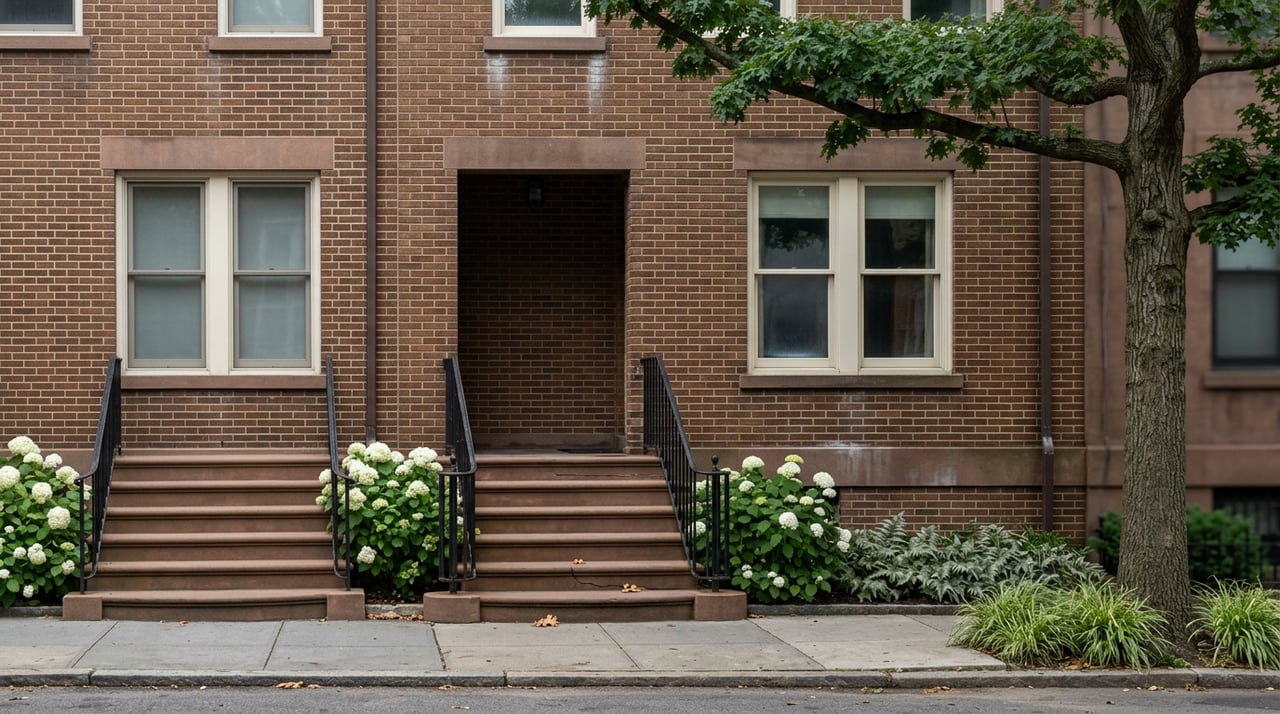
Brick façades are generally more durable but still require attention to mortar compatibility, cracked lintels, cornice conditions, and flashing. If the building has brownstone trim on a brick front, those stone elements are often the most at risk.
Routine townhouse maintenance
- Stoops and steps: Check for settlement, cracks, and rust at railings and supports.
- Cornices and roof flashings: These are frequent sources of leaks and should be inspected regularly.
- Basement and cellar: Look for water infiltration, drainage issues, and foundation cracks.
- Historic windows and energy: Original wood sash add character but may be less efficient. In landmark districts, replacements visible from the street generally need LPC approval. Interior insulation and mechanical upgrades can improve comfort and costs.
- Mechanical and electrical systems: Be alert to older wiring like knob-and-tube, cast-iron plumbing, and outdated heating equipment.
Permits and owner responsibilities
- DOB permits: Structural, electrical, plumbing, and major façade work require filings with the Department of Buildings.
- LPC plus DOB: Exterior work in historic districts typically needs both LPC approval and a DOB permit.
- Sidewalks and tree pits: Owners are responsible for adjacent sidewalks and tree pits. Unaddressed defects can lead to violations.
Buyer due diligence: what to review
A clear checklist saves time, money, and surprises. Confirm the basics before you fall in love with the millwork.
Records and legal status
- Title and ownership: Verify fee-simple vs. condo or co-op. For condos and co-ops, review bylaws, house rules, and assessments.
- Certificate of Occupancy and legal units: Match the C of O to the actual use. Confirm unit counts through DOB and HPD records. Avoid illegal conversions that complicate financing and resale.
- DOB and LPC histories: Pull violations, past job filings, and any LPC permits or rulings. Unpermitted work can force remediation.
Inspections and environmental checks
- General home inspection: Hire a licensed inspector familiar with rowhouses.
- Structural engineering: Assess party walls, joists, and foundations for movement, bowing, or sagging.
- Masonry and stone evaluation: Identify façade conditions and incompatible patches.
- Hazards: Expect lead-based paint disclosures for pre-1978 structures and check for asbestos, mold, or knob-and-tube wiring.
- Mechanical systems and efficiency: Note the age and condition of boilers, hot water heaters, HVAC, and insulation.
Red flags worth a deeper look
- Extensive hard cement patches on a brownstone façade.
- Vertical cracks or bowing in party walls or the front façade.
- Persistent water intrusion in basements or upper walls.
- Sagging floors or exposed structural elements without permits.
- Multiple active DOB violations, especially structural or fire safety items.
What drives value in Park Slope
Presentation and authenticity matter, but function and approvals also drive price and buyer confidence.
Curb appeal and authenticity
Homes with well-kept façades, intact stoops, and appropriately maintained windows tend to show and sell better. Original details like parquet floors, moldings, and fireplaces are highly valued. Sympathetic restorations that retain or restore these features often command a premium over heavy modernizations that stripped character.
Functional, livable upgrades
Modern kitchens and baths, efficient mechanicals, and thoughtful floor plans improve day-to-day living. Rear-yard and rooftop amenities can be selling features, subject to visibility and permitting. Buyers also respond to homes with a clear, documented path for future improvements, especially where prior LPC approvals establish precedent.
Financing and insurance notes
Lenders may ask for specific inspections and can require key repairs before closing. Older buildings with knob-and-tube wiring, structural questions, or limited fire safety may be harder or more expensive to insure. Historic tax incentives generally apply to income-producing properties that meet federal criteria, not owner-occupied single-family homes. Discuss any incentive plans with a tax professional.
First steps and smart resources
If you are early in your search, a focused plan will help you move quickly when the right house appears.
- Identify your favorite blocks and confirm if they sit within an LPC historic district via LPC maps.
- Pull DOB records and Department of Finance property tax data for addresses you are considering. Review violations, job filings, and recent tax history.
- Line up your inspection team in advance: a general home inspector, a structural engineer, and a masonry or stone specialist if the façade shows distress.
- If you are considering a conversion, rooftop work, or a rear-yard addition, consult an architect experienced with LPC and DOB filings early.
- Get rough contractor or architect estimates for façade, roof, and mechanical work before finalizing offer contingencies.
Bottom line for Park Slope buyers
In Park Slope, “brownstone” is both a treasured aesthetic and a specific building type with real-world implications. If you understand what the term covers, how landmark rules shape your options, and where maintenance and inspections matter most, you can buy with confidence. With the right team, you can protect the character you love while planning smart upgrades that fit your life and your budget.
Ready to talk through a specific property or build a step-by-step plan for your search? Start a private consultation with Poljan Properties to explore Park Slope brownstones with clarity, discretion, and a practical game plan.
FAQs
What makes a Park Slope home a true “brownstone”?
- In the strict sense, the façade is clad in brown-colored sandstone. In common usage, many Park Slope rowhouses with stoops and masonry façades are called brownstones even if the front is brick or limestone.
How do landmark rules affect exterior renovations in Park Slope?
- In designated historic districts, visible exterior work such as stoop repairs, window replacements, façade treatments, cornice projects, and visible rooftop bulkheads typically require LPC approval and DOB permits.
What inspections should I order before buying a brownstone?
- Hire a licensed home inspector, a structural engineer familiar with rowhouses, and a masonry or stone specialist if needed. Check for hazards like lead paint, asbestos, and outdated wiring.
Are brownstones harder to maintain than brick townhouses?
- Natural brownstone is softer and more porous, so incompatible repairs can cause damage. Brick is often more durable, but both require proper mortar, flashing, and routine attention.
Can I convert a two-family Park Slope townhouse to a single-family?
- Possibly, but conversion depends on zoning, legal unit counts, and code requirements for egress and fire safety. Review DOB records and consult an architect before assuming feasibility.
What features most influence resale value in Park Slope brownstones?
- Strong curb appeal, preserved original details, documented maintenance, efficient mechanicals, and clear precedents for permitted improvements tend to drive higher demand and pricing.