
SoHo Loft Living Guide for Savvy New York Buyers
November 21, 2025
November 21, 2025
Love the soaring ceilings and wall-to-wall windows you see in SoHo lofts, but wonder what’s behind the look? You’re not alone. These spaces are stunning, yet the best purchases happen when you understand the building’s history, legal status, and the practical details that come with 19th-century structures. In this guide, you’ll learn how to evaluate light, systems, landmark rules, ownership types, financing and the exact documents you should review before you make an offer. Let’s dive in.
SoHo is the area south of Houston Street known for historic cast-iron buildings and open, light-filled residences. The core blocks generally run from Houston to Canal and roughly from Lafayette/Crosby to Sixth Avenue and West Broadway. Exact boundaries can vary by source, so always confirm the specific block in a listing.
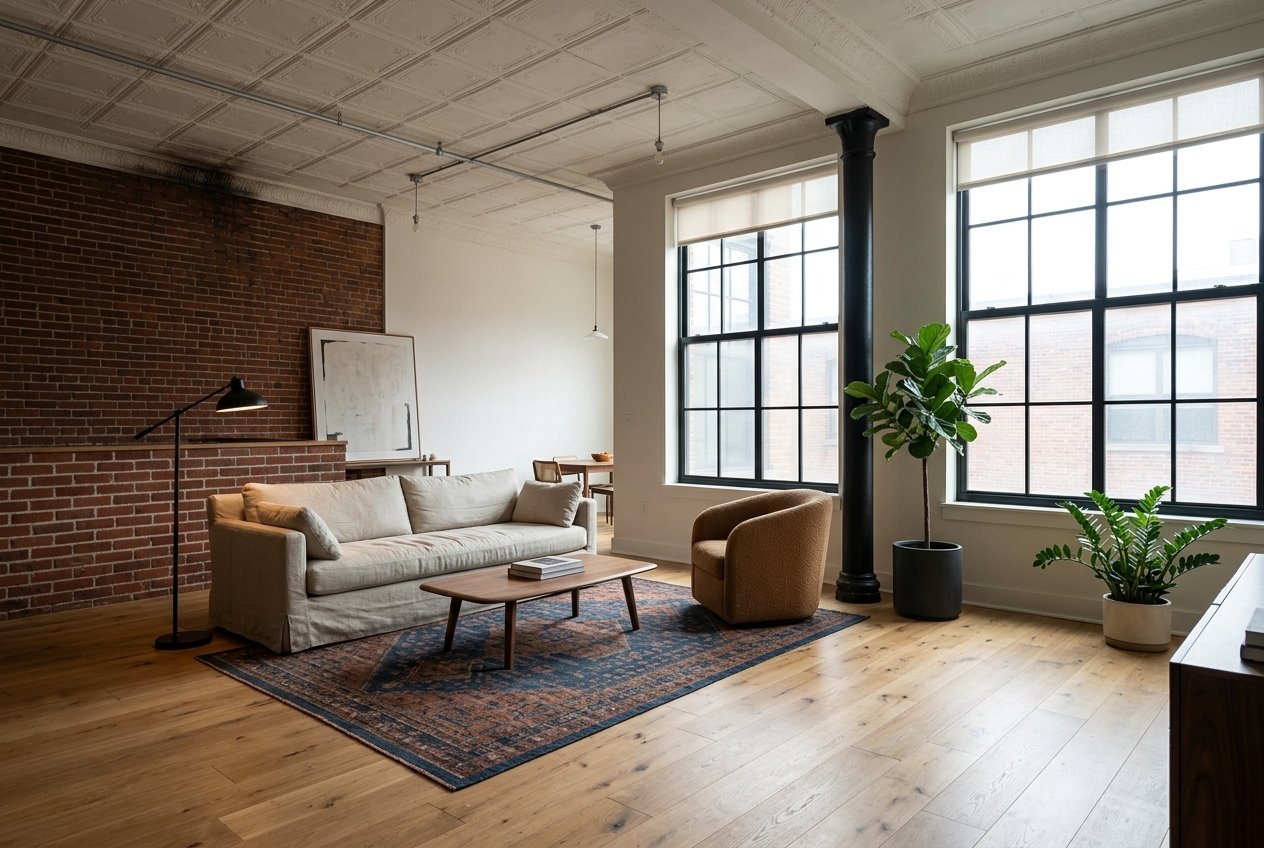
Most lofts started as commercial or industrial floors that were converted to residential use over time. Typical features include high ceilings, large steel-frame windows, open floor plans, exposed columns or beams, and often brick walls and wide-plank floors. Service or freight elevators are common, and some windows may be oversized or non-standard compared to typical apartments.
Big windows are a hallmark of SoHo, but not every loft gets the same daylight. In dense blocks, neighboring buildings, internal light wells, and street width can limit direct sun. South, east, and west exposures tend to get more direct light, while north-facing windows often provide softer, even daylight throughout the day.
To understand true light quality, visit the loft at different times and ask for photo timestamps. If natural light matters for work or display, bring a light meter or check conditions during your typical daytime hours. Small details, like reflective neighboring facades or street trees, can change the feel.
The most important SoHo loft question is simple: is the unit legally residential? The answer lives in the building’s Certificate of Occupancy, often called the C of O.
Make the C of O part of your earliest diligence. Your attorney should confirm the unit’s legal status, and you should understand any steps needed to bring a space into compliance if records are incomplete.
Large parts of SoHo sit inside the Cast-Iron Historic District. That means the Landmarks Preservation Commission governs visible exterior changes. If you dream of replacing windows, adding a balcony, or altering a storefront, plan for review and approval.
Interior work typically does not require Landmarks approval unless a specific interior is landmarked, but all interior renovations must still satisfy building rules and city codes. Expect to coordinate with building management, file permits, and account for fire protection and egress requirements in any plan.
Industrial bones give SoHo lofts their drama and also their complexity. Look closely at:
If you plan changes like an open kitchen, new bathrooms, or central air, bring an architect or engineer to your first visits. Early expert input helps avoid surprises.
You’ll see both condominiums and co-ops in SoHo’s core, and occasionally other structures like tenancy-in-common in smaller buildings.
Compare monthly costs carefully. Co-op maintenance can include portions of an underlying mortgage, taxes, staff, and utilities. Condos separate common charges and property taxes. Either way, ask about reserves, recent assessments, and upcoming capital projects.
Lenders generally prefer straightforward condo deals, and they look closely at legal use and building health. Non-standard layouts or unclear C of O status can narrow your lender options.
Co-ops add time for board approval and can impose financial requirements. Budget for several weeks to a few months from contract to closing depending on your package completeness and board schedules. Condos typically move faster, though each building has its own process.
Before you make a serious offer, request and review:
During inspections, prioritize:
If you want to add walls, shift a kitchen, or install central air, expect layered approvals. You will need building management approval and Department of Buildings permits. If your plan touches the exterior or visible windows in a landmarked area, Landmarks review applies. Timelines and costs vary by scope.
Ask your team to confirm:
SoHo lofts are prized by creatives for good reason. To get the most from the space:
When you list or document the space, plan your shoot around window orientation and time of day. Minimal clutter and clean sightlines help show volume. Include a clear floor plan so viewers can understand scale.
Open plans and large windows can bring city sound and reduce privacy. Test the unit at different times. Layer soft finishes like rugs and curtains, and consider acoustic treatments where needed. Smart window treatments, especially sheers or motorized shades, can balance light, reduce glare, and improve thermal comfort without hiding the architecture.
When you’re torn between two great spaces, use a simple side-by-side check:
Buyers of SoHo lofts are highly visual. Before you list, resolve visible maintenance items, clean windows, and define zones with neutral, design-forward staging. Share accurate dimensions and a quality floor plan. If paperwork has gaps, like missing permits for an old alteration, disclose early and work with your team to address questions so you don’t lose momentum once a buyer engages.
A SoHo loft can be an incredible home and a smart long-term hold if you buy with your eyes open. Confirm legal status, understand landmark and building rules, and bring the right professionals into the process early. You’ll protect your timeline, your budget, and the character that drew you to SoHo in the first place.
If you want clear guidance through the search, due diligence, and presentation of a SoHo loft, connect with our boutique team at Poljan Properties. We combine careful education with design-forward marketing and a private, client-first process.
Stay up to date on the latest real estate trends.
Poljan Properties was founded in 2012 with a passion to provide New Yorkers and newcomers with exceptional personalized service, advice, and uncompromised loyalty. We work tirelessly for the best outcomes for our clients and do so with the greatest integrity and kindness.